

Q I am a nurse in my 30s. Since the accident, my neck feels stiffer when I wake up. What should I do regarding my pillow or sleeping position?
A It is best to sleep facing the ceiling with a low pillow that supports the natural curve of the neck. Sleeping on your stomach is the most harmful position because the neck is fixed in a bent position to one side. When sleeping on your side, reinforce the pillow to shoulder height to ensure your neck remains straight.
Detailed Answer
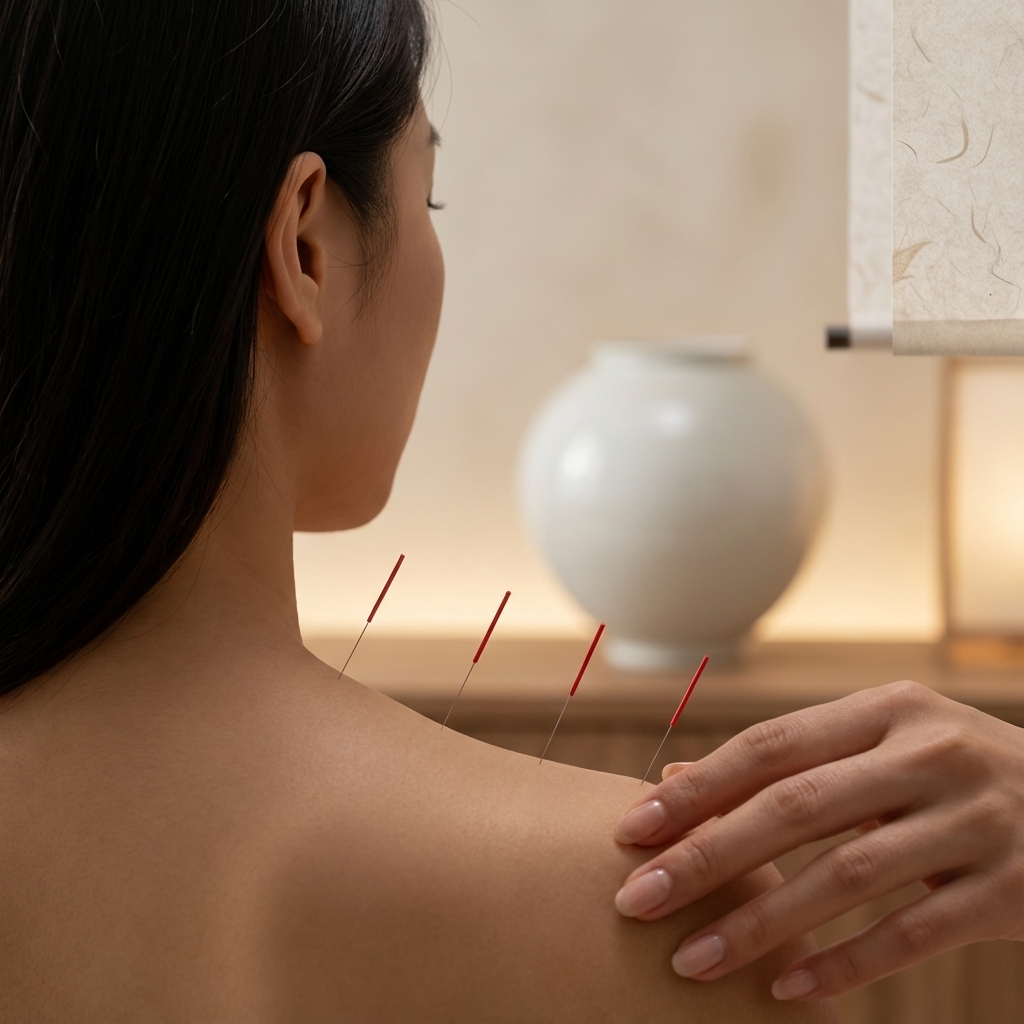
Since the same position is maintained for 6 to 8 hours during sleep, if the pillow height is incorrect, continuous stress is placed on the damaged cervical spine tissue, leading to severe morning stiffness. When lying on your back, you need a pillow about 6 to 8 cm high to support the neck curve, and when lying on your side, a higher pillow to compensate for shoulder width is required. Lying face down is the most harmful position for whiplash patients because the cervical spine remains fixed in a rotated state for a long time. Applying a warm compress for 10 to 15 minutes before bed helps reduce muscle tension and improve sleep quality. From the perspective of a Korean medicine clinic, night is considered the time when blood returns to the liver to strengthen muscles; based on the principle that the liver governs the recovery of muscles and ligaments, sleep is the golden time for ligament and muscle recovery. If your neck stiffens further in bed, it means that damage is accumulating during the recovery period, so it must be corrected. Furthermore, since Yang energy enters inward during sleep and the body's surface defenses loosen, directing air from an air conditioner or fan onto the neck allows cold wind and moisture to invade weakened meridians, exacerbating morning stiffness. For those with irregular sleep patterns due to shift work, the rhythm of Qi and blood recovery is easily disrupted. At Dongjedang, we help make sleep a time for healing by combining internal treatment—which involves loosening stiff muscles with acupuncture and pharmacopuncture—with herbal medicine tailored to your constitution to clear blood stasis and simultaneously improve sleep quality and recovery.
Related FAQs
-
Q
I am a job seeker in my 20s. It has been three months since the accident, and I am anxious because there are many posts online saying that it lasts a lifetime. Is it really possible to fully recover?
#Possibility / Realistic Goals
-
Q
I am a logistics center employee in my 30s. I even had an MRI after the accident, and while it says there are no abnormalities, the pain persists. Is treatment possible even though the test results are normal?
#Possibility / Realistic Goals
-
Q
I am an elementary school teacher in my 40s. After the accident, I developed not only neck pain but also shoulder stiffness, numbness in my arms, and occasional tinnitus. Do I need to visit separate hospitals for each condition, or is it originating from my neck?
#Comorbidities
-
Q
I am a bus driver in my 50s. I have been wearing a neck brace since an accident, but is it better to keep wearing it? I am not sure how long I need to wear it.
#Lifestyle Management
-
Q
I am a woman in my 60s. I have osteoporosis; is it safe to receive Chuna manual therapy or moxibustion for neck treatment after an accident? I am scared by the talk of my neck being "broken."
#Safety