
Q I am a housewife in my 40s. I suffered from tennis elbow last year and recovered, but recently the same spot has started hurting again. Is it normal for tennis elbow to recur this frequently?
A Yes, tennis elbow is a condition where recurrence is common. Even if the pain disappears, if tendon degeneration and weakening remain, it is easy to experience pain again when the same usage pattern is repeated. To prevent recurrence, it is necessary to continue tendon-strengthening exercises even after pain subsides and to implement fundamental management to create a body condition that allows the tendons to recover properly.
Detailed Answer
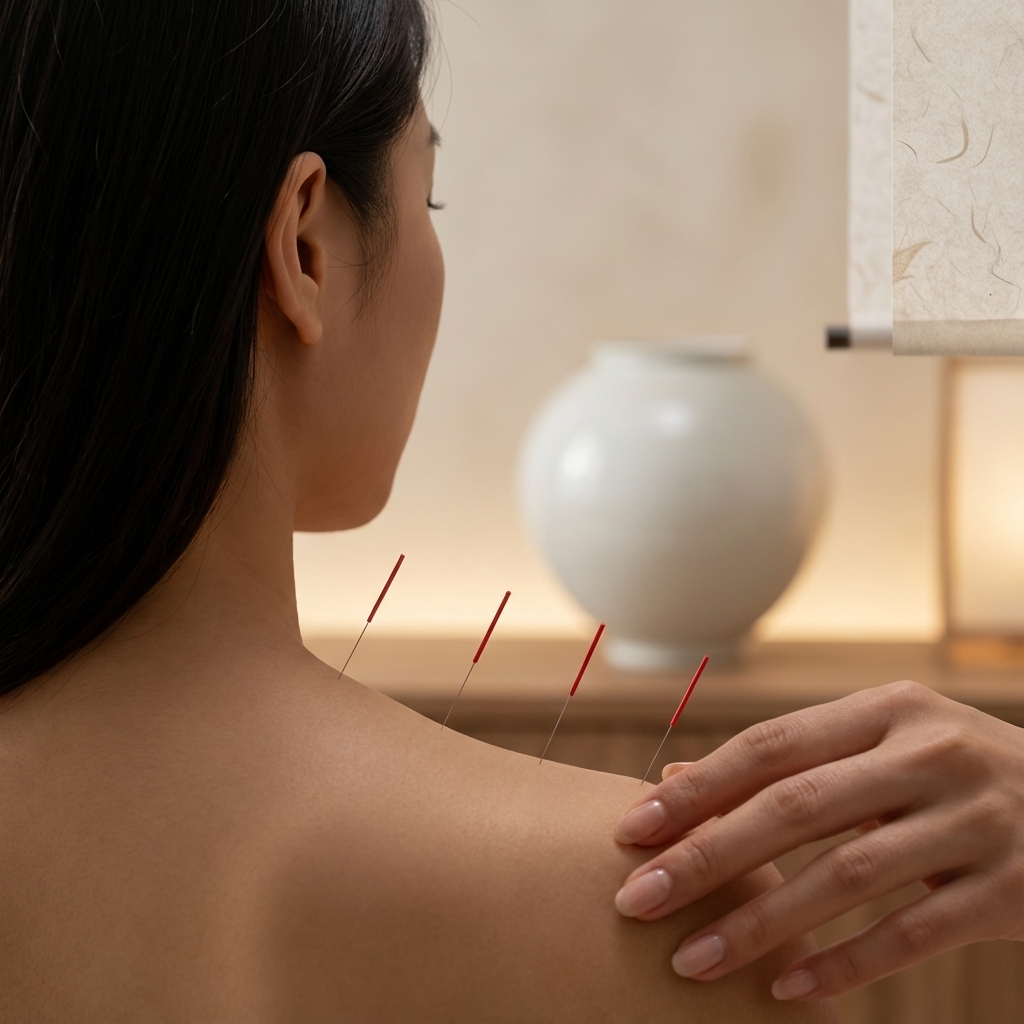
While the recurrence rate of tennis elbow varies depending on the report, it is well known that studies show a high recurrence rate within one year, particularly in cases where only the pain was quickly relieved with steroid injections. This is because pain relief and tendon recovery are different issues. It takes several months for a degenerated tendon to reform into a normal structure, and if you return to your original usage pattern before then, the weakened area will be damaged again. The key to preventing recurrence is to continue eccentric strengthening exercises for extensor muscles for at least 8 to 12 weeks even after the pain subsides, and to maintain habit correction regarding triggering movements (twisting, lifting the back of the hand). In Korean medicine, recurrence is viewed as occurring when only the outwardly manifested symptoms are treated while the root cause is left untreated. If elbow pain is an outwardly manifested symptom, the root cause is a body unable to nourish tendons—that is, a state where blood and energy are insufficient to provide nourishment to the tendons—and stagnant blood remaining at the site of injury. Pain returning to the same spot as last year is a signal that the tendon in that area remains weak and the body's recovery capacity is unchanged. At Dongjedang, we clearly distinguish between two approaches, especially in cases of recurrence. Externally, we use ultrasound to identify remaining degeneration and adhesions, clear them away with fine acupuncture tools, and elevate regeneration to the next level through procedures involving the insertion of warm-stimulating needles and threads. Internally, we cleanse accumulated waste and stagnant blood, establishing the foundation for generating vital energy and blood using herbal medicine tailored to your constitution. Treating only the localized area will result in the same spot hurting again, but by restoring the circulation of vital energy and blood along with the function of internal organs, you will become physically resilient enough to withstand the same household chores.
Related FAQs
-
Q
I am a self-employed man in my 50s. The orthopedic clinic even mentioned surgery, but is there really a possibility of recovery through Korean medicine treatment without surgery?
#Possibility / Realistic Goals
-
Q
I am a woman in my 40s who runs a small workshop in Dong-gu, Incheon. I have received steroid injections three times, but the effect is only temporary and the condition keeps recurring. Can this case also be improved with Korean traditional medicine treatment?
#Possibility / Realistic Goals
-
Q
I am a male developer in my 40s. I was diagnosed with tennis elbow, but my neck and shoulders are also constantly stiff. Are they related, or did they develop separately?
#Comorbidities
-
Q
I am a male office worker in my 50s. Please tell me about stretches or exercises that are good for tennis elbow. Something I can do at home every day.
#Lifestyle Management
-
Q
I am a woman in my 30s who runs a cafe. Is ice packs or hot packs better for tennis elbow? I am confused because the information on the internet is inconsistent.
#Lifestyle Management