
Q I am a woman in my 30s who runs a cafe. Is ice packs or hot packs better for tennis elbow? I am confused because the information on the internet is inconsistent.
A The basic principle is to use ice packs for the first 2-3 days immediately after injury or during the acute phase when pain suddenly intensifies, and then switch to hot packs in the subsequent chronic phase. Since chronic tennis elbow is caused by a lack of blood flow rather than inflammation, warming the skin to aid blood circulation is more beneficial for recovery. You may choose whichever method is more comfortable for you based on your pain pattern.
Detailed Answer
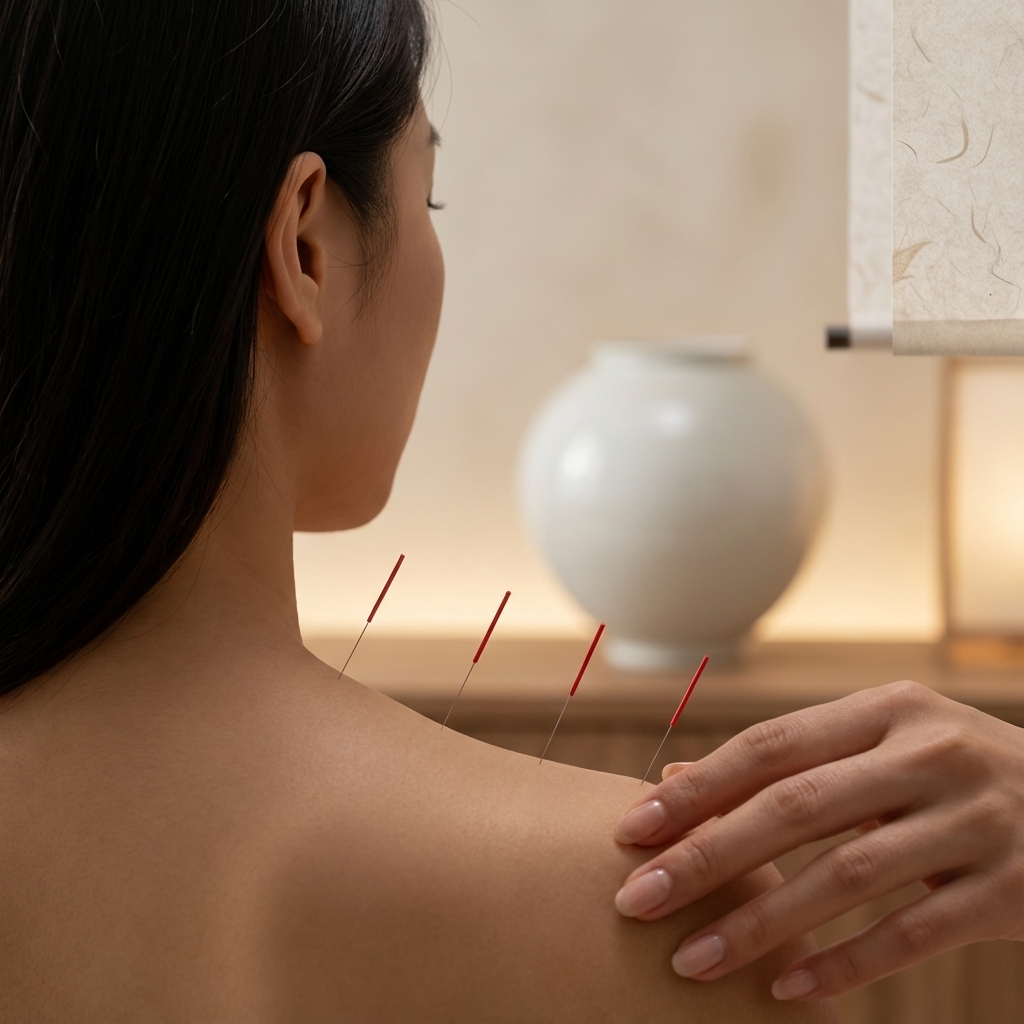
The principles of hot and cold therapy vary depending on the stage. Immediately after an acute injury or during the burning and swelling phase after use, ice packs (15-20 minutes, wrapped in a towel) help reduce pain and swelling. However, since the essence of chronic tennis elbow is tendon degeneration and a lack of blood flow rather than inflammation, hot packs improve the recovery environment by increasing blood flow at this stage. You can also combine them by warming the tissues with a hot pack before work and briefly applying a cold pack in the evening when pain flares up after heavy use. In either case, you must remember that hot compresses are a supplementary measure and cannot regenerate degenerated tendons on their own. From the perspective of a Korean medicine clinic, this is viewed through the lens of distinguishing between cold and hot natures. The principle is to treat swelling and burning sensations with cold, as they are in a state of heat, and to treat aching, heavy sensations that feel comfortable with warmth with heat, as they are in a cold state. Many patients with chronic tennis elbow show signs of energy and blood pooling in one spot due to the infiltration of cold and dampness, so they often feel better when warmed. For those with occupations that involve frequently handling cold water and ice, such as working in a café, keeping warm is even more important as cold energy tends to accumulate in the wrist and elbow areas. At Dongjedang, for chronic cases characterized by a cold tendency, we utilize acupuncture that elevates warm stimulation to the therapeutic level to dissipate deep-seated coldness and promote regeneration. Internally, we use constitutionally tailored herbal medicine that empties waste and excess fluid while supporting warm energy, thereby building a body where hands, feet, and joints do not easily become cold. While hot compresses are a small treatment performed at home, the treatment in the clinic involves deeply applying those principles.
Related FAQs
-
Q
I am a self-employed man in my 50s. The orthopedic clinic even mentioned surgery, but is there really a possibility of recovery through Korean medicine treatment without surgery?
#Possibility / Realistic Goals
-
Q
I am a woman in my 40s who runs a small workshop in Dong-gu, Incheon. I have received steroid injections three times, but the effect is only temporary and the condition keeps recurring. Can this case also be improved with Korean traditional medicine treatment?
#Possibility / Realistic Goals
-
Q
I am a male developer in my 40s. I was diagnosed with tennis elbow, but my neck and shoulders are also constantly stiff. Are they related, or did they develop separately?
#Comorbidities
-
Q
I am a male office worker in my 50s. Please tell me about stretches or exercises that are good for tennis elbow. Something I can do at home every day.
#Lifestyle Management
-
Q
I am a woman in my 50s. I was recommended moxibustion treatment for tennis elbow, but I am scared because I heard the needles are thicker than regular needles. Is it safe? Are there any side effects?
#Safety