
Q I am a woman in my 40s who runs a small workshop in Dong-gu, Incheon. I have received steroid injections three times, but the effect is only temporary and the condition keeps recurring. Can this case also be improved with Korean traditional medicine treatment?
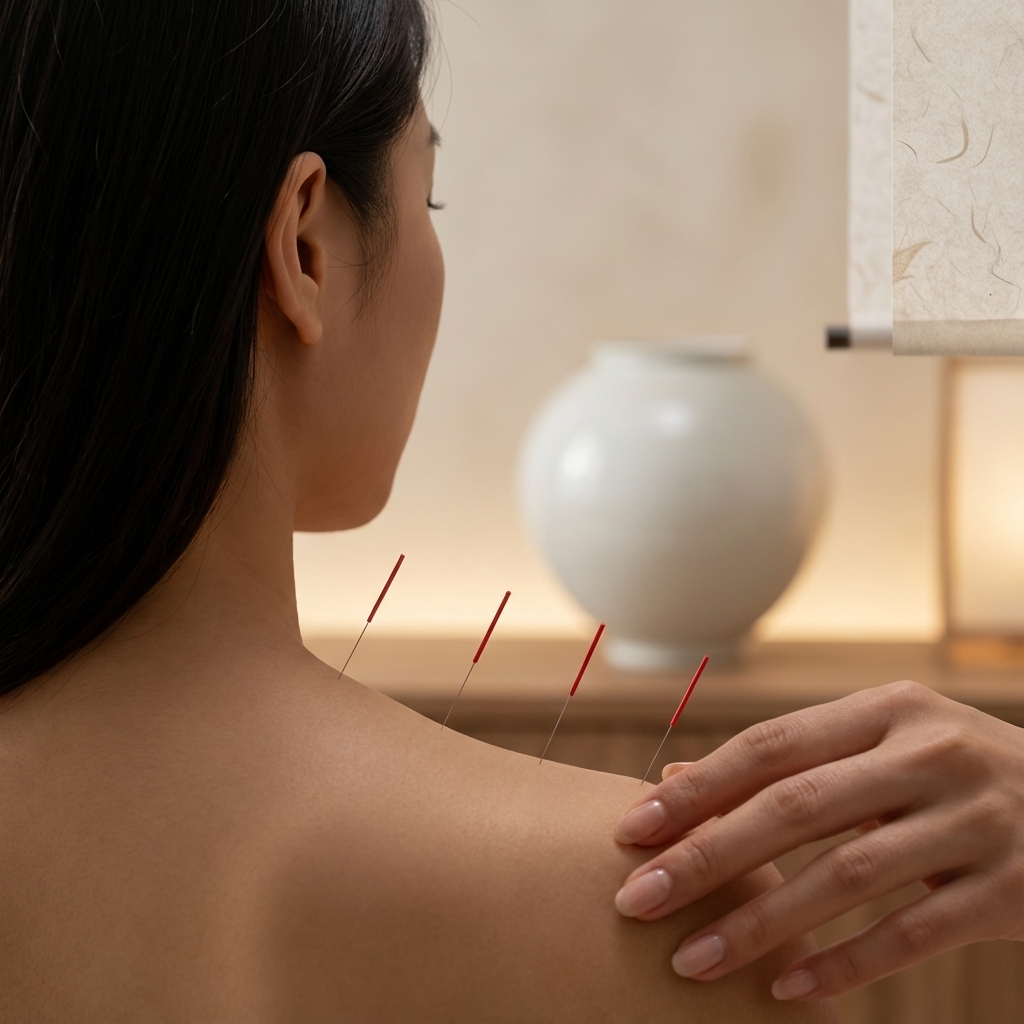
A Yes, in fact, when the response to steroid injections is short-lived, it is precisely the time to switch to regenerative-focused treatment. While steroids quickly reduce pain, they do not aid in tendon regeneration, and repeated injections can further weaken the tendons. Approaches that induce the recovery of the tendons themselves, such as moxibustion, fire acupuncture, and thread embedding, are suitable for people like this.
Detailed Answer
While steroid injections are effective for short-term pain relief, long-term follow-up studies have repeatedly reported that the results after one year are actually worse than those of the group that did not receive injections, and the recurrence rate is higher. This is because steroids inhibit not only inflammation but also collagen synthesis, hindering tendon regeneration, and repeated injections can increase the risk of tendon weakening and rupture. If the condition recurs even after three injections, shifting the strategy toward treatments aimed at regenerating tendon tissue (such as eccentric exercises or regenerative stimulation procedures) rather than repeating the same method aligns with international recommendations. From the perspective of Korean medicine, recurrence following repeated steroid treatment is a natural outcome. This is because while the external symptom of pain has been suppressed, the underlying root cause—the body's inability to regenerate tendons—and the stagnant blood and adhesions at the site of injury remain unchanged. Individuals who use their hands repetitively and precisely, such as in workshops, experience significant depletion of energy and blood along the pathway extending from the outer arm to the shoulder and neck; often, this creates an underlying condition where the tendons fail to receive proper nourishment due to a blood deficiency. At Dongjedang, we approach these patients by changing the treatment sequence. We first use ultrasound to assess the extent of tendon degeneration and weakening following repeated injections. External treatment involves clearing adhesions with fine acupuncture tools and inserting warm-stimulating needles and threads to induce a regenerative response, while internal treatment focuses on clearing accumulated stagnant blood and waste products, and replenishing blood and energy with herbal medicine tailored to the patient's constitution to build a body capable of regenerating tendons. By shifting the focus from pain relief to tissue reconstruction, temporary improvement can be transformed into sustained recovery.
Related FAQs
-
Q
I am a self-employed man in my 50s. The orthopedic clinic even mentioned surgery, but is there really a possibility of recovery through Korean medicine treatment without surgery?
#Possibility / Realistic Goals
-
Q
I am a male developer in my 40s. I was diagnosed with tennis elbow, but my neck and shoulders are also constantly stiff. Are they related, or did they develop separately?
#Comorbidities
-
Q
I am a male office worker in my 50s. Please tell me about stretches or exercises that are good for tennis elbow. Something I can do at home every day.
#Lifestyle Management
-
Q
I am a woman in my 30s who runs a cafe. Is ice packs or hot packs better for tennis elbow? I am confused because the information on the internet is inconsistent.
#Lifestyle Management
-
Q
I am a woman in my 50s. I was recommended moxibustion treatment for tennis elbow, but I am scared because I heard the needles are thicker than regular needles. Is it safe? Are there any side effects?
#Safety