
This service is only for foreign residents in Korea. Overseas residents are not eligible.
EN

English consultation available — No language barrier

Tennis Elbow

Tennis Elbow

Aching pain on the outer side of the elbow and pain at the extension tendon attachment site that worsens when lifting objects

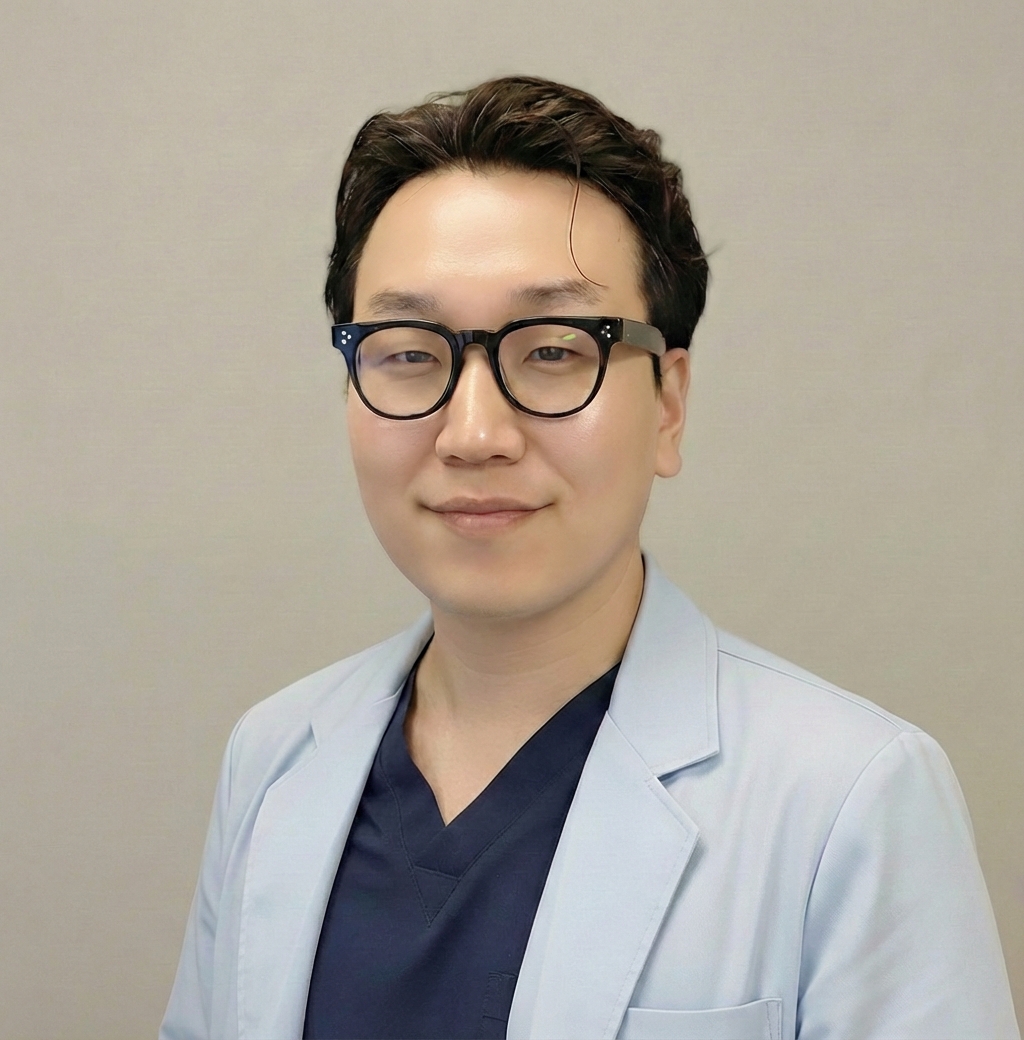
Jang-Hyuk Choi, KMD
의료 감수Jang-Hyuk Choi, KMDHead Doctor
Jang-Hyuk Choi, KMD
Medically Reviewed
동제당한의원·Jang-Hyuk Choi, KMDHead Doctor
#Safety

Q I am a woman in my 50s. I was recommended moxibustion treatment for tennis elbow, but I am scared because I heard the needles are thicker than regular needles. Is it safe? Are there any side effects?

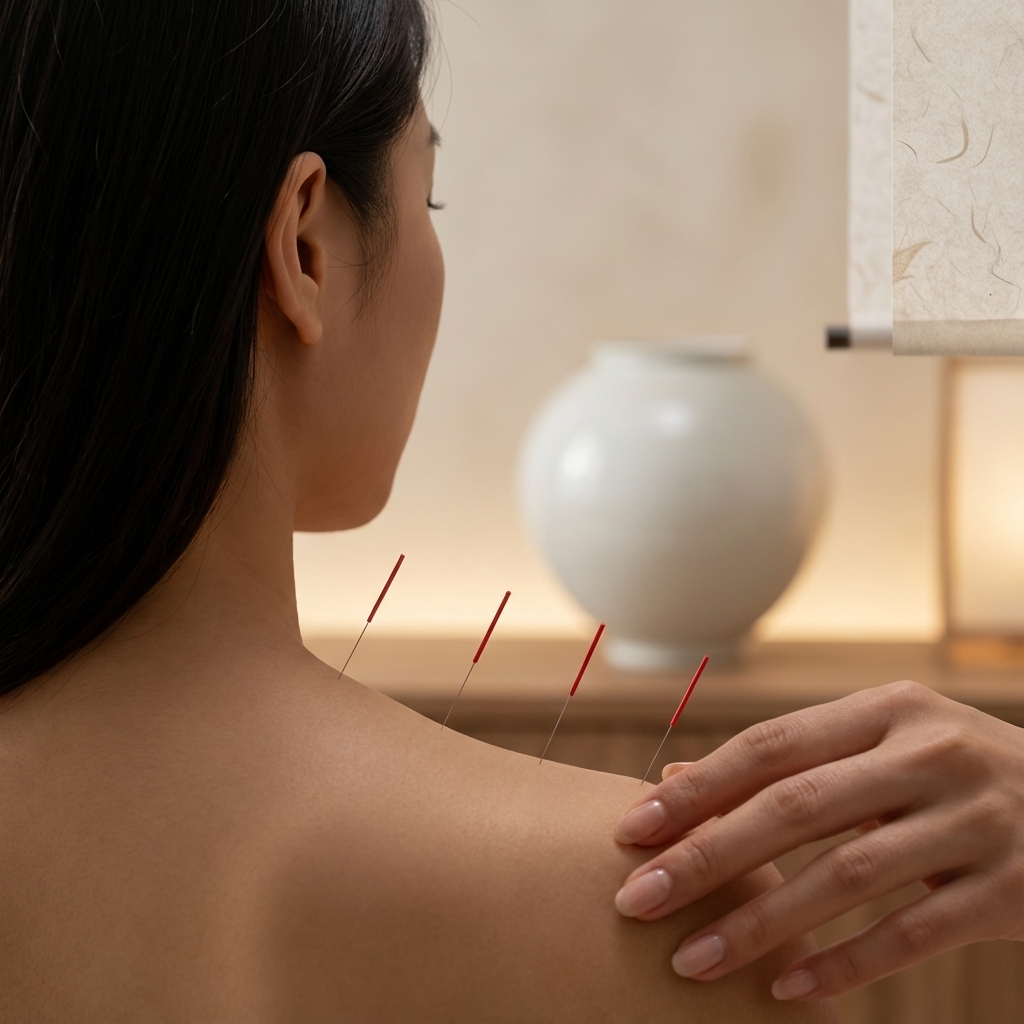
A Dochim is an acupuncture needle with a fine, blade-like tip. When performed under ultrasound guidance, it offers high safety as it allows for precise treatment of adhesion sites while avoiding nerves and blood vessels. You may experience soreness or mild bruising for 1 to 3 days after the procedure, but these usually disappear naturally. The risk of infection is also very low due to the use of disposable, sterile needles.

Detailed Answer

The Dochim (needle blade) is shaped like a blade with a thicker diameter and a flat tip compared to standard needles. It is a procedure used in chronic tennis elbow to dissect hardened adhesions and stimulate regeneration at the tendon attachment site. Studies have reported the efficacy of Dochim for chronic lateral epicondylitis, and anatomical accuracy is key to safety. Since the outer side of the elbow is where branches of the radial nerve pass, performing the procedure while monitoring the location of tendons, nerves, and blood vessels in real-time using ultrasound allows for precise treatment of the lesion while avoiding hazardous structures. Common post-procedure reactions include stiffness lasting 1 to 3 days, localized bruising, and a temporary increase in pain; these are part of the tissue regeneration response and usually resolve naturally. Please inform us in advance if you are taking anticoagulants, have bleeding disorders, or have an infection at the procedure site. In Korean medicine, the root of chronic pain is long-stagnated blood stasis and hardened knots—specifically, muscle-vein blood stasis. While standard acupuncture regulates the flow of Qi and blood, Do-chim (sticked needles) differs in their role by physically opening adhesions that are already constricted and blocking the flow itself. At Dongjedang, we do not use Do-chim from the outset. We monitor the response with acupuncture and pharmacopuncture, and apply Do-chim in stages only when adhesions and degeneration are confirmed via ultrasound and standard acupuncture has reached its limits. The procedure is strictly performed under ultrasound guidance with minimal insertion. After the procedure, we complete recovery by continuing with internal treatments to dissolve blood stasis and replenish Qi and blood, ensuring the opened flow does not become blocked again. Even if the instrument appears thick, the essence of safety lies in using it only as much as is necessary at the precise location.
#테니스엘보 #도침 #안전성 #부작용 #초음파가이드
동제당한의원 Care

Tennis Elbow is not just a simple symptom

Korean medicine that considers both your constitution and lifestyle rhythm treats the root cause.

From consultation to precise treatment, we provide personalized care.

Herbal-Centered Treatment

Prescriptions tailored to your constitution and symptoms treat the root cause

1:1 Director Care

The director personally sees you from first to follow-up visits

Precise Diagnosis

We identify the essence through Sasang constitution, pulse and abdominal diagnosis

Clinical Approach

Treatment based on long clinical experience and evidence

Was this helpful? If you need accurate care for your condition, please contact us below.

인천시 동구 동산로88
Weekdays 09:00 - 19:00 · Sat 09:00 - 15:00