
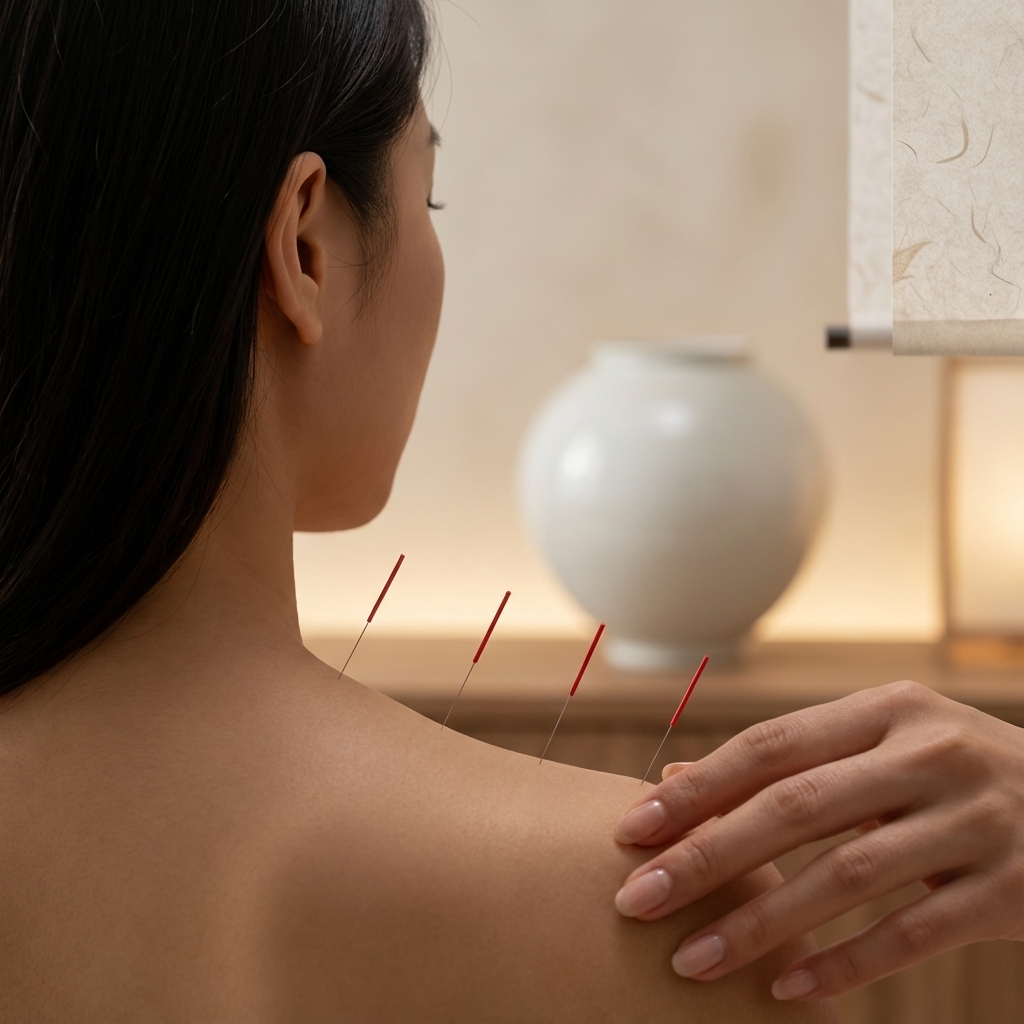
Occipital Neuralgia
Occipital Neuralgia
Occipital neuralgia with a tingling, radiating pain in the back of the head and neck

# Possibility / Realistic Goals (2)
Q The MRI showed no abnormalities, but the back of my head hurts so much. Is this occipital neuralgia? Is treatment worthwhile?
A. It is possible to diagnose occipital neuralgia even if there are no abnormalities on the MRI. Occipital neuralgia is primarily caused by functional nerve compression and myofascial adhesions, so it is not easily detected by imaging tests. Diagnosis is made through neurological examination and identification of tender points, and if a cause is identified, treatment is sufficiently meaningful. In fact, the absence of abnormalities on imaging means that the condition can be sufficiently resolved through conservative treatment rather than surgery.
View details →Q The neurology department recommended surgery, but I am very scared. Can this be resolved with Korean medicine treatment without surgery?
A. Most cases of laryngeal neuralgia improve sufficiently with conservative treatment without surgery. Nerve decompression is considered only in refractory cases that do not respond to conservative treatments such as medication, injections, or Korean medicine. It is a reasonable approach to first fully try conservative Korean medicine treatments, such as moxibustion, acupuncture, and pharmacopuncture. The general approach is to re-evaluate the possibility of surgery only if there is no effect after 3 to 6 months of active treatment.
View details →# Comorbidities (1)
# Lifestyle Management (2)
Q I have occipital neuralgia, and it hurts more after I sleep. Is it related to my pillow or sleeping position?
A. Sleeping position and pillow height have a significant impact on occipital neuralgia. Pillows that are too high or too hard flex the cervical spine, increasing compression of the occipital nerve. Sleeping on your side can cause pain by placing asymmetrical tension on the lateral neck muscles. Using a low pillow (8–10 cm) that matches the height of the cervical spine and lying on your back is generally recommended.
View details →Q Is it okay to do stretching or exercise during treatment for occipital neuralgia? What kind of exercises are helpful?
A. Appropriate stretching during treatment helps relieve tension in the posterior neck muscles. However, excessive stretching or performing it forcefully when pain is severe can worsen inflammation. The basic routine involves performing deep cervical flexor strengthening exercises (chin tuck) and light posterior neck stretching 2 to 3 times a day for about 15 to 20 seconds each. During the acute pain phase, it is safer to reduce stretching and perform light exercises after applying a warm compress.
View details →# Safety (1)
# Drug Combination / Interactions (1)
# Prognosis / Recovery (2)
Q I am an office worker in my 30s diagnosed with laryngeal neuralgia. Can I be completely cured with treatment? How long does it usually take?
A. Laryngeal neuralgia can be significantly improved if the cause is accurately identified and treated. In acute cases where myofascial adhesions are not severe, significant improvement can be expected with 4 to 8 weeks of intensive treatment. In chronic cases, continuous treatment for 3 to 6 months may be necessary, and recurrence can be greatly reduced by combining it with posture correction and lifestyle improvements. The duration is realistically adjusted based on the initial response to treatment.
View details →Q My occipital neuralgia was cured once, but it has recurred. Is there any way to prevent such recurrences?
A. Recurrent occipital neuralgia recurs when structural causes (adhesion of cervical joints and fascia) are not completely corrected or when postural and stress habits remain. To prevent recurrence, you must consistently practice cervical stabilization exercises, maintain proper posture, and minimize exposure to cold even after treatment is completed. At a Korean medicine clinic, the recurrence cycle can be extended through maintenance treatment (1-2 times a month). Receiving prompt treatment at the early stages of recurrence is key to preventing it from becoming chronic.
View details →# Causes Explained (2)
Q I am an office worker in my 40s, and my neck is always stiff and the back of my head hurts from a tingling sensation. Why does occipital neuralgia occur?
A. Occipital neuralgia occurs when the greater and lesser occipital nerves, which pass through the occipital region, are compressed or irritated. Major causes include neck muscle tension, cervical joint problems, trauma, and maintaining poor posture for extended periods. Those who work extensively on computers are particularly susceptible to nerve compression as the muscles around the first and second cervical vertebrae stiffen. Identifying the exact cause is the first step toward personalized treatment.
View details →Q I am an office worker in my 30s who developed pain in the back of my head after a car accident. Is there a connection between occipital neuralgia and neck joints?
A. Cervical joints and occipital neuralgia are closely linked. In particular, if problems arise with the joints of the first and second cervical vertebrae, the greater occipital nerve passing nearby is irritated, causing pain to spread to the scalp. After trauma, micro-damage may remain in the joints and fascia, leading to persistent nerve compression. It is important not to ignore pain in the back of the head after an accident and to have the upper cervical spine structure professionally evaluated.
View details →# Food / Triggers (2)
Q I have laryngeal neuralgia, and it seems to hurt more when I drink coffee or alcohol. Is it related to food?
A. Caffeine and alcohol can worsen laryngeal neuralgia by causing vasodilation and constriction, disrupting sleep, and increasing muscle tension. In particular, alcohol can intensify blood stasis and heighten inflammatory responses, thereby aggravating pain. While caffeine provides short-term pain relief, excessive consumption can lead to withdrawal headaches and nervous hypersensitivity. When symptoms are severe, it is helpful to reduce both.
View details →Q I am a man in my 40s working as a night delivery driver. The pain in the back of my head worsens when I am stressed or on cold days. Why is that?
A. Stress tenses the muscles of the back of the neck and constricts blood vessels, increasing pressure around the laryngeal nerve. Cold weather is a major trigger that exacerbates nerve compression by constricting muscles and blood vessels. Pain becomes severe in combination, particularly when sleep deprivation, cold, and overwork overlap, such as during night work. Maintaining warmth and managing stress are important for preventing the worsening of symptoms.
View details →# Treatment Schedule (1)
# Treatment Stages (2)
Q I heard that moxibustion is effective for laryngeal neuralgia. What is the principle behind the treatment?
A. Dochim is a treatment method that uses a specialized needle with a diameter of 0.5 to 1 mm to directly separate hardened fascia and adhesions surrounding the laryngeal nerve. Because it eliminates the structural cause of nerve compression itself, it is effective in reducing recurrence. Using an ultrasound guide allows for precise treatment while avoiding nerves and blood vessels, ensuring high safety. Many patients experience immediate effects even after just a single treatment.
View details →Q What are the effects of taking herbal medicine for laryngeal neuralgia? How does it differ from acupuncture treatment?
A. While acupuncture is an external treatment that directly relieves nerve compression, herbal medicine is an internal treatment that improves the inflammatory environment within the body and restores organ function. Combining the two treatments allows for both local and systemic treatment to occur simultaneously, resulting in faster effects and reduced recurrence. Herbal medicine is formulated to suit the specific constitutional causes, such as removing blood stasis and dampness, replenishing Qi and blood, and strengthening kidney and bladder functions. In many cases, the treatment period is shortened compared to receiving acupuncture alone.
View details →# Effectiveness (2)
Q I am a housewife in my 50s living in Dongincheon. I underwent a nerve block for laryngeal neuralgia, but it has recurred. Would treatment at a Korean medicine clinic be effective?
A. While nerve blocks are effective for temporary pain relief, recurrence is frequent if the underlying causes—fascial adhesions or joint dysfunction—remain. Treatment at a Korean medicine clinic focuses on resolving the root cause of nerve compression itself using moxibustion, acupuncture, and pharmacopuncture. In fact, many patients who experienced a recurrence after a nerve block see long-term improvement through Korean medicine treatment. The core goals are correcting the root cause and preventing recurrence.
View details →Q I am a resident of Dong-gu, Incheon, in my 60s. I have had laryngeal neuralgia for two years; is it possible for a condition this long-standing to improve?
A. Even chronic laryngeal neuralgia can be effectively treated if the cause is accurately identified. However, if the condition has persisted for more than two years, deep fascial adhesions and nerve hypersensitivity may develop, requiring more time than short-term treatment. Significant improvement is often seen even in chronic patients if they consistently receive structural corrective treatments such as moxibustion and pharmacopuncture. It is realistic to adjust the duration based on the initial response to treatment.
View details →Occipital Neuralgia is not just a simple symptom
Korean medicine that considers both your constitution and lifestyle rhythm treats the root cause.
From consultation to precise treatment, we provide personalized care.
Prescriptions tailored to your constitution and symptoms treat the root cause
The director personally sees you from first to follow-up visits
We identify the essence through Sasang constitution, pulse and abdominal diagnosis
Treatment based on long clinical experience and evidence
Was this helpful? If you need accurate care for your condition, please contact us below.