
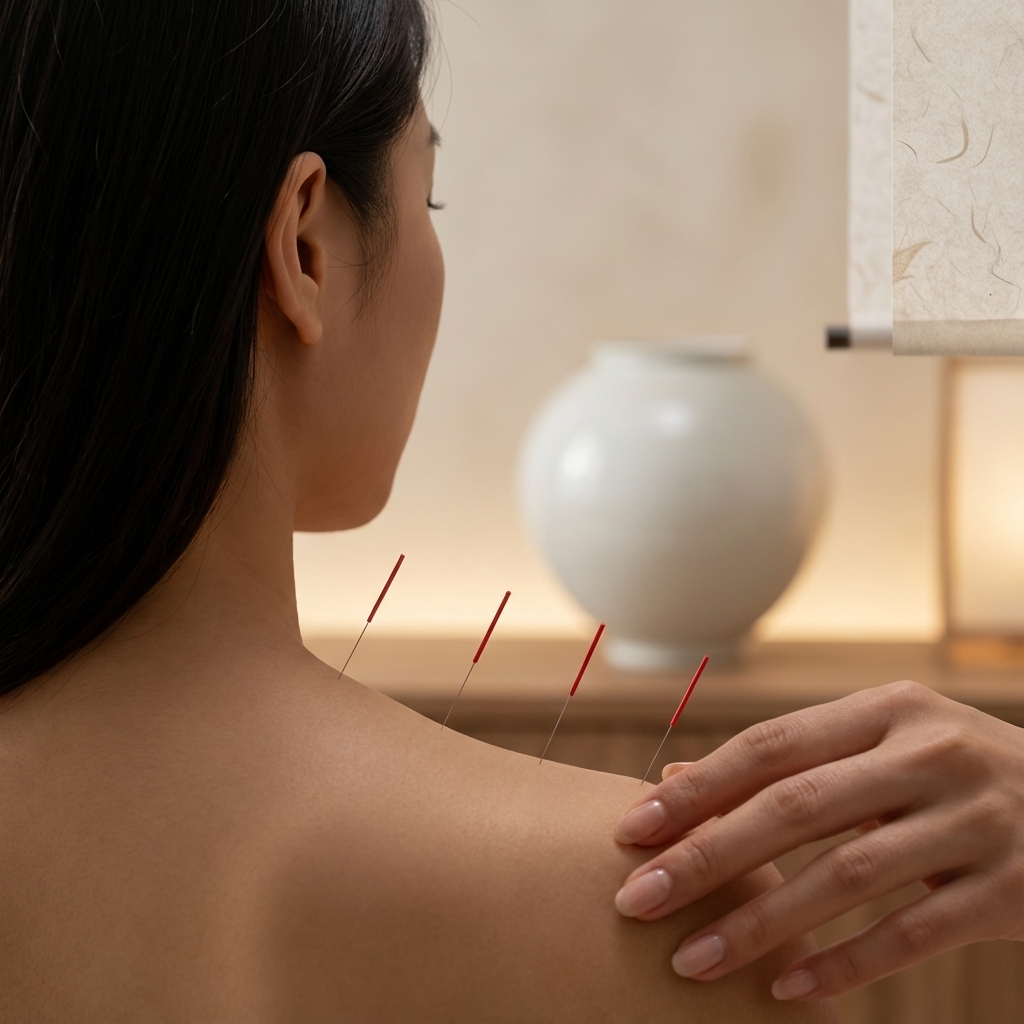

Q What are the effects of taking herbal medicine for laryngeal neuralgia? How does it differ from acupuncture treatment?
A While acupuncture is an external treatment that directly relieves nerve compression, herbal medicine is an internal treatment that improves the inflammatory environment within the body and restores organ function. Combining the two treatments allows for both local and systemic treatment to occur simultaneously, resulting in faster effects and reduced recurrence. Herbal medicine is formulated to suit the specific constitutional causes, such as removing blood stasis and dampness, replenishing Qi and blood, and strengthening kidney and bladder functions. In many cases, the treatment period is shortened compared to receiving acupuncture alone.
Detailed Answer
The mechanism of action of herbal medicine for laryngeal neuralgia is as follows: ① Anti-inflammation — Components of turmeric, curcuma longa, and Cnidium officinale inhibit COX-2 and prostaglandins; ② Neuroprotection — Astragalus membranaceus and Angelica sinensis upregulate neurotrophic factor (NGF); ③ Muscle relaxation — The combination of Paeonia lactiflora and licorice relieves muscle tension by inhibiting muscle spindles; ④ Improvement of blood circulation — Salvia miltiorrhiza and Prunus persica contribute to the improvement of local ischemia. While acupuncture excels in relieving physical pressure and providing immediate pain relief, herbal medicine is strong in improving the systemic inflammatory environment and preventing recurrence, creating a synergistic effect when combined. From the Perspective of a Korean Medicine Clinic, the combined use of oral medication and procedures is a core principle of Korean medicine. By using micro-blade needles and standard acupuncture to release adhesions and facilitate the flow of Qi and blood pathways, and by replenishing Qi and blood with herbal medicine to care for internal organs, the body's self-healing mechanisms are strengthened. In the case of laryngeal neuralgia, herbal medicine is primarily formulated to dissolve blood clots, expel cold energy, and supplement kidney and liver functions, but it is adjusted according to the individual's physical condition and accompanying symptoms. Through the synergy of these two treatments, we aim to shorten the treatment period and achieve a state free from recurrence.
Related FAQs
-
Q
The MRI showed no abnormalities, but the back of my head hurts so much. Is this occipital neuralgia? Is treatment worthwhile?
#Possibility / Realistic Goals
-
Q
The neurology department recommended surgery, but I am very scared. Can this be resolved with Korean medicine treatment without surgery?
#Possibility / Realistic Goals
-
Q
I have both occipital neuralgia and migraines. Can both be treated together?
#Comorbidities
-
Q
I have occipital neuralgia, and it hurts more after I sleep. Is it related to my pillow or sleeping position?
#Lifestyle Management
-
Q
Is it okay to do stretching or exercise during treatment for occipital neuralgia? What kind of exercises are helpful?
#Lifestyle Management