
Q The MRI showed no abnormalities, but the back of my head hurts so much. Is this occipital neuralgia? Is treatment worthwhile?
A It is possible to diagnose occipital neuralgia even if there are no abnormalities on the MRI. Occipital neuralgia is primarily caused by functional nerve compression and myofascial adhesions, so it is not easily detected by imaging tests. Diagnosis is made through neurological examination and identification of tender points, and if a cause is identified, treatment is sufficiently meaningful. In fact, the absence of abnormalities on imaging means that the condition can be sufficiently resolved through conservative treatment rather than surgery.
Detailed Answer
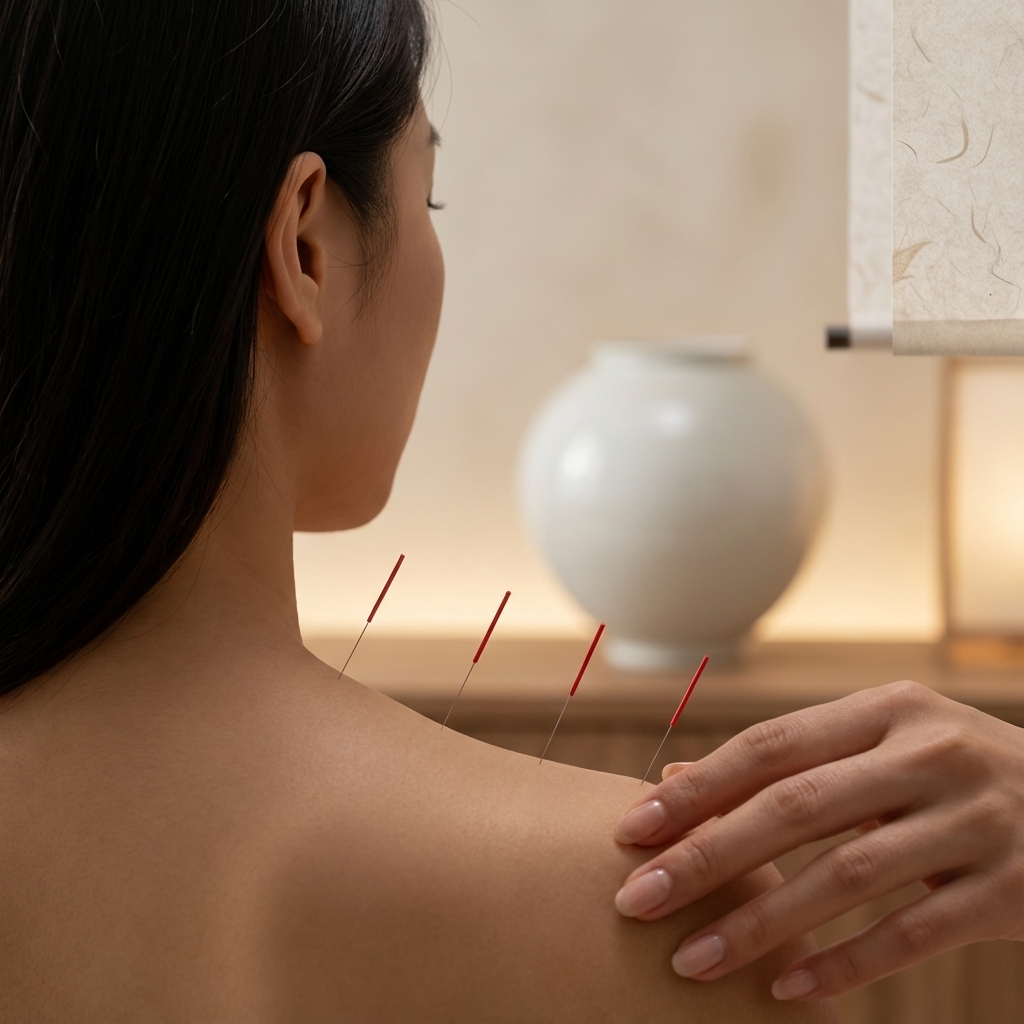
Occipital neuralgia is a clinically diagnosed condition, and it is diagnosed even if clear compression is not visible on MRI or CT. The greater occipital nerve is only about 2–3 mm in diameter, making it difficult to capture with standard MRI resolution, and functional compression (intermittent compression due to myofascial tension) may appear normal on imaging. Diagnostic criteria include: ① identification of occipital tender points (C2 cervical point), ② unilateral scalp pain with an electric shock or heat sensation, and ③ a response to pain relief after a local anesthetic nerve block. Normal imaging results also mean that full recovery is possible through conservative treatment. Perspective of a Korean Medicine Clinic In Korean medicine, based on the view that "Qi has no form," we understand that stagnation of Qi and blood, as well as blockages in pathways, cause pain even if they are not visible on imaging. A normal MRI may actually indicate a situation where Korean medicine treatments, which correct imbalances at the level of organs and Qi-blood pathways, are more appropriate. At Dongjedang, we manually identify painful spots and reaction points in the Qi-blood pathways, and resolve functional adhesions using micro-blade needles and standard acupuncture. In fact, there are many cases where patients who suffered without imaging abnormalities show significant improvement through Korean medicine treatment.
Related FAQs
-
Q
The neurology department recommended surgery, but I am very scared. Can this be resolved with Korean medicine treatment without surgery?
#Possibility / Realistic Goals
-
Q
I have both occipital neuralgia and migraines. Can both be treated together?
#Comorbidities
-
Q
I have occipital neuralgia, and it hurts more after I sleep. Is it related to my pillow or sleeping position?
#Lifestyle Management
-
Q
Is it okay to do stretching or exercise during treatment for occipital neuralgia? What kind of exercises are helpful?
#Lifestyle Management
-
Q
I developed laryngeal neuralgia while pregnant. Is it safe to receive acupuncture or herbal medicine?
#Safety