

Q I have occipital neuralgia, and it hurts more after I sleep. Is it related to my pillow or sleeping position?
A Sleeping position and pillow height have a significant impact on occipital neuralgia. Pillows that are too high or too hard flex the cervical spine, increasing compression of the occipital nerve. Sleeping on your side can cause pain by placing asymmetrical tension on the lateral neck muscles. Using a low pillow (8–10 cm) that matches the height of the cervical spine and lying on your back is generally recommended.
Detailed Answer
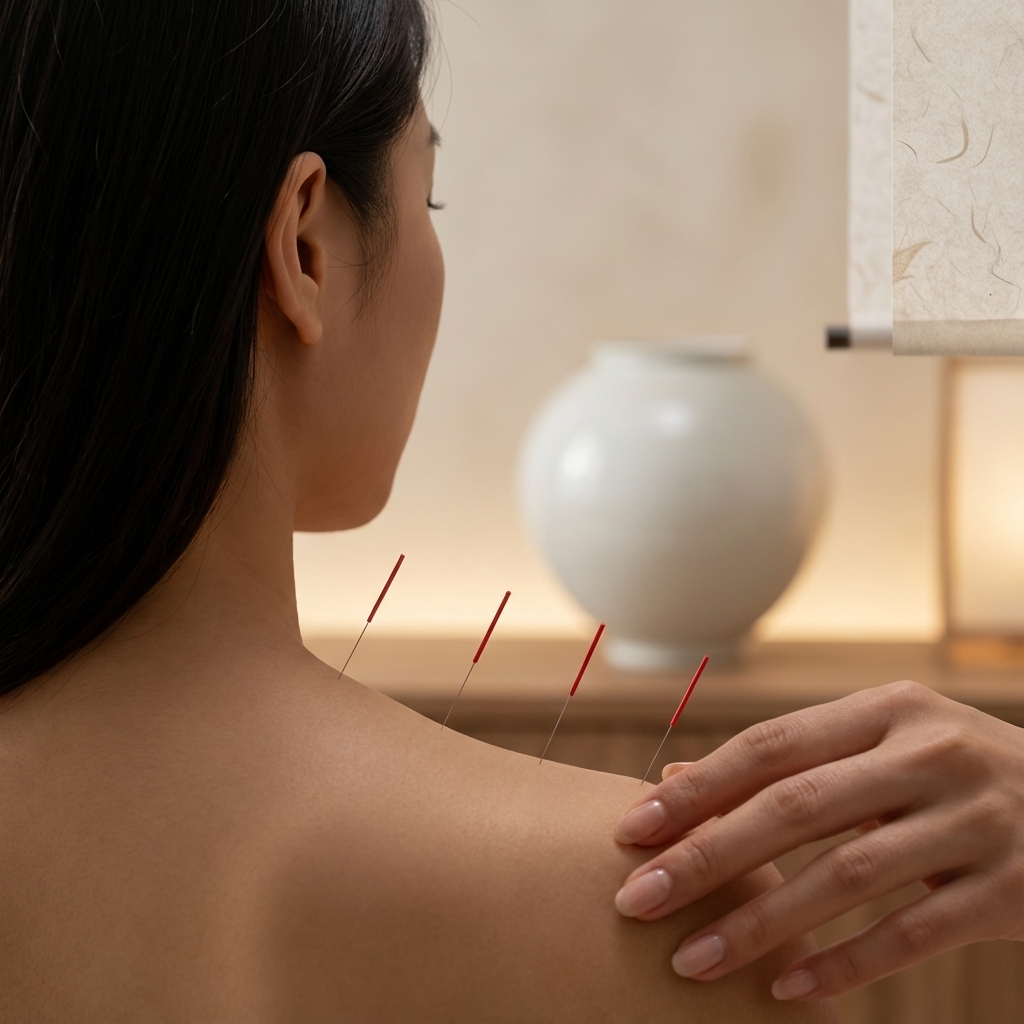
If cervical alignment is disrupted during sleep, the posterior neck muscles remain in a state of abnormal tension for a long time, intensifying pain upon waking in the morning. An appropriate pillow height is 8–10 cm, which maintains the physiological lordosis of the cervical spine; if it is too high, it leads to cervical flexion and compression of the greater occipital nerve, while if it is too low, it causes cervical extension overload. When sleeping on your side, the pillow height should be adjusted to shoulder width, and memory foam or a pillow specifically designed for the cervical spine can be helpful. Using a smartphone in bed can also cause cervical curvature, so it is recommended to stop before sleep. Perspective of a Korean Medicine Clinic In Korean medicine, sleep is a time for the body's Yin energy to recover; if sleeping posture is poor, Qi and blood cannot circulate properly and become stagnant in the back of the neck. Recovery during sleep is particularly vulnerable if there is a deficiency of Yin energy in the kidneys. At Dongjedang, we help improve Qi and blood circulation in the back of the neck through acupuncture treatment, while providing detailed guidance on correcting sleeping posture and pillows. Replenishing Yin energy with herbal medicine tailored to your body condition also enhances recovery during sleep.
Related FAQs
-
Q
The MRI showed no abnormalities, but the back of my head hurts so much. Is this occipital neuralgia? Is treatment worthwhile?
#Possibility / Realistic Goals
-
Q
The neurology department recommended surgery, but I am very scared. Can this be resolved with Korean medicine treatment without surgery?
#Possibility / Realistic Goals
-
Q
I have both occipital neuralgia and migraines. Can both be treated together?
#Comorbidities
-
Q
Is it okay to do stretching or exercise during treatment for occipital neuralgia? What kind of exercises are helpful?
#Lifestyle Management
-
Q
I developed laryngeal neuralgia while pregnant. Is it safe to receive acupuncture or herbal medicine?
#Safety