

Q I am a resident of Dong-gu, Incheon, in my 60s. I have had laryngeal neuralgia for two years; is it possible for a condition this long-standing to improve?
A Even chronic laryngeal neuralgia can be effectively treated if the cause is accurately identified. However, if the condition has persisted for more than two years, deep fascial adhesions and nerve hypersensitivity may develop, requiring more time than short-term treatment. Significant improvement is often seen even in chronic patients if they consistently receive structural corrective treatments such as moxibustion and pharmacopuncture. It is realistic to adjust the duration based on the initial response to treatment.
Detailed Answer
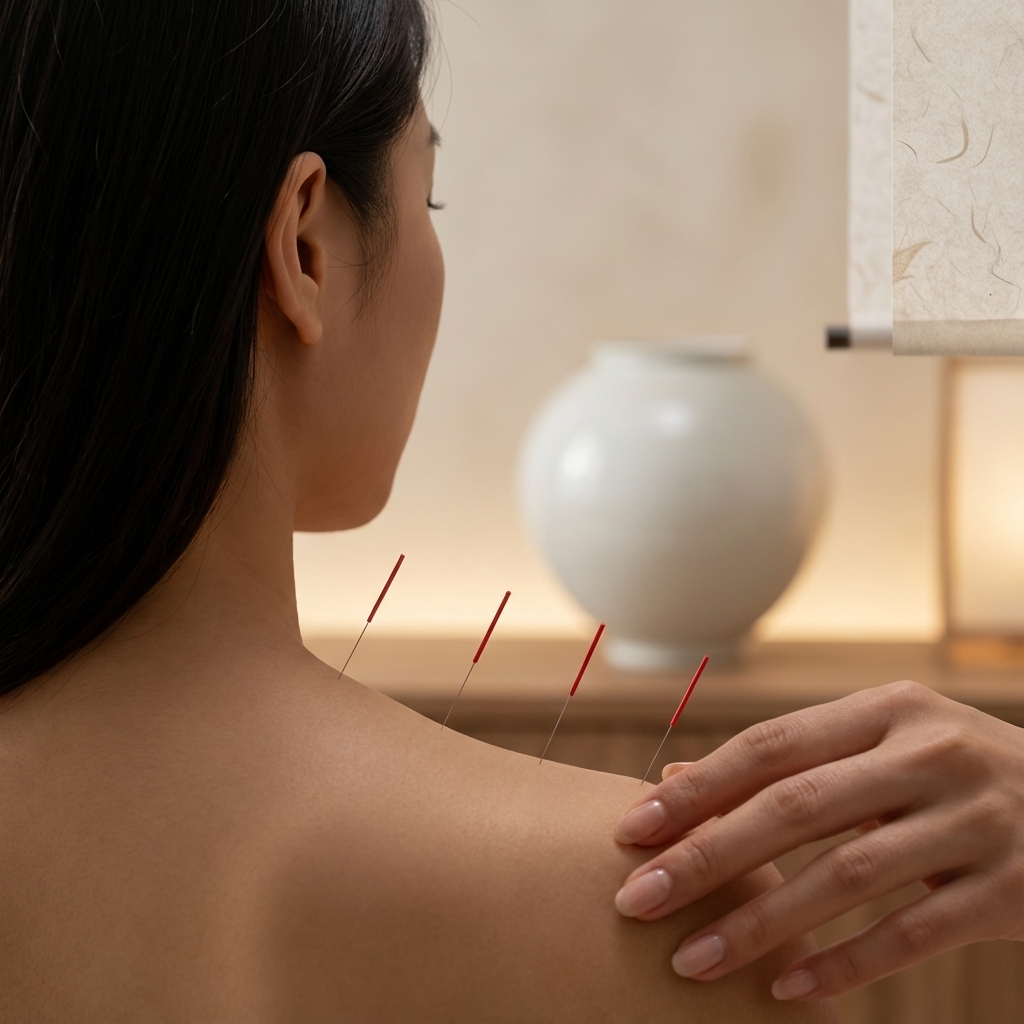
Chronic laryngeal neuralgia (lasting more than two years) is often accompanied by central sensitization, so the treatment period may be longer and the response slower than in the acute phase. However, if structural causes such as fascial adhesions or cervical joint dysfunction remain, sufficient improvement is possible through moxibustion, pharmacopuncture, or acupuncture treatments. Treatment strategies are readjusted based on results from the initial 3 to 4 weeks, and improvement generally occurs in the order of reduced pain intensity, shortened duration, and decreased frequency. In Korean medicine, chronic pain is viewed as a condition where blood stasis and phlegm have accumulated in the meridians over a long period. The longer a condition persists, the more energy is required for treatment due to the overlapping deficiency of Qi and blood (Qi deficiency and blood deficiency); however, improvement is possible by fundamentally restoring organ function. At Dongjedang, we establish a foundation for recovery by gradually releasing local adhesions that obstruct meridian circulation using needle acupuncture, while replenishing Qi and blood with herbal medicine tailored to the patient's constitution. For chronic cases, we minimize recurrence by conducting lifestyle management education alongside treatment.
Related FAQs
-
Q
The MRI showed no abnormalities, but the back of my head hurts so much. Is this occipital neuralgia? Is treatment worthwhile?
#Possibility / Realistic Goals
-
Q
The neurology department recommended surgery, but I am very scared. Can this be resolved with Korean medicine treatment without surgery?
#Possibility / Realistic Goals
-
Q
I have both occipital neuralgia and migraines. Can both be treated together?
#Comorbidities
-
Q
I have occipital neuralgia, and it hurts more after I sleep. Is it related to my pillow or sleeping position?
#Lifestyle Management
-
Q
Is it okay to do stretching or exercise during treatment for occipital neuralgia? What kind of exercises are helpful?
#Lifestyle Management