

Q I am a female office worker in my 30s. After a minor collision, my headache and dizziness are more severe than my neck pain. Why does my head hurt when my neck was injured?
A When the muscles and joints of the upper cervical spine are damaged, the nerves ascending to the occipital region are irritated, causing cervicogenic headaches. Additionally, since receptors responsible for balance are densely concentrated in the neck joints, damage can be accompanied by dizziness and a dazed feeling. This is a very common symptom of whiplash injury.
Detailed Answer
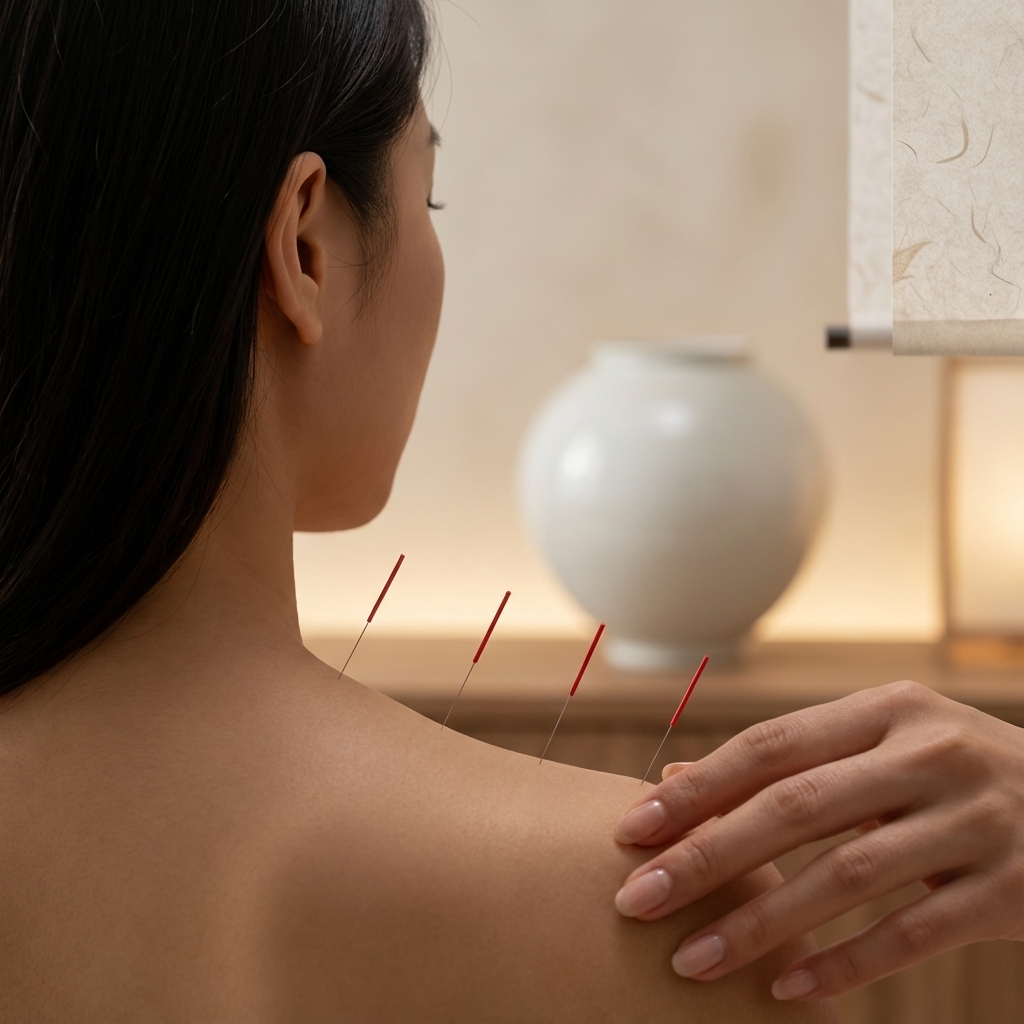
If the joints above the 1st to 3rd cervical vertebrae and the suboccipital muscle group are damaged, the greater and lesser occipital nerves are irritated, causing cervicogenic headaches that radiate from the back of the head to the crown and around the eyes. Furthermore, proprioceptive receptors are densely concentrated in the cervical joint capsule and deep muscles, playing a role in maintaining balance in conjunction with vestibular and visual information; if these signals are disrupted by whiplash injury, symptoms such as dizziness, dazedness, and decreased concentration may occur. Although brain injury is not a factor in most cases, if there has been loss of consciousness or severe vomiting, imaging tests are necessary for differential diagnosis. In Korean medicine, the head is viewed as the gathering place for all Yang energy; therefore, it is believed that if the meridians in the neck are blocked, clear energy cannot rise to the head, causing headaches and dizziness. In particular, if the meridians passing through the back of the head are blocked by stagnant blood caused by trauma, the symptoms precisely overlap with those of cervical headaches. Clinically, approaches are divided into types where stagnant blood blocks the meridians and types where waste products obstruct clear energy, causing dizziness. At Dongjedang, we combine external treatment—releasing tension points in the suboccipital muscle group using acupuncture and pharmacopuncture to reduce nerve stimulation—with internal treatment to flush out waste products and stagnant blood from the body and restore Qi and blood circulation. Based on the perspective that even if symptoms are in the head, the cause lies in the neck and systemic circulation, we aim for treatment that opens the fundamental pathways rather than merely masking the symptoms with headache medication.
Related FAQs
-
Q
I am a job seeker in my 20s. It has been three months since the accident, and I am anxious because there are many posts online saying that it lasts a lifetime. Is it really possible to fully recover?
#Possibility / Realistic Goals
-
Q
I am a logistics center employee in my 30s. I even had an MRI after the accident, and while it says there are no abnormalities, the pain persists. Is treatment possible even though the test results are normal?
#Possibility / Realistic Goals
-
Q
I am an elementary school teacher in my 40s. After the accident, I developed not only neck pain but also shoulder stiffness, numbness in my arms, and occasional tinnitus. Do I need to visit separate hospitals for each condition, or is it originating from my neck?
#Comorbidities
-
Q
I am a bus driver in my 50s. I have been wearing a neck brace since an accident, but is it better to keep wearing it? I am not sure how long I need to wear it.
#Lifestyle Management
-
Q
I am a nurse in my 30s. Since the accident, my neck feels stiffer when I wake up. What should I do regarding my pillow or sleeping position?
#Lifestyle Management