
Q I am an office worker in my 40s. I commute to and from the Dongincheon area. How often should I come for treatment for a traffic accident injury? I am also curious if I can receive treatment through auto insurance.
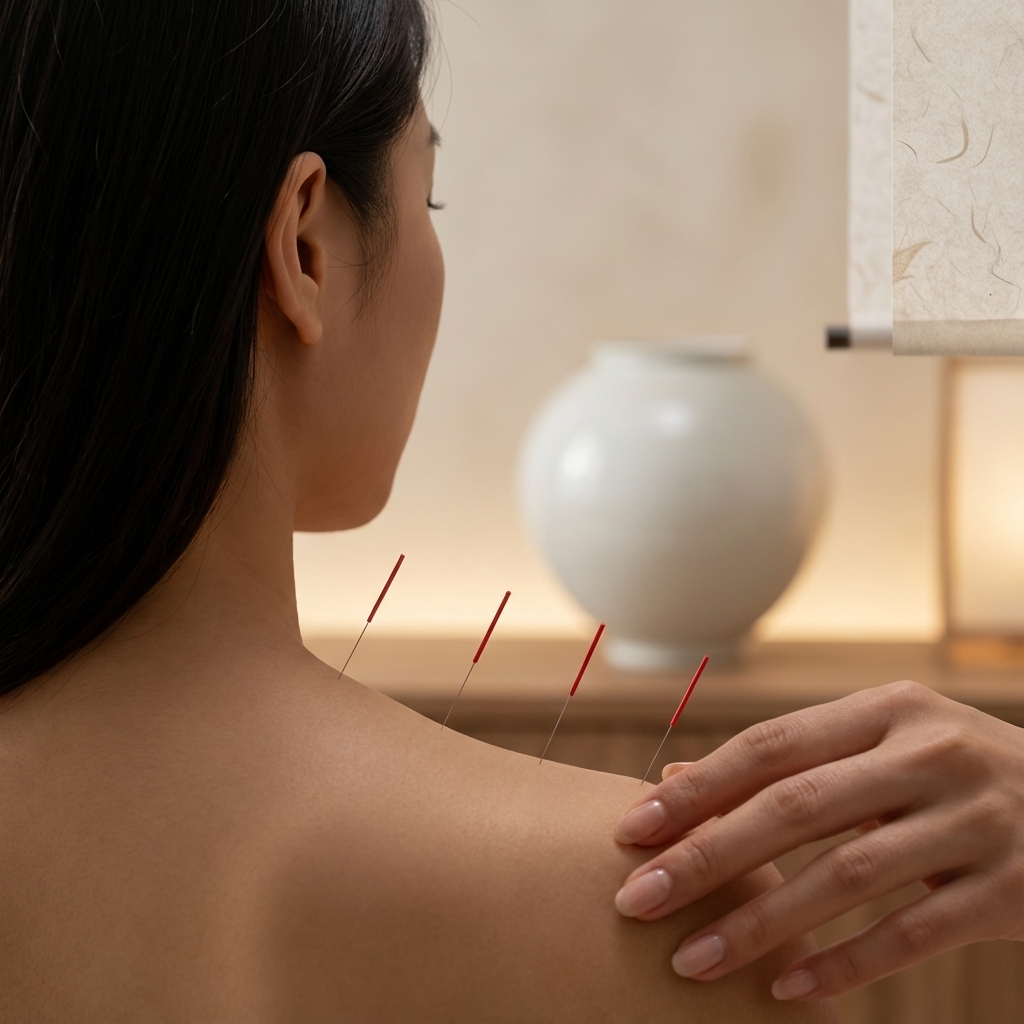
A It is generally recommended to visit 2 to 3 times a week during the acute phase (the first 2 to 4 weeks), and gradually reduce the frequency to 1 to 2 times a week as the condition improves. Acupuncture, pharmacopuncture, Chuna manual therapy, and herbal medicine treatments are covered by auto insurance (Auto Insurance). You can receive treatment without any out-of-pocket expenses simply by providing your insurance claim number.
Detailed Answer
The frequency of treatment for whiplash injury is adjusted based on the severity of the injury and the speed of recovery. During the acute phase, when pain is severe, 2 to 3 times a week is recommended as shorter treatment intervals allow for better management of inflammation and muscle tension. Once pain is reduced by more than half, the frequency is lowered to 1 to 2 times a week, and in the final stage, it is reduced to once a week or every other week. Traffic accident patients can receive acupuncture, pharmacopuncture, Chuna manual therapy, and herbal medicine (decoction) treatments at Korean medical institutions in accordance with automobile insurance medical fee standards. If a guarantee of payment is submitted to the insurance company, treatment is possible without any out-of-pocket expenses. From the perspective of a Korean medicine clinic, the treatment schedule is designed not merely based on the number of sessions, but tailored to the stages of blood stasis resolution. During the acute phase, blood stasis and inflammation are the primary issues, so acupuncture and pharmacopuncture are used to resolve them intensively. In the subacute phase, when hardened adhesions are identified, needle acupuncture is scheduled at intervals, and during the recovery phase, thread embedding and Chuna manual therapy are used to solidify tissue stability. Located in Dong-gu, Incheon, Dongjedang is situated on a convenient route for commuters near Dongincheon Station to stop by on their way home. For working patients, we reduce the burden of scheduling by fixing visit days according to the treatment stage. Combining auto insurance treatment with internal herbal medicine to clear blood stasis and dampness from the body maintains recovery even with longer intervals between visits, making the combination of external and internal treatment a realistic choice for busy professionals.
Related FAQs
-
Q
I am a job seeker in my 20s. It has been three months since the accident, and I am anxious because there are many posts online saying that it lasts a lifetime. Is it really possible to fully recover?
#Possibility / Realistic Goals
-
Q
I am a logistics center employee in my 30s. I even had an MRI after the accident, and while it says there are no abnormalities, the pain persists. Is treatment possible even though the test results are normal?
#Possibility / Realistic Goals
-
Q
I am an elementary school teacher in my 40s. After the accident, I developed not only neck pain but also shoulder stiffness, numbness in my arms, and occasional tinnitus. Do I need to visit separate hospitals for each condition, or is it originating from my neck?
#Comorbidities
-
Q
I am a bus driver in my 50s. I have been wearing a neck brace since an accident, but is it better to keep wearing it? I am not sure how long I need to wear it.
#Lifestyle Management
-
Q
I am a nurse in my 30s. Since the accident, my neck feels stiffer when I wake up. What should I do regarding my pillow or sleeping position?
#Lifestyle Management