

Q I am an office worker in my 30s. I was diagnosed with a whiplash injury following a minor collision on my commute. How long does it usually take to recover? I am worried because I cannot miss work for a long time.
A Mild whiplash injuries usually improve within 2 to 6 weeks, while moderate ones take about 2 to 3 months. It is not common to have to take time off work for treatment; in fact, maintaining daily activities as much as possible is beneficial for recovery. However, neglecting early treatment can lead to chronic conditions, so management during the first month is crucial.
Detailed Answer
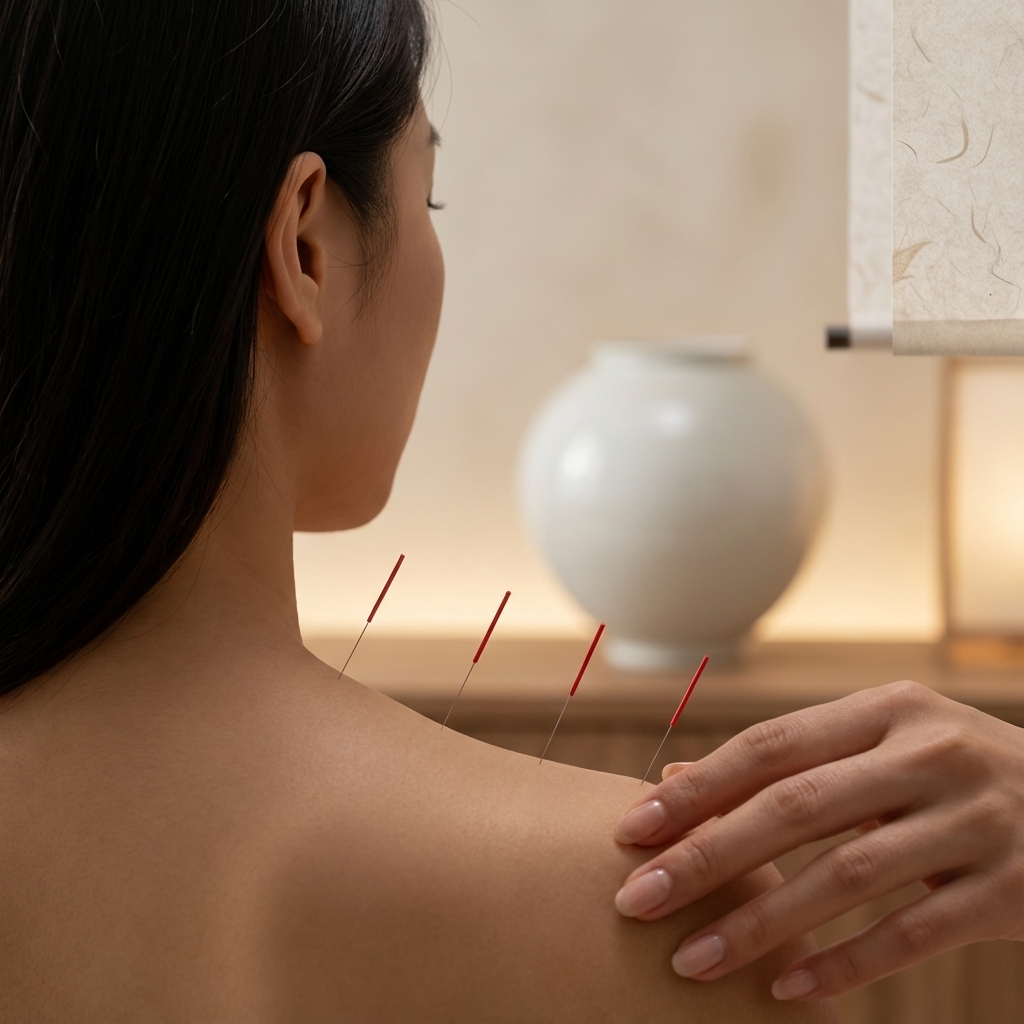
The recovery period for a whiplash injury varies depending on the injury grade (WAD classification). Grade 1, characterized by muscle pain, improves within a few weeks; Grade 2, accompanied by limited movement, takes an average of 2 to 3 months; and Grade 3, involving neurological symptoms, may take longer. Importantly, approximately 20–40% of patients progress to a chronic course; high initial pain intensity, the presence of headaches or dizziness, and excessive avoidance of activity are known risk factors. Consistent research results indicate that early activity leads to a better prognosis than bed rest. In Korean medicine, the recovery stages are viewed as the Blood Stasis Stage, the Hardening Stage, and the Recovery Stage. In the initial stage, traumatic blood stasis predominates, causing severe throbbing pain; if this blood stasis is not sufficiently resolved during this period, it hardens into rigid muscles and veins, leading to chronicity. This is why Dongjedang emphasizes the first month. For office workers, treatment schedules are arranged to align with their commute routes. During the acute phase, blood stasis and inflammation are intensively resolved using acupuncture and pharmacopuncture 2–3 times a week, while during the improvement phase, the frequency is reduced to 1–2 times a week to strengthen weakened ligaments using needle acupuncture and thread embedding. At the same time, if you clear out blood stasis and support your recovery power with herbal medicine tailored to your constitution, the effects are maintained even if you space out treatment intervals, making it easier to balance work life and treatment.
Related FAQs
-
Q
I am a job seeker in my 20s. It has been three months since the accident, and I am anxious because there are many posts online saying that it lasts a lifetime. Is it really possible to fully recover?
#Possibility / Realistic Goals
-
Q
I am a logistics center employee in my 30s. I even had an MRI after the accident, and while it says there are no abnormalities, the pain persists. Is treatment possible even though the test results are normal?
#Possibility / Realistic Goals
-
Q
I am an elementary school teacher in my 40s. After the accident, I developed not only neck pain but also shoulder stiffness, numbness in my arms, and occasional tinnitus. Do I need to visit separate hospitals for each condition, or is it originating from my neck?
#Comorbidities
-
Q
I am a bus driver in my 50s. I have been wearing a neck brace since an accident, but is it better to keep wearing it? I am not sure how long I need to wear it.
#Lifestyle Management
-
Q
I am a nurse in my 30s. Since the accident, my neck feels stiffer when I wake up. What should I do regarding my pillow or sleeping position?
#Lifestyle Management