
Q I am a man in my 50s. I am currently taking anti-inflammatory painkillers prescribed by an orthopedic clinic. Is it okay to receive herbal medicine or acupuncture treatment at the same time?
A Yes, generally, it is possible to combine them. Anti-inflammatory painkillers and acupuncture do not conflict because they work through different mechanisms. When prescribing herbal medicine, please inform us of any medications you are currently taking so that we can formulate the regimen considering potential interactions. However, caution is required as continuing to use your arm while completely masking pain with painkillers can worsen the injury.
Detailed Answer
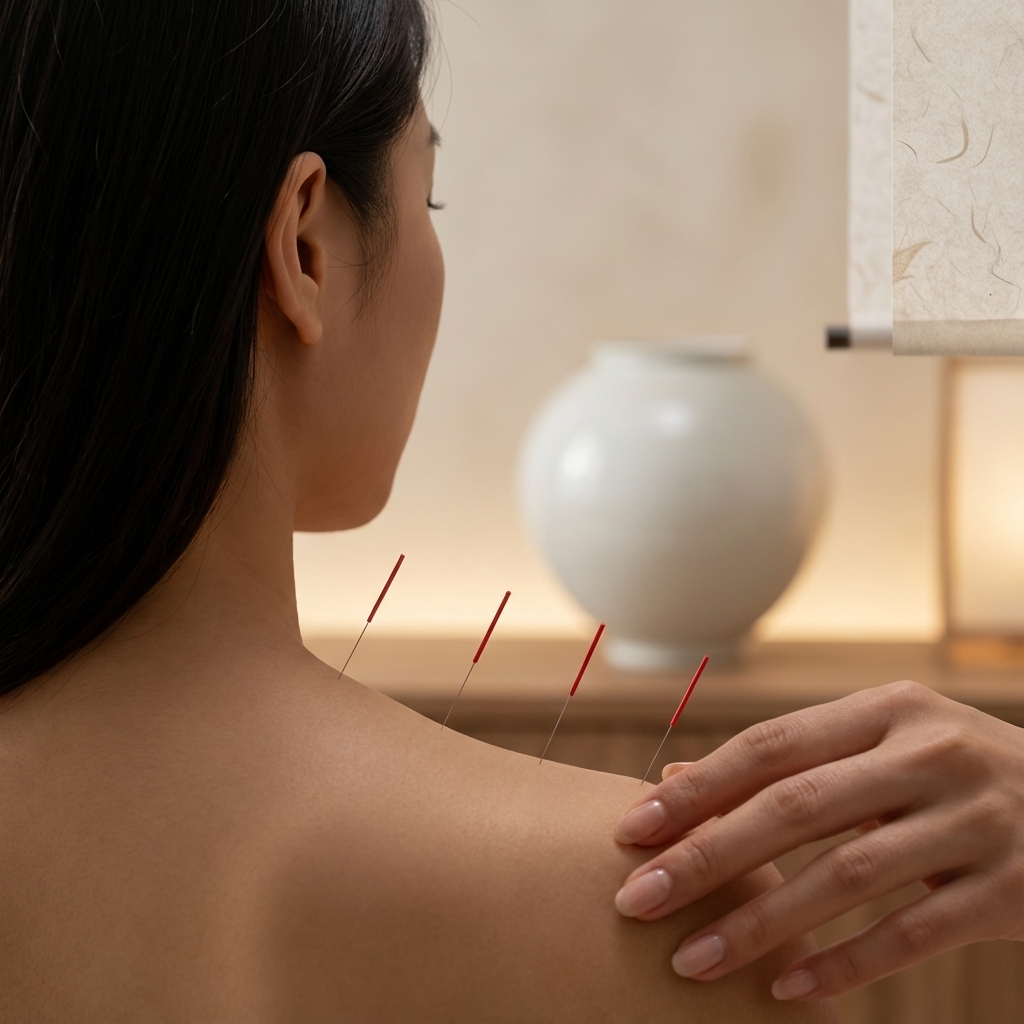
Non-steroidal anti-inflammatory drugs (NSAIDs) are symptomatic treatments that reduce pain and inflammatory signals, whereas acupuncture and moxibustion aim for tissue recovery and functional improvement. Since their mechanisms do not overlap, there is no problem with combining them. Herbal medicine can also be safely used in combination if prescribed after verifying any Western medications you are currently taking. There are two points to note. First, studies have shown that long-term use of NSAIDs can cause a burden on the gastrointestinal tract and delay tendon recovery itself; therefore, long-term reliance on them is not recommended for chronic tennis elbow. Second, since using your arm as usual while pain is masked by painkillers can lead to further injury, you must not mistake pain reduction for recovery. From the perspective of Korean medicine, painkillers merely shut off the signal of pain, whereas treatment resolves the underlying causes that trigger it: stagnation of Qi and blood, and excess Yang in the muscles and veins. Although their roles differ and they can be used together, if you only suppress the signal while ignoring the cause, the disease will progress from within. At Dongjedang, we check all medications currently being taken during the initial consultation. We then directly release blood stasis and adhesions in the injured area through external treatments (acupuncture, moxibustion, and pharmacopuncture), while for internal treatments, we administer herbal medicine tailored to your constitution with time intervals to avoid overlapping with Western medications. As treatment progresses and the root of the pain diminishes, you can naturally reduce your painkillers; this reduction process should also be carried out in stages under the guidance of your prescribing physician. Treatment is intended to help you stop taking medication, not to fight against it.
Related FAQs
-
Q
I am a self-employed man in my 50s. The orthopedic clinic even mentioned surgery, but is there really a possibility of recovery through Korean medicine treatment without surgery?
#Possibility / Realistic Goals
-
Q
I am a woman in my 40s who runs a small workshop in Dong-gu, Incheon. I have received steroid injections three times, but the effect is only temporary and the condition keeps recurring. Can this case also be improved with Korean traditional medicine treatment?
#Possibility / Realistic Goals
-
Q
I am a male developer in my 40s. I was diagnosed with tennis elbow, but my neck and shoulders are also constantly stiff. Are they related, or did they develop separately?
#Comorbidities
-
Q
I am a male office worker in my 50s. Please tell me about stretches or exercises that are good for tennis elbow. Something I can do at home every day.
#Lifestyle Management
-
Q
I am a woman in my 30s who runs a cafe. Is ice packs or hot packs better for tennis elbow? I am confused because the information on the internet is inconsistent.
#Lifestyle Management