
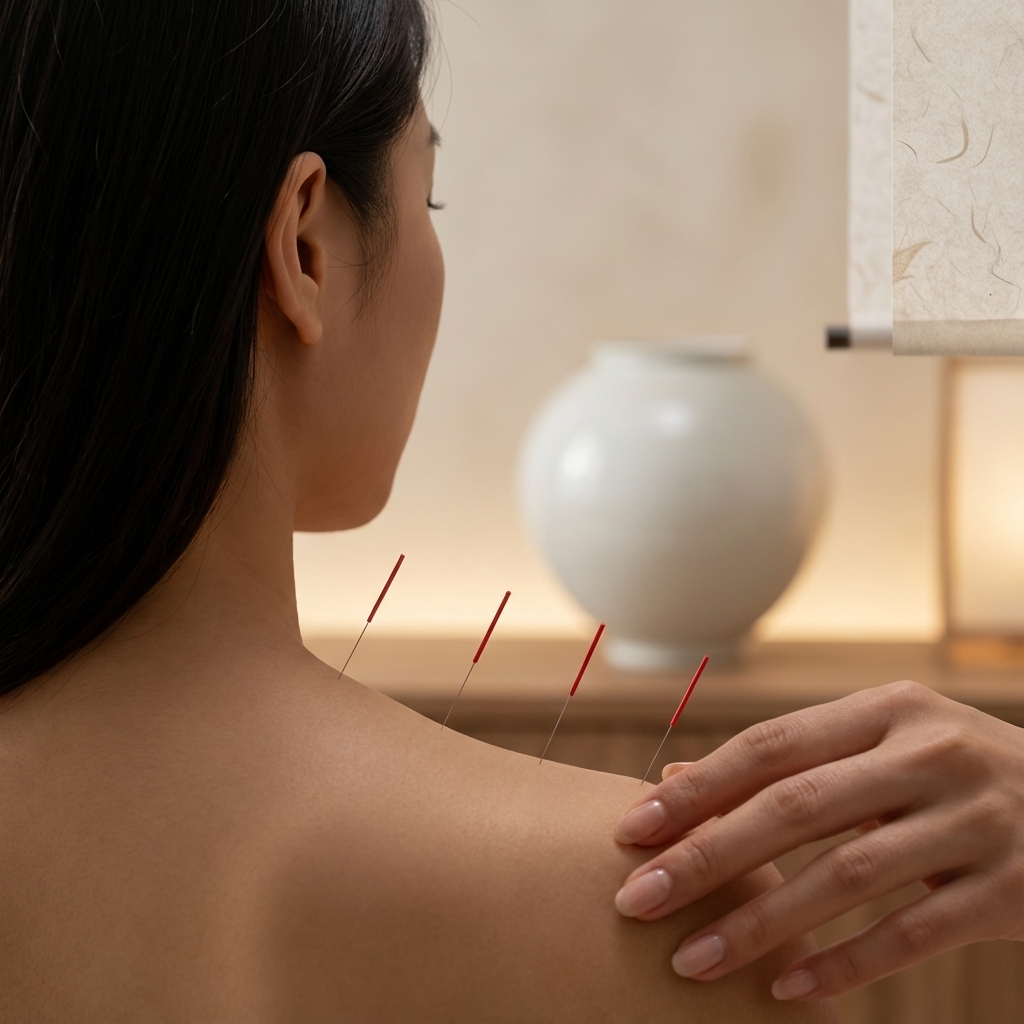
Pes Anserine Bursitis
Pes Anserine Bursitis
Pestilence and bursitis causing pain below the inner side of the knee
# Possibility / Realistic Goals (2)
Q I have pes anserinus tendinitis; do I have to stop exercising completely? As an office worker, I don't want to miss out on my gym workouts.
A. During the acute inflammatory phase, you should avoid irritating movements, but a complete halt to exercise is not necessary. You can continue swimming (excluding breaststroke), upper body exercises, and light stretching, and you can gradually resume lower body exercises depending on the progress of your treatment. Maintaining appropriate exercise helps preserve muscle strength and facilitates a quick return.
View details →Q I work in Dong-gu, Incheon, and sit all day, so I developed pes anserinus tendinitis. Is treatment effective for office workers?
A. In occupations that involve sitting for long periods, such as office work, continuous pressure is applied to the pes anserinus attachment site due to the maintenance of knee flexion; however, because there is less impact stimulation, the response to treatment tends to be relatively fast. Combining ergonomic posture correction tailored to the work environment with intermittent stretching further enhances treatment effectiveness.
View details →# Comorbidities (1)
# Lifestyle Management (2)
Q Are there any self-care methods I can perform at home during treatment for pes anserinus tendinitis?
A. During the acute phase, applying a cold compress for 15 minutes, 2 to 3 times a day, helps reduce swelling. Placing a cushion under the knee to keep it elevated above the heart is also beneficial. During the recovery phase, gradually add hamstring and calf stretches, as well as quadriceps strengthening exercises. Avoid postures that apply direct pressure to the inside of the knee.
View details →Q I have pes anserinus tendinitis; will losing weight really help? How much weight should I lose?
A. Losing 5–10% of your body weight reduces the load on the knees by 4–8 times compared to walking on flat ground, significantly reducing irritation to the bursa. Weight management is a key factor in enhancing treatment effectiveness, especially for those with a BMI of 25 or higher. It is recommended to start with swimming or aqua exercises, which place less strain on the knees.
View details →# Safety (1)
# Drug Combination / Interactions (1)
# Prognosis / Recovery (2)
Q Can pes anserinus tendinitis be completely cured with treatment? How long does it take?
A. The general recovery period is about 4 to 6 weeks for mild cases and 2 to 3 months for moderate cases. It may take longer if accompanied by degenerative arthritis or obesity, but complete recovery is fully possible with appropriate treatment and lifestyle modifications. Stopping treatment or repeating irritating movements increases the recurrence rate.
View details →Q Can pes anserinus tendinitis be cured without surgery? When is surgery necessary?
A. More than 90% of pes anserinus tendinitis cases recover with non-surgical treatment. Surgery (bursectomy) is considered only in extremely rare cases where there is no response to conservative treatment for more than 6 months or when the bursa is severely hypertrophied or calcified. In most cases, a return to daily life is possible with sufficient non-surgical treatment.
View details →# Causes Explained (2)
Q I am a housewife in my 50s, and the area below the inner side of my knee keeps hurting when going up and down stairs. What causes pes anserinus tendinitis?
A. Pes anserinus tendinitis is a condition in which inflammation occurs in the bursa due to accumulated overload at the common attachment site of the sartorius, gracilis, and semitendinosus muscles located beneath the inner side of the knee. It is prone to occur if one frequently uses stairs or repeatedly adopts a posture where the knee leans inward. Overweight, degenerative changes in the knee, and flat feet are also major risk factors.
View details →Q I am a man in my 30s working as a delivery driver in Dong-gu, Incheon. My inner knee has been throbbing from riding a motorcycle for a long time; is this related to pes anserinus tendinitis?
A. Maintaining a bent-knee posture for extended periods, such as while riding a motorcycle or bicycle, applies continuous tension to the muscles attaching to the pes anserinus, causing repeated irritation of the bursa. Additionally, the risk increases if the knee leans inward during uphill or downhill delivery environments. Since symptoms are prone to becoming chronic due to the nature of the job, early management is crucial.
View details →# Food / Triggers (2)
Q Are there any foods that are bad for goosefoot tendinitis? I heard that alcohol or flour makes the inflammation worse.
A. Alcohol and refined carbohydrates (flour and sugar) can exacerbate bursal inflammation by promoting systemic inflammatory responses. The same applies to foods high in saturated fat, such as fried foods and processed meats. On the other hand, an anti-inflammatory diet centered on vegetables, fish, and nuts helps lower inflammation markers.
View details →Q Pesces tendinitis has recurred during exercise. Which movements cause the most irritation?
A. Squats, stair climbing, and running that involve deep knee bending place significant tension on the pes anserinus attachment, making them major causes of recurrence. Particular caution should be exercised regarding movements where the knee leans inward relative to the toes, as well as impacts when descending inclines. The general rule is to gradually increase exercise intensity only after the pain has completely subsided.
View details →# Treatment Schedule (1)
# Treatment Stages (2)
Q In what order is pes anserinus tendinitis treated at a Korean medicine clinic? I am curious about what is done during a first visit.
A. During the initial consultation, we conduct a medical history, tongue diagnosis, and pulse diagnosis, along with knee palpation and functional evaluation. Subsequently, treatment proceeds in a three-stage sequence: acute inflammation control (acupuncture, pharmacopuncture) → structural restoration (straight needles, fire needles) → regeneration enhancement (thread threads, herbal medicine). The treatment content is flexibly adjusted according to the progress of each stage.
View details →Q What role does herbal medicine play in pes anserinus tendinitis? Is acupuncture alone insufficient?
A. While acupuncture directly addresses local inflammation and pain, herbal medicine plays a role in preventing recurrence by altering the body's internal environment of dampness, phlegm, and blood stasis. The two treatments are complementary, and combining them with herbal medicine significantly enhances treatment efficacy in cases of moderate to severe severity or frequent recurrences.
View details →# Effectiveness (2)
Q Is treatment at a Korean medicine clinic actually effective for pes anserinus tendinitis? I heard at the hospital that I just need to get injections.
A. Steroid injections provide rapid short-term pain relief, but repeated injections carry a risk of soft tissue weakening. Korean medicine treatment has a strength in lowering the recurrence rate by using acupuncture, moxibustion, and pharmacopuncture to reduce inflammation in the bursa while simultaneously promoting the recovery of surrounding muscle and ligament function. Combining these two approaches according to the situation is the most efficient approach.
View details →Q I am in my 60s and have degenerative arthritis, and I have also developed pes anserinus tendinitis. Can both conditions be improved with treatment at a Korean medicine clinic?
A. It is very common for degenerative arthritis and pes anserinus tendinitis to occur together. Korean medicine treatment is beneficial for both conditions by improving blood circulation around the joint cartilage and strengthening muscle and ligament functions. If an appropriate treatment plan is established based on the severity of symptoms, it is fully possible to recover daily functions.
View details →Pes Anserine Bursitis is not just a simple symptom
Korean medicine that considers both your constitution and lifestyle rhythm treats the root cause.
From consultation to precise treatment, we provide personalized care.
Prescriptions tailored to your constitution and symptoms treat the root cause
The director personally sees you from first to follow-up visits
We identify the essence through Sasang constitution, pulse and abdominal diagnosis
Treatment based on long clinical experience and evidence
Was this helpful? If you need accurate care for your condition, please contact us below.