

Q I am a 58-year-old male. I have been advised to have spinal surgery, but I am scared and hesitant. In what cases is it possible to manage the condition with Korean medicine treatment without surgery?
A Unless there are absolute indications for surgery, such as progressive paralysis or bowel and bladder dysfunction, most cases of chronic low back pain are well worth attempting conservative treatment. In fact, a significant number of cases where surgery is recommended improve with non-surgical treatment, and guidelines also recommend prioritizing conservative treatment unless it is an emergency. However, regular follow-up monitoring must be performed in parallel.
Detailed Answer
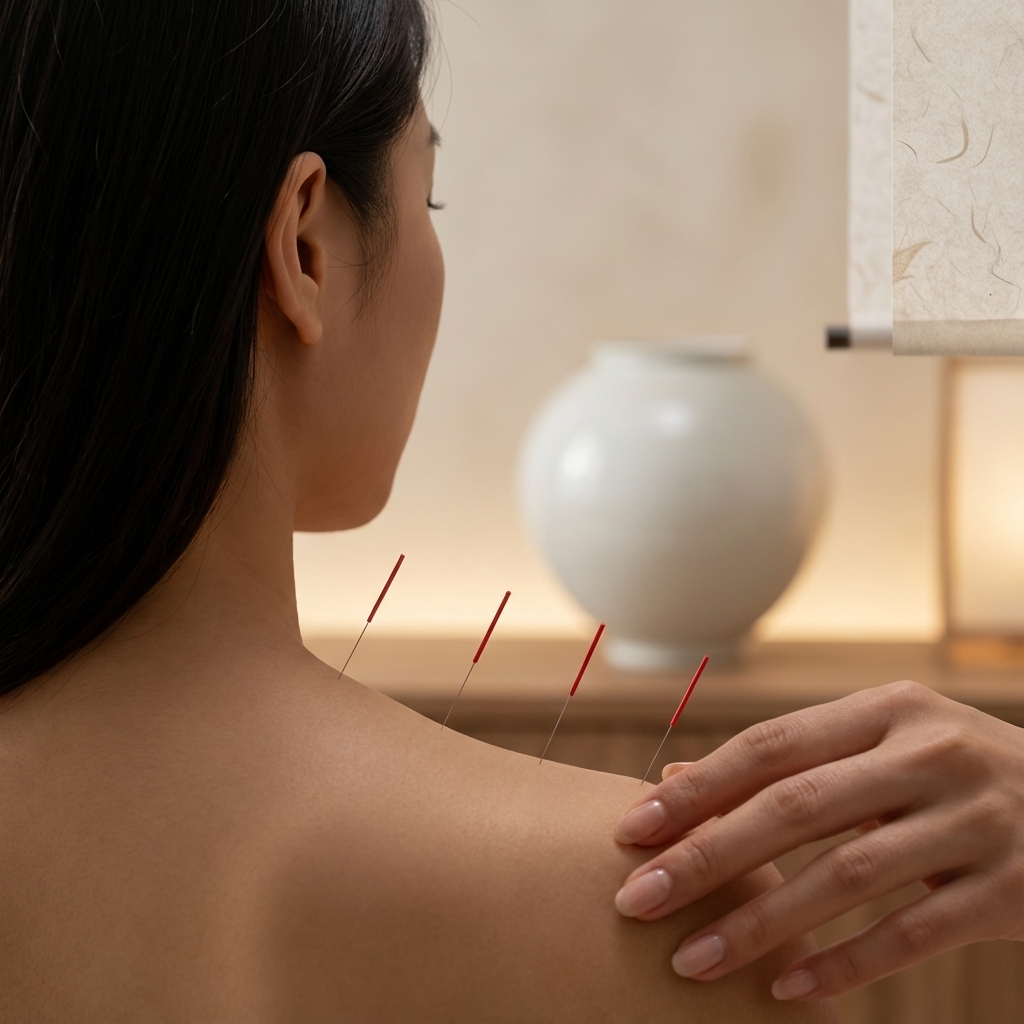
Clear indications for spinal surgery are limited to progressive muscle paralysis, cauda equalis syndrome (bowel and bladder dysfunction and decreased sensation in the saddle area), and unbearable neuropathic pain that does not respond to conservative treatment. Since there are many studies showing that the long-term outcomes of surgery and conservative treatment do not differ significantly for non-specific chronic low back pain or moderate stenosis and disc herniation, major guidelines recommend systematic conservative treatment for 6 weeks to 3 months or more first. However, the progression of paralysis must be monitored even during conservative treatment, and a surgical re-evaluation is necessary if the condition worsens. From the perspective of Korean medicine, surgery is a treatment that alters the structure, whereas conservative treatment is a treatment that changes the state of the Qi, blood, and tissues surrounding that structure. Even with the same findings of stenosis, there are many cases where symptoms can be managed without surgery by releasing adhesions in the surrounding fascia with needle acupuncture, reinforcing stretched ligaments with thread embedding and fire acupuncture, and reducing inflammation around the nerves with pharmacopuncture. Dongjedang adds internal treatment to this. Chronic lower back pain in the late 50s is often caused by the accumulation of blood stasis on a foundation of kidney deficiency; therefore, we use herbal medicine tailored to the patient's constitution to clear out blood stasis and dampness, and to nourish the liver and kidneys to boost the tissue's regenerative capacity. We believe the responsibility of conservative treatment extends to objectifying treatment responses through ultrasound and symptom tracking, and honestly recommending a surgical evaluation if there is no improvement or warning signs are observed.
Related FAQs
-
Q
I am a 67-year-old woman who has had back pain for 20 years. At this age, can such long-standing pain be treated and improved? Is it too late?
#Possibility / Realistic Goals
-
Q
I am a 45-year-old female academy instructor. I have chronic lower back pain and numbness in my legs. As the pain has persisted, I have also developed depression and insomnia. Do you address these issues as well?
#Comorbidities
-
Q
I am a 52-year-old male civil servant. There is conflicting information regarding whether walking or swimming is good for the back; what exercise is actually helpful for chronic lower back pain?
#Lifestyle Management
-
Q
I am a 40-year-old female nurse. My lower back hurts the most when I wake up. Do sleeping positions or mattresses affect chronic lower back pain? How should I sleep?
#Lifestyle Management
-
Q
I am a 60-year-old woman. I have heard that treatments like moxibustion or bee venom therapy are effective, but aren't they dangerous? I have diabetes, so I am worried about whether it is safe for me to receive them.
#Safety