
Q I am a 25-year-old graduate student. I carry a heavy backpack filled with my laptop and books every day, and my arms feel particularly numb on days I wear it. Can a backpack worsen thoracic outlet syndrome?
A Yes, heavy backpacks are a major aggravating factor. This is because the shoulder straps press directly against the clavicle area and pull the shoulders down, narrowing the thoracic outlet space. Reducing the weight of the bag, using both straps, and distributing the load with a chest strap can be helpful.
Detailed Answer
The shoulder straps of a backpack directly compress the space between the clavicle and the first rib from above, and as the weight pulls the shoulders downward, it tractions the brachial plexus passing through the thoracic outlet. Crossbody or shoulder bags worn on one side are even more harmful due to asymmetrical compression. It is recommended to reduce the weight of your bag to within 10% of your body weight, distribute the load using the side straps as well as the chest and waist straps, and utilize a suitcase for long-distance travel.
Perspective of a Korean Medicine Clinic
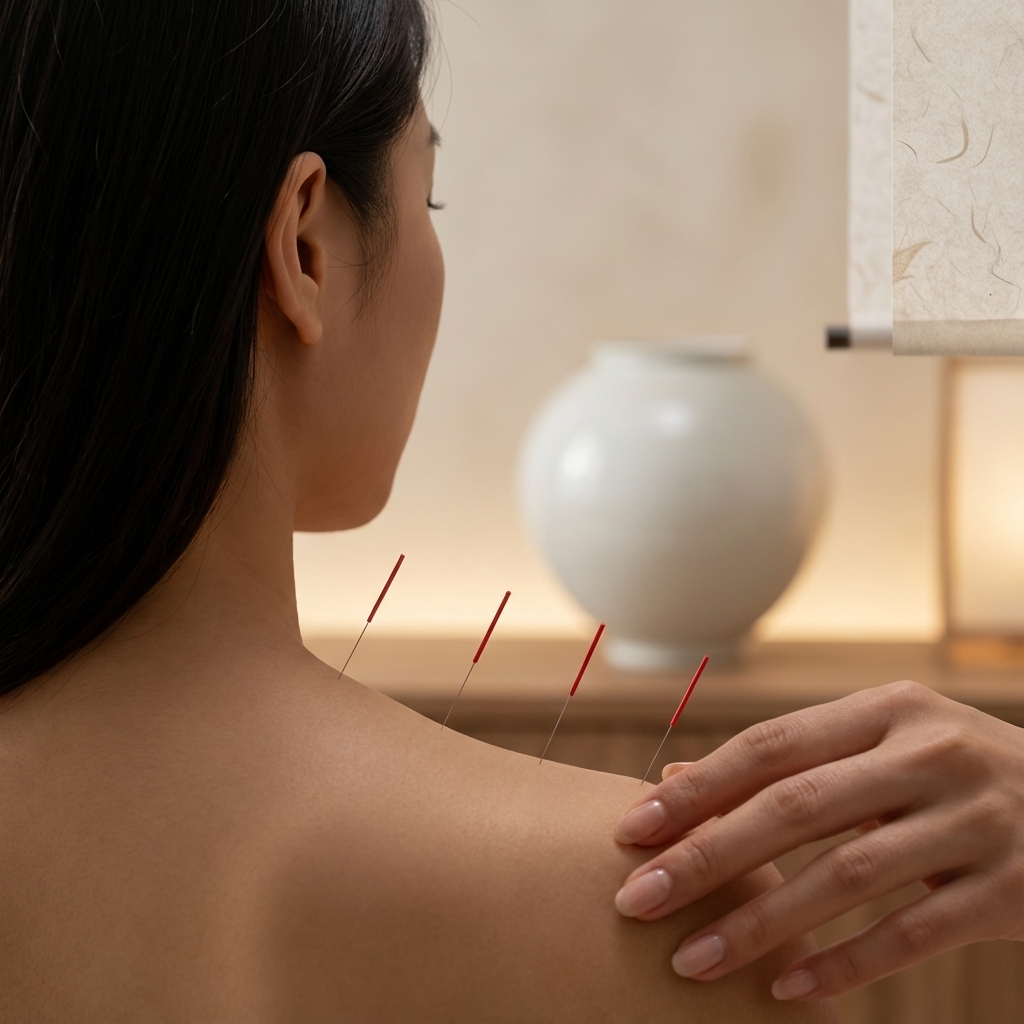
In Korean medicine, repeated external pressure is akin to constricting the pathways through which Qi and blood flow. The area below the clavicle is the starting point where circulation spreads from the chest to the arms; if this area is compressed, the flow becomes blocked, and over time, the blood hardens into stagnant blood. At Dongjedang, we use acupuncture to release tension in already hardened scalene and pectoralis minor muscles. If adhesions have progressed, we separate them using fine needles. We combine this with herbal medicine treatment to flush out waste products and excess fluid accumulated from academic stress and irregular eating habits. Since the prognosis is better for younger individuals once circulation is restored, correcting bag habits and combining treatment can effectively prevent the condition from becoming chronic.
Related FAQs
-
Q
I am a 46-year-old welder. I was told at the hospital that if my symptoms persist, surgery should be considered. Is there really a possibility of improvement without surgery through Korean traditional medicine treatment?
#Possibility / Realistic Goals
-
Q
I am a 58-year-old seamstress. I have suffered from arm numbness since my 30s, so it has been over 20 years. Can I get better if I start treatment now, even with such long-standing thoracic outlet syndrome?
#Possibility / Realistic Goals
-
Q
I am a 50-year-old factory worker. My MRI showed a herniated cervical disc, and I am also suspected of having thoracic outlet syndrome. How is treatment handled when both are present? Which side should be examined first?
#Comorbidities
-
Q
I am a 29-year-old marketer. Are there any stretches for thoracic outlet syndrome that I can do in my spare time at work? I am currently receiving treatment, but I would also like to manage it myself.
#Lifestyle Management
-
Q
I am a 55-year-old restaurant owner in Dongincheon. I keep waking up at night because my arm feels numb. I’ve heard it is due to thoracic outlet syndrome; what position should I sleep in to reduce the numbness?
#Lifestyle Management