
Q I am a 58-year-old seamstress. I have suffered from arm numbness since my 30s, so it has been over 20 years. Can I get better if I start treatment now, even with such long-standing thoracic outlet syndrome?
A Just because it is old does not mean treatment is impossible. However, since adhesions and tissue degeneration have progressed, recovery requires at least 3 to 6 months. It is also advisable to set a realistic goal of maintaining daily life without interference, rather than aiming for complete remission. After first checking for hand muscle atrophy, you can expect significant improvement through stepwise treatment.
Detailed Answer
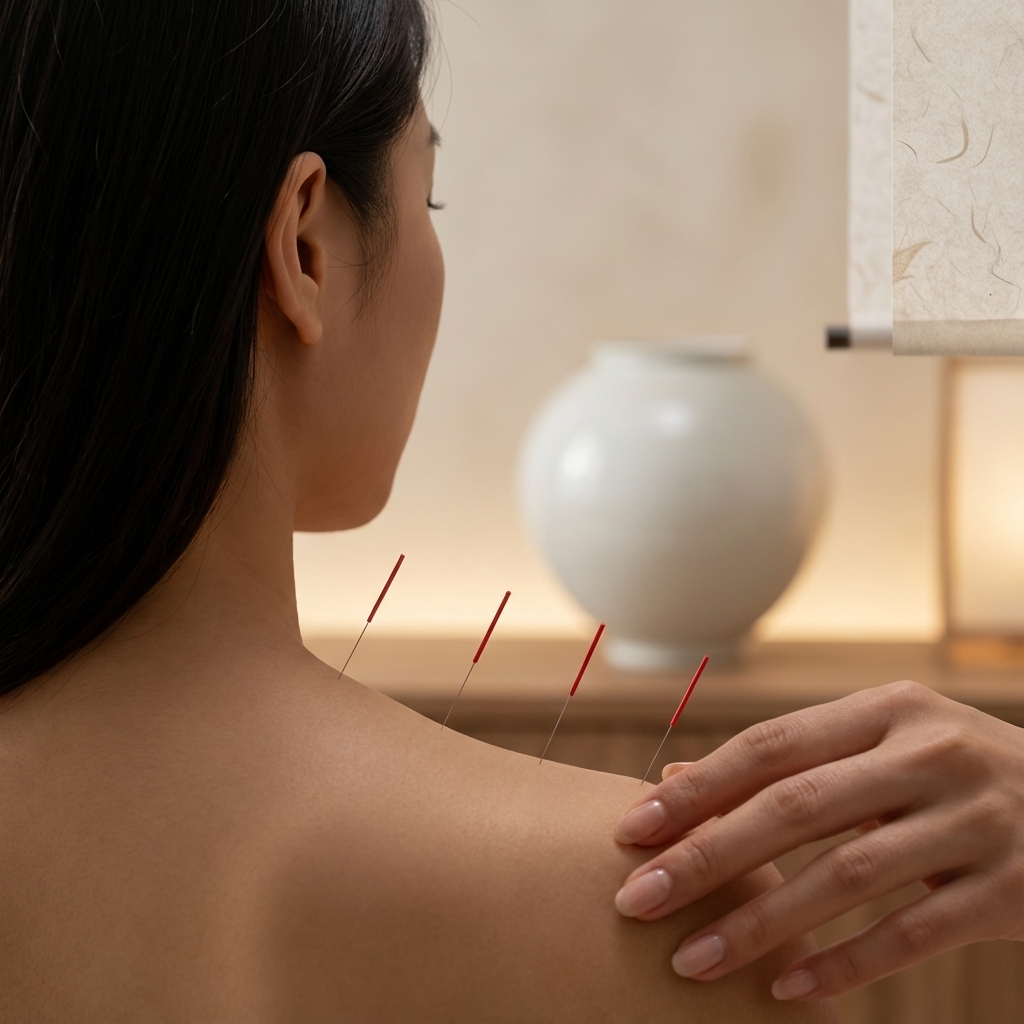
In chronic cases lasting over 20 years, there is a high likelihood of fibrosis of the scalene and pectoralis minor muscles and fixed adhesions around the nerve. The prognosis is determined by whether the nerve itself has undergone chronic degeneration. The starting point is to assess the extent of nerve damage by evaluating the distribution of intrinsic hand muscle atrophy and sensory loss. If there is no atrophy, there is certainly room for improvement through conservative treatment, even in chronic cases; however, restoring shortened tissues requires a longer duration (3 to 6 months or more) than in the acute phase. Simply reducing the intensity and frequency of pain and numbness by more than half significantly improves the quality of life. In Korean medicine, it is said that chronic illnesses cause stagnant blood to settle deep within the body. Twenty years of numbness is usually more than just simple stagnation; it is a complex state where weakness and blockages are intertwined, characterized by hardened stagnant blood and the depletion of the body's proper energy. Therefore, Dongjedang’s treatment for chronic cases follows a two-pronged approach. It involves external treatment that identifies hardened adhesions via ultrasound, detaches them with fine needles, and aids tissue regeneration through thermal stimulation acupuncture and the insertion of dissolvable sutures. It also includes constitution-tailored herbal medicine treatment that slowly flushes out decades of accumulated stagnant blood and waste while replenishing depleted energy and blood. If you proceed step by step at a pace that allows your body's recovery ability to keep up, rather than rushing through it, it is a disease that can definitely improve regardless of age or duration of the illness.
Related FAQs
-
Q
I am a 46-year-old welder. I was told at the hospital that if my symptoms persist, surgery should be considered. Is there really a possibility of improvement without surgery through Korean traditional medicine treatment?
#Possibility / Realistic Goals
-
Q
I am a 50-year-old factory worker. My MRI showed a herniated cervical disc, and I am also suspected of having thoracic outlet syndrome. How is treatment handled when both are present? Which side should be examined first?
#Comorbidities
-
Q
I am a 29-year-old marketer. Are there any stretches for thoracic outlet syndrome that I can do in my spare time at work? I am currently receiving treatment, but I would also like to manage it myself.
#Lifestyle Management
-
Q
I am a 55-year-old restaurant owner in Dongincheon. I keep waking up at night because my arm feels numb. I’ve heard it is due to thoracic outlet syndrome; what position should I sleep in to reduce the numbness?
#Lifestyle Management
-
Q
I am a 49-year-old bus driver. I am scared to have acupuncture needles inserted into the side of my neck. I heard that major blood vessels and nerves pass through that area; is moxibustion treatment safe?
#Safety