

Q I am a 44-year-old piano instructor. I suffered from thoracic outlet syndrome last year and improved, but recently the tingling sensation has started again. Is it common for this condition to recur? What should I do to prevent a recurrence?
A Thoracic outlet syndrome frequently recurs if the underlying posture and movements remain unchanged. This is because if you only alleviate the symptoms without correcting the shortening of the scalene and pectoralis minor muscles and postural habits, the same compression will repeat. To prevent recurrence, consistent maintenance of pectoral muscle stretching, scapular stabilization exercises, and corrected work posture is essential.
Detailed Answer
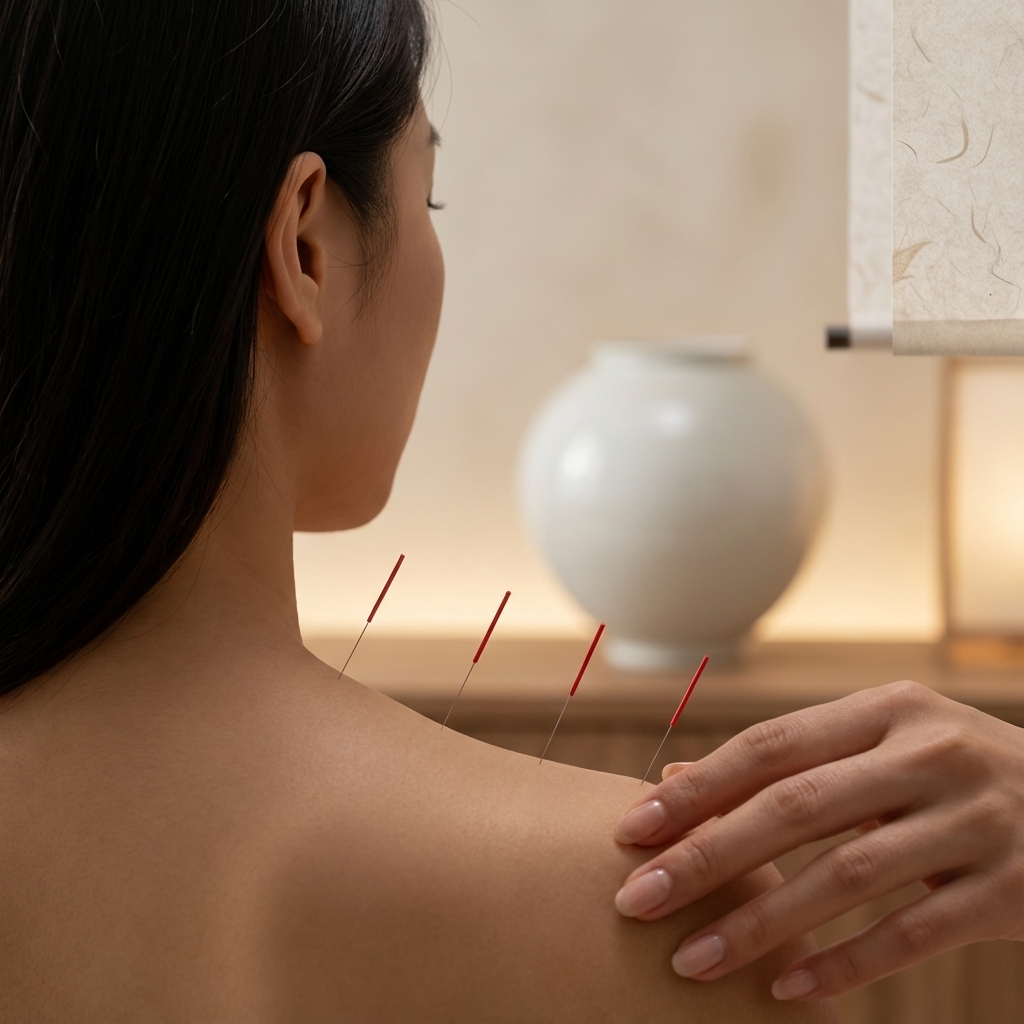
The core reason for recurrence is that the structural and functional conditions that created the compression remain intact. Movements like playing the piano, which involve extending and holding the arms forward, can easily lead to pectoralis minor shortening and rounded shoulders. Therefore, even after symptoms disappear, you must maintain pectoral muscle stretching and strengthening exercises for the lower trapezius and serratus anterior as a habit. It is also important to include a chest-opening break every 30 to 40 minutes during practice and to check the height of your music stand and chair. The key point in managing this condition is that the disappearance of symptoms is different from the resolution of the cause. Korean Medicine Clinic Perspective In Korean medicine, recurrence is viewed on two levels. One is that localized blood stasis and adhesions have not been fully released, and the other is that the underlying bodily condition causing the stagnation of Qi and blood (constitutional dampness and phlegm, weakness of vital energy) remains unchanged. At Dongjedang, especially in cases of recurrence, we use ultrasound to check for residual adhesions and further separate them with needles. We also aid tissue regeneration using fire acupuncture and thread embedding to strengthen ligaments and fascia. Simultaneously, we aim for a body where the same movements do not become blocked again by creating a foundation for smooth Qi and blood circulation through herbal medicine that empties dampness and blood stasis from the body and corrects the constitution. Completing follow-up treatments at intervals of 1 to 2 weeks, even after symptoms have disappeared, is a clinical strategy for lowering the recurrence rate.
Related FAQs
-
Q
I am a 46-year-old welder. I was told at the hospital that if my symptoms persist, surgery should be considered. Is there really a possibility of improvement without surgery through Korean traditional medicine treatment?
#Possibility / Realistic Goals
-
Q
I am a 58-year-old seamstress. I have suffered from arm numbness since my 30s, so it has been over 20 years. Can I get better if I start treatment now, even with such long-standing thoracic outlet syndrome?
#Possibility / Realistic Goals
-
Q
I am a 50-year-old factory worker. My MRI showed a herniated cervical disc, and I am also suspected of having thoracic outlet syndrome. How is treatment handled when both are present? Which side should be examined first?
#Comorbidities
-
Q
I am a 29-year-old marketer. Are there any stretches for thoracic outlet syndrome that I can do in my spare time at work? I am currently receiving treatment, but I would also like to manage it myself.
#Lifestyle Management
-
Q
I am a 55-year-old restaurant owner in Dongincheon. I keep waking up at night because my arm feels numb. I’ve heard it is due to thoracic outlet syndrome; what position should I sleep in to reduce the numbness?
#Lifestyle Management