
Q I am a 37-year-old mother who is not pregnant but is currently breastfeeding. I was diagnosed with Thoracic Outlet Syndrome because my arm became numb from carrying my second child. Is it safe to receive bee venom acupuncture or pharmacopuncture while breastfeeding?
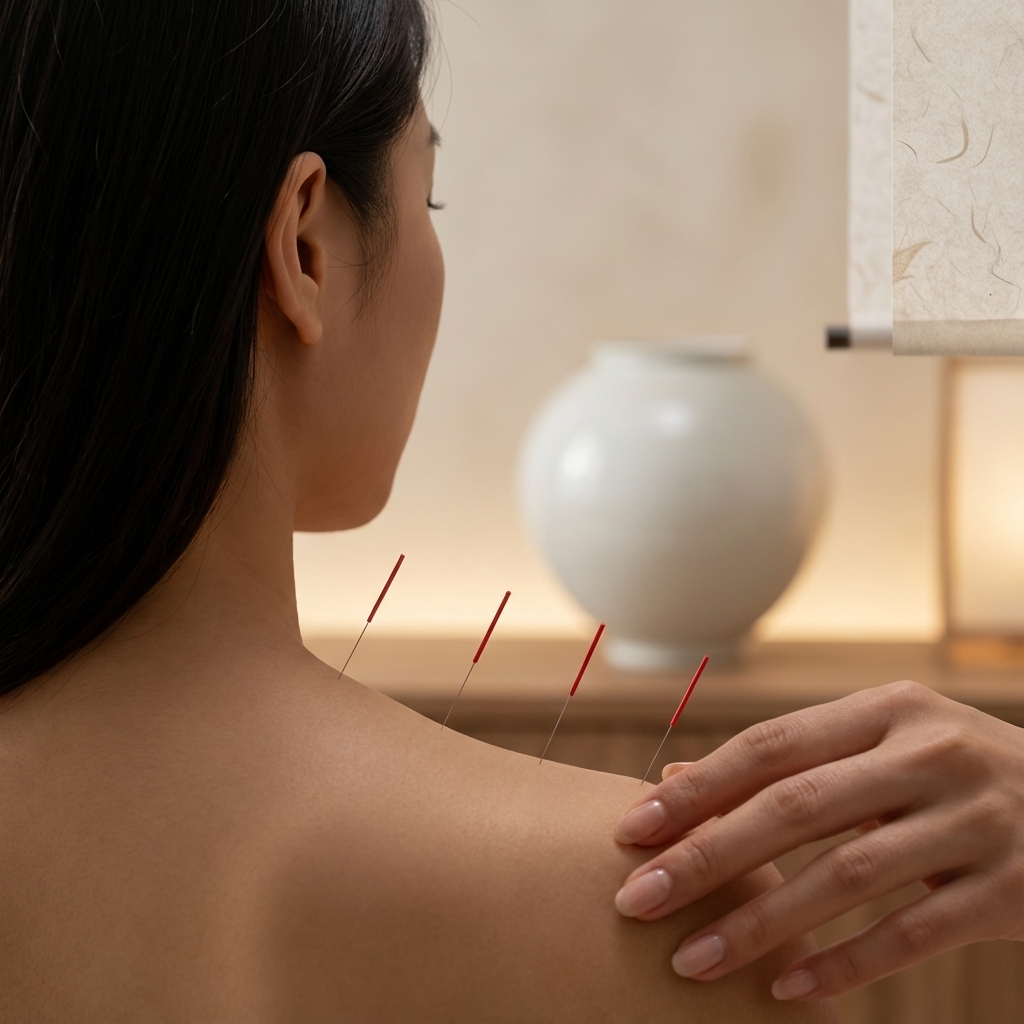
A Acupuncture treatment can be safely received even while breastfeeding. Bee venom acupuncture is administered starting with a small dose after a skin test to check for allergic reactions. During breastfeeding, treatment is generally administered conservatively, focusing primarily on acupuncture and low-irritation pharmacopuncture. If you inform us in advance that you are breastfeeding, we can design a treatment plan within a safe range.
Detailed Answer
The act of holding a child causes the shoulders to roll inward and places continuous load on the arms, making it a common trigger for Thoracic Outlet Syndrome. Regarding the safety of treatment during breastfeeding, acupuncture does not involve medication, so it does not affect breastfeeding. Pharmacopuncture involves applying a minute amount of purified herbal ingredients locally, so systemic transfer is minimal; however, for breastfeeding mothers, we conservatively select low-irritation formulations. For bee venom acupuncture, an allergic skin test is performed first for everyone, and for breastfeeding mothers, it is used at the minimum dose only when the necessity is clear. It is important to disclose the fact of breastfeeding before treatment, taking into account the possibility of using medications such as antihistamines.
Perspective of a Korean Medicine Clinic
In Korean medicine, the postpartum and breastfeeding period is a time when Qi and blood are significantly depleted; consequently, numbness can easily occur even with the same pressure, and recovery is slow. Therefore, the principle of treatment during this period is to facilitate gentle circulation rather than forceful treatment. At Dongjedang, we base our approach on low-stimulation external treatment for breastfeeding mothers, using acupuncture to relieve tension in the scalene and pectoralis minor muscles and thermal stimulation to aid circulation. Invasive procedures, such as moxibustion, are carefully decided upon after considering both the breastfeeding situation and the severity of symptoms. Internal treatment also involves formulating prescriptions tailored to the patient's constitution using medicinal herbs safe for breastfeeding to replenish Qi and blood while dissolving blood stasis. Combining this with correcting the posture of holding the baby (supporting with the torso rather than the arms, adjusting the height of the baby carrier) significantly prolongs the treatment's effectiveness.
Related FAQs
-
Q
I am a 46-year-old welder. I was told at the hospital that if my symptoms persist, surgery should be considered. Is there really a possibility of improvement without surgery through Korean traditional medicine treatment?
#Possibility / Realistic Goals
-
Q
I am a 58-year-old seamstress. I have suffered from arm numbness since my 30s, so it has been over 20 years. Can I get better if I start treatment now, even with such long-standing thoracic outlet syndrome?
#Possibility / Realistic Goals
-
Q
I am a 50-year-old factory worker. My MRI showed a herniated cervical disc, and I am also suspected of having thoracic outlet syndrome. How is treatment handled when both are present? Which side should be examined first?
#Comorbidities
-
Q
I am a 29-year-old marketer. Are there any stretches for thoracic outlet syndrome that I can do in my spare time at work? I am currently receiving treatment, but I would also like to manage it myself.
#Lifestyle Management
-
Q
I am a 55-year-old restaurant owner in Dongincheon. I keep waking up at night because my arm feels numb. I’ve heard it is due to thoracic outlet syndrome; what position should I sleep in to reduce the numbness?
#Lifestyle Management