
Q I am a 58-year-old housewife who has had postherpetic neuralgia for two years. Should I just give up now? Can I get better with Korean traditional medicine treatment?
A Even chronic postherpetic neuralgia that persists for more than two years after onset can respond to treatment. It is more realistic to aim for reducing pain intensity and restoring daily living functions rather than seeking a complete cure. Korean traditional medicine focuses on improving quality of life and preventing pain exacerbation by reducing remaining inflammatory signals and central sensitization, rather than directly supporting nerve regeneration. It is important to approach this consistently by adjusting goals step by step rather than giving up.
Detailed Answer
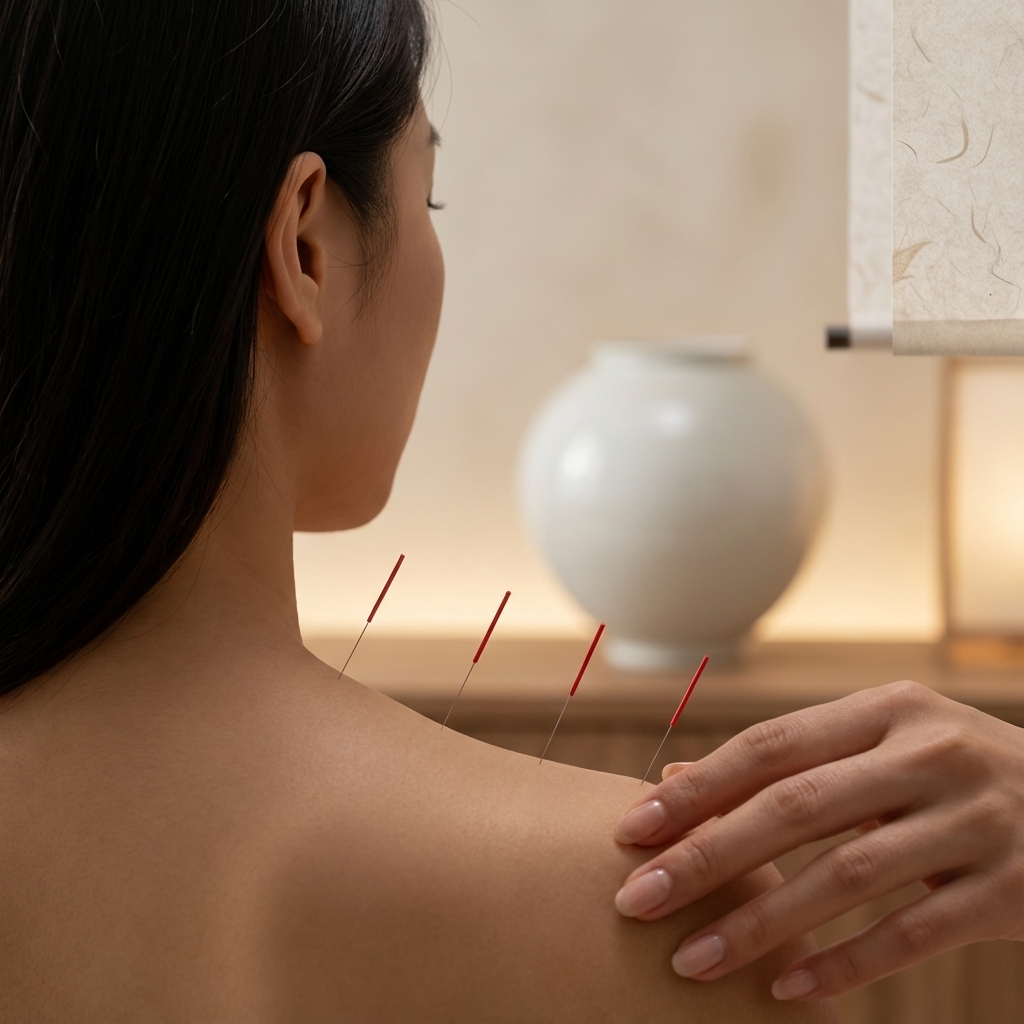
While postherpetic neuralgia tends to improve naturally over time, there is a risk of it becoming chronic neuropathic pain if it persists for more than two years. At this stage, the key to treatment is alleviating central sensitization and regulating pain signals, rather than structurally repairing nerve damage. If the response to medications such as pregabalin or gabapentin is poor, interventional procedures such as spinal cord stimulation (SCS) are considered. Nevertheless, rather than the complete elimination of pain, we set realistic goals of reducing VAS scores by more than 50% and improving sleep and activity functions. From the perspective of a Korean medicine clinic, chronic post-herpetic neuralgia is viewed as a complex condition where excess and deficiency are intermingled, resulting from the overlapping of long-standing blood stasis and damage to vital energy. In such cases, rather than urgently removing blood stasis, a principle of gradual approach is applied to replenish the deficiency of the liver and kidneys while slowly eliminating residual toxins. Dongjedang employs a method that replenishes Qi and blood with herbal medicine tailored to the patient's constitution, forcibly opens local blood circulation with fire acupuncture, and supports the regeneration of tissues surrounding the nerves with thread embedding. Many chronic patients with over two years of treatment also experience improved sleep and reduced pain frequency after treatment.
Related FAQs
-
Q
I am a 52-year-old housewife who wants to stop taking Gabapentin because the side effects (dizziness and drowsiness) are severe. Can I manage the pain with only Korean traditional medicine treatment?
#Possibility / Realistic Goals
-
Q
I am a 39-year-old delivery driver whose whole body aches, and I am unable to work because even the slightest touch of my collar causes pain. Will I be able to return to work after treatment?
#Possibility / Realistic Goals
-
Q
I am a 59-year-old self-employed individual. Since my pain has been long-standing, I feel depressed and anxious, so I am also taking medication from a psychiatric clinic. Is it okay to combine this with traditional Korean medicine treatment?
#Comorbidities
-
Q
I am a 56-year-old housewife who cannot sleep at night due to pain. Are there any lifestyle management tips to improve my sleep?
#Lifestyle Management
-
Q
I am a 42-year-old delivery driver, and the pain gets much worse when exposed to wind or cold air. How should I manage this?
#Lifestyle Management