

Q I am a 39-year-old delivery driver whose whole body aches, and I am unable to work because even the slightest touch of my collar causes pain. Will I be able to return to work after treatment?
A Even in cases where severe allodynia makes occupational activity difficult, a significant number of patients achieve a return to work after intensive treatment. While the likelihood of returning to work varies depending on pain intensity, duration of onset, and occupational characteristics, systematic integrated treatment often leads to improvement to a workable level within 4 to 8 weeks. If the nature of the job involves frequent physical contact, it is advisable to plan for protective gear and work method adjustments in parallel with treatment.
Detailed Answer
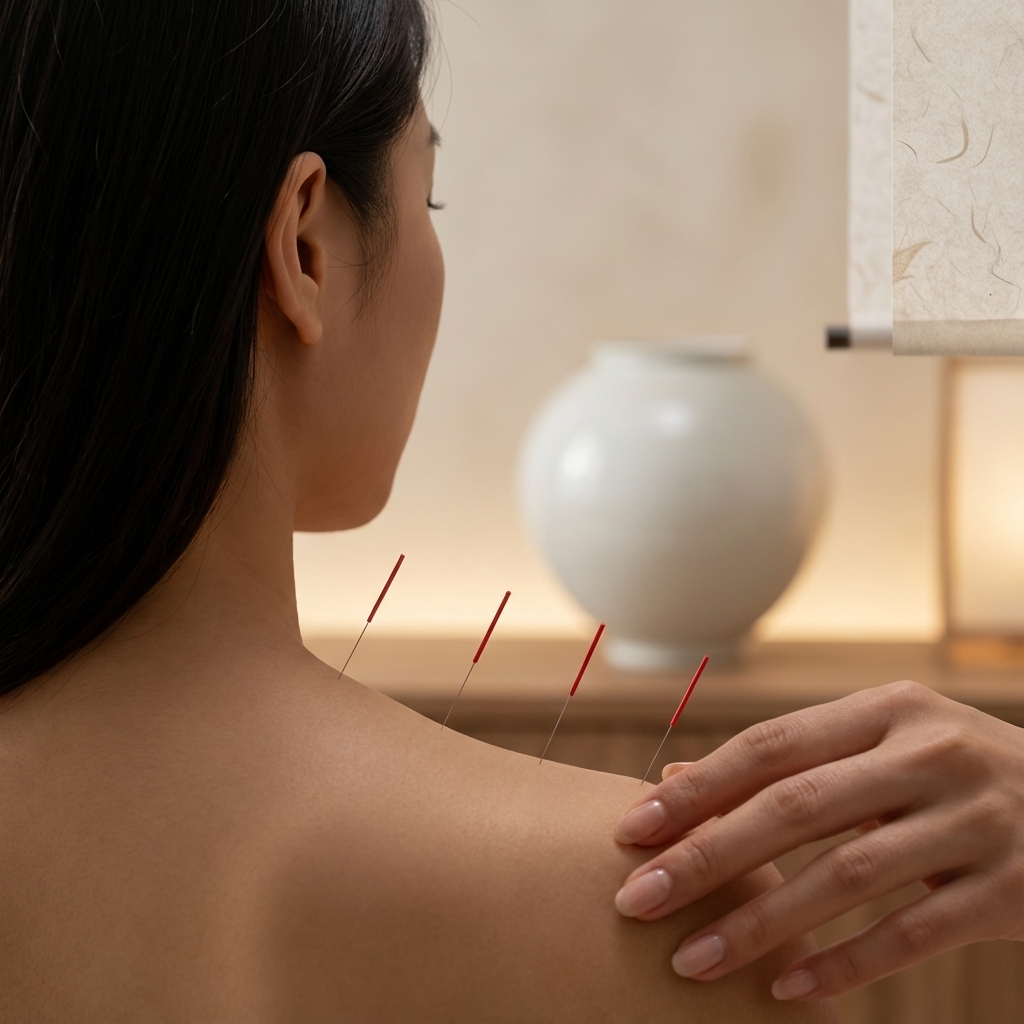
Return to work (RTW) is one of the important functional goals of PHN treatment. In patients with severe allodynia, the biggest factors hindering RTW are contact and clothing irritation. It is more realistic to set the treatment goal as "restoring the threshold to an acceptable level of contact" rather than "elimination of allodynia." Combining pregabalin, lidocaine patches, and nerve blocks can lead to a reduction in pain VAS of over 50% and functional recovery within 8 to 12 weeks. For manual labor occupations, it is also necessary to verify eligibility for industrial accident compensation from the Korea Workers' Compensation Service or special calculation exceptions under the National Health Insurance. At Dongjedang, we set return to work as a specific treatment goal. For occupations where external stimuli are unavoidable, such as delivery work, reducing abnormal pain is the top priority; therefore, we focus on raising the sensory threshold of affected nerve segments using acupuncture and pharmacopuncture. We provide guidance on protective methods to minimize compression and contact during treatment and support a phased return plan that sets the timing for resuming work in collaboration with a doctor. Often, once Qi and blood circulation is restored, skin sensory abnormalities decrease first, followed by a reduction in pain frequency.
Related FAQs
-
Q
I am a 52-year-old housewife who wants to stop taking Gabapentin because the side effects (dizziness and drowsiness) are severe. Can I manage the pain with only Korean traditional medicine treatment?
#Possibility / Realistic Goals
-
Q
I am a 59-year-old self-employed individual. Since my pain has been long-standing, I feel depressed and anxious, so I am also taking medication from a psychiatric clinic. Is it okay to combine this with traditional Korean medicine treatment?
#Comorbidities
-
Q
I am a 56-year-old housewife who cannot sleep at night due to pain. Are there any lifestyle management tips to improve my sleep?
#Lifestyle Management
-
Q
I am a 42-year-old delivery driver, and the pain gets much worse when exposed to wind or cold air. How should I manage this?
#Lifestyle Management
-
Q
My 73-year-old mother has hypertension and osteoporosis. Is acupuncture or pharmacopuncture safe for her?
#Safety