
Q I am a 59-year-old self-employed individual. Since my pain has been long-standing, I feel depressed and anxious, so I am also taking medication from a psychiatric clinic. Is it okay to combine this with traditional Korean medicine treatment?
A While combining antidepressants and anxiety medications with traditional Korean medicine is generally possible, you must inform the doctor of any medications you are currently taking. SSRI and SNRI antidepressants may interact with certain herbal ingredients. Since chronic pain and depression/anxiety exacerbate each other, an integrated approach that addresses both simultaneously is the most effective.
Detailed Answer
The rate of accompanying depression in patients with PHN is 2 to 3 times higher than in the general population. The common pathways for the co-occurrence of chronic pain and depression include abnormalities in the hypothalamic-pituitary-adrenal axis, elevated inflammatory cytokines, and serotonin and norepinephrine deficiencies. SNRIs such as duloxetine and venlafaxine are effective for both neuropathic pain and depression, making them particularly suitable for depression associated with PHN. When combining this with Oriental medicine treatment, caution is required with herbal medicines containing St. John's wort (such as *Hamhamcho*), as they can lower SSRI levels by inducing CYP enzymes; you must also inform your attending Oriental medicine doctor of all psychiatric medications you are taking.
Oriental Medicine Clinic Perspective
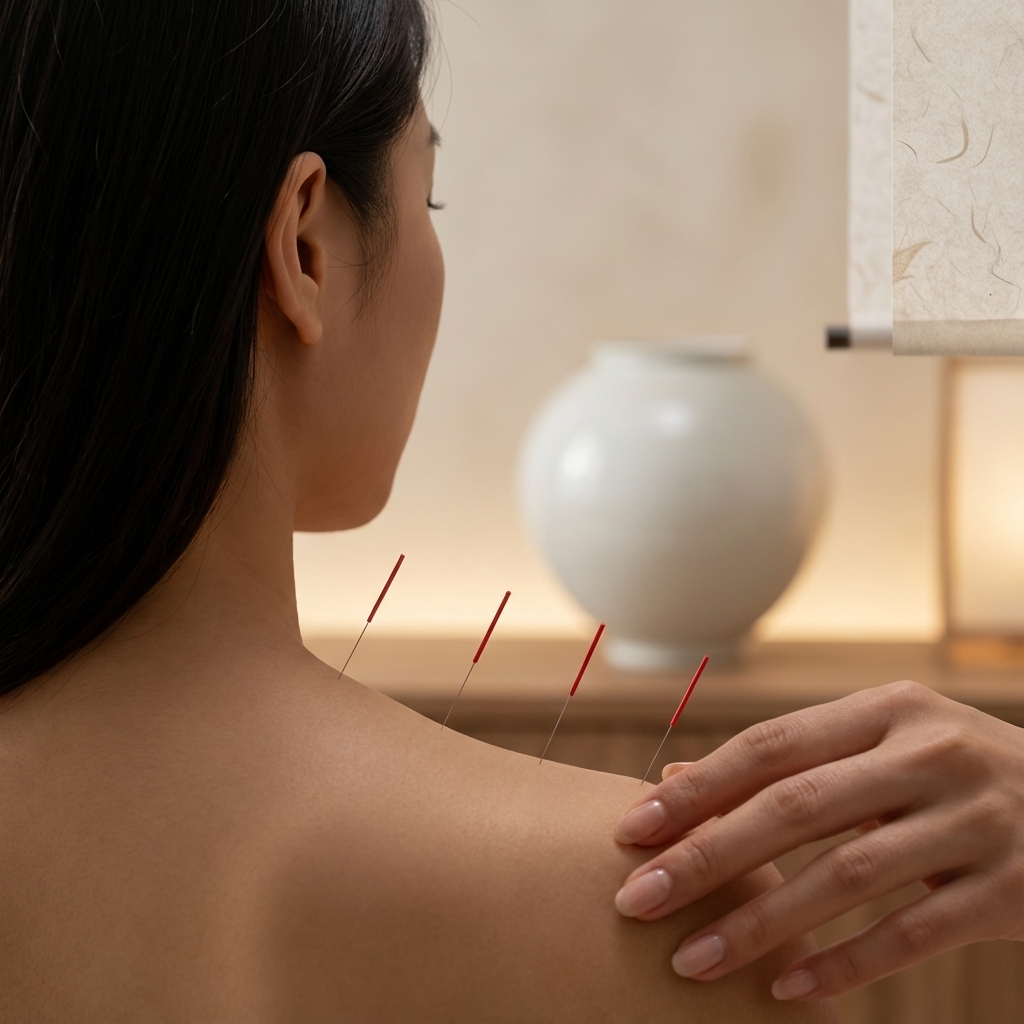
In Oriental medicine, the coexistence of chronic pain and emotional disorders is explained as a state where energy is blocked, weakening the ability to compose oneself, and where the mind and body are unstable and have lost stability. This represents a condition where stagnant blood and energy rise upwards, affecting the chest area. At Dongjedang, we identify existing medications and design prescriptions within a scope that does not interfere with psychiatric treatment. By incorporating acupuncture points that stabilize the mind into treatment and employing a complex approach that stabilizes the mind and body while releasing stagnant blood, we create a pathway where pain, depression, and anxiety improve together. As physical pain decreases, a virtuous cycle begins where mental burdens are naturally alleviated as well.
Related FAQs
-
Q
I am a 52-year-old housewife who wants to stop taking Gabapentin because the side effects (dizziness and drowsiness) are severe. Can I manage the pain with only Korean traditional medicine treatment?
#Possibility / Realistic Goals
-
Q
I am a 39-year-old delivery driver whose whole body aches, and I am unable to work because even the slightest touch of my collar causes pain. Will I be able to return to work after treatment?
#Possibility / Realistic Goals
-
Q
I am a 56-year-old housewife who cannot sleep at night due to pain. Are there any lifestyle management tips to improve my sleep?
#Lifestyle Management
-
Q
I am a 42-year-old delivery driver, and the pain gets much worse when exposed to wind or cold air. How should I manage this?
#Lifestyle Management
-
Q
My 73-year-old mother has hypertension and osteoporosis. Is acupuncture or pharmacopuncture safe for her?
#Safety