
Golfer's Elbow
Golfer's Elbow
Medial epicondylitis, characterized by a throbbing pain on the inside of the elbow and pain when bending the wrist.
# Possibility / Realistic Goals (2)
Q I was advised to have surgery by an orthopedic surgeon. Can I avoid surgery through Korean traditional medicine treatment?
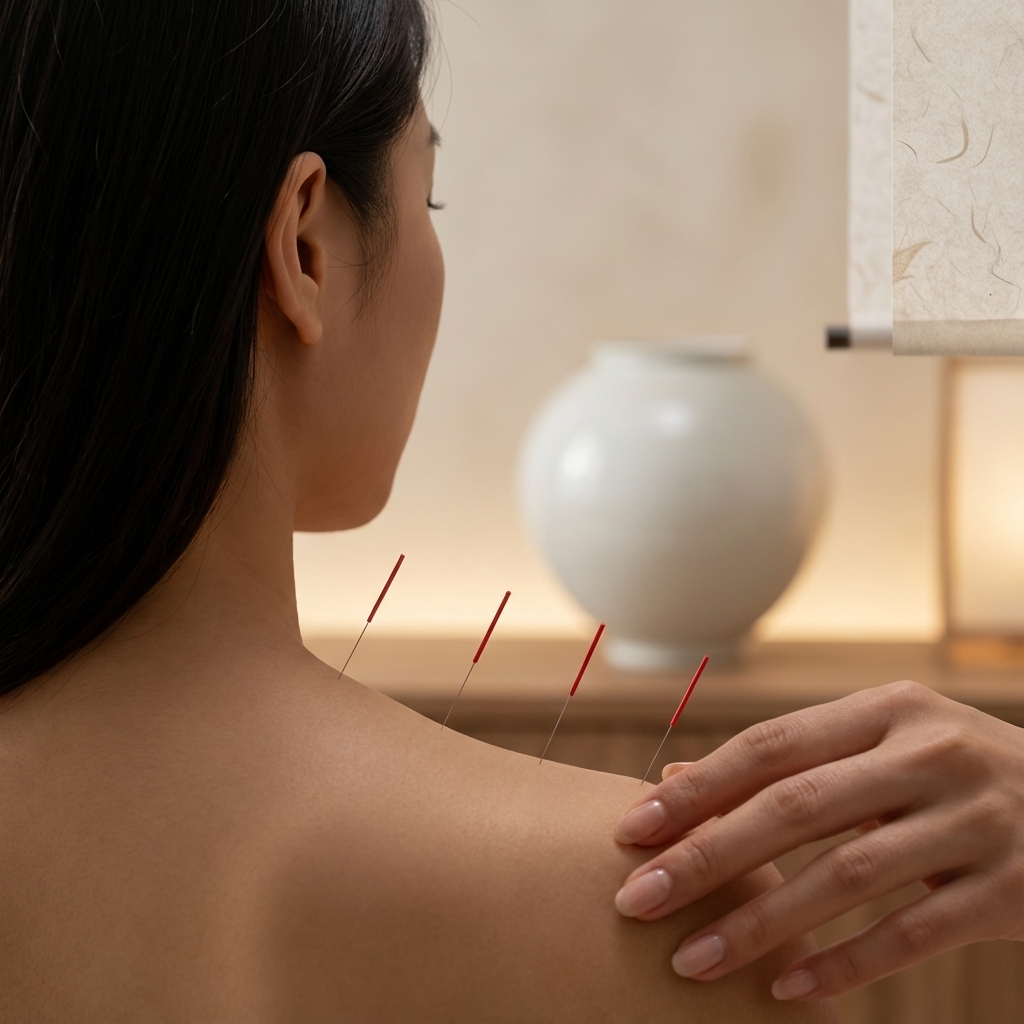
A. If the condition is in the stage of degenerative tendinosis rather than a complete tendon rupture, surgery can often be avoided through conservative treatment. Korean traditional medicine treatments, such as needle acupuncture and thread embedding, directly stimulate tendon regeneration, allowing for the non-invasive achievement of adhesion release effects similar to surgery. However, it is important to assess whether the condition is at a stage where Korean traditional medicine treatment is feasible after confirming the extent of the rupture using ultrasound or MRI.
View details →Q Is it possible to completely cure golfer's elbow? People around me say I have to live with it for the rest of my life.
A. Complete recovery from golfer's elbow is possible if active treatment is combined with rehabilitation exercises. The perception that you "have to live with it for the rest of your life" applies only when the treatment goal is pain relief, and the patient repeatedly overexerts themselves without performing tendon-strengthening rehabilitation. Once tendon regeneration and muscle strength recovery are complete, you will be able to perform activities just as you did before without pain.
View details →# Comorbidities (1)
# Lifestyle Management (2)
Q Are there any home care methods I can perform while treating golfer's elbow?
A. During treatment, it is recommended to combine icing (acute phase), an elbow brace, wrist stretching, and eccentric strengthening exercises in stages. During the acute pain phase, apply an ice pack 2 to 3 times a day for 15 to 20 minutes; once the pain subsides, switch to stretching to restore flexibility. Stretching should be performed in the flexion direction (rather than the extension direction of tennis elbow) to be effective for the medial tendon.
View details →Q Can I continue playing golf while undergoing treatment for golfer's elbow? I have a tournament scheduled.
A. While the principle is to take a complete break from golf during the acute phase, you can gradually resume swing practice once pain has decreased by more than 50%. Swing corrections are necessary, such as increasing grip thickness, switching to shock-absorbing grips, and minimizing wrist flexion at impact. If you have a tournament scheduled, you should increase the intensity of treatment and perform thorough warm-up exercises and taping immediately before the match.
View details →# Safety (1)
# Drug Combination / Interactions (1)
# Prognosis / Recovery (2)
Q How long does it take to recover from golfer's elbow with treatment? It is difficult for me to take time off work.
A. Depending on the duration and severity of symptoms, early-stage golfer's elbow typically takes 4 to 8 weeks, while chronic cases may take 3 to 6 months or more. Treatment is possible without taking time off work, and it can be carried out as an outpatient visit combined with movement pattern correction and the use of a brace. Consistent treatment and avoidance of triggering movements are key to a rapid recovery.
View details →Q My golf elbow, which had healed once, has recurred. Is it more difficult to treat when it recurs?
A. There is no evidence that recurrent golf elbow is more difficult to treat than the initial onset. However, since recurrence implies that tendon base fragility or triggering movements persist, it is important to combine treatment with correcting the underlying movements and performing tendon strengthening exercises. If you have returned to play before complete tissue recovery was achieved through previous treatment, the likelihood of recurrence increases; therefore, sufficient rehabilitation exercises must be performed even after the pain has subsided.
View details →# Causes Explained (2)
Q I am an office worker in my 40s, and the inside of my elbow constantly hurts because I play golf every weekend. Why is this pain occurring?
A. Golfer's elbow occurs when the tendons of the flexor and teres teres muscles, attached to the medial epicondyle on the inside of the elbow, undergo micro-tears due to repetitive impact. As wrist flexion and forearm pronation are repeated during a swing, an overload accumulates at the tendon origins, leading to degenerative changes. Pain is concentrated around the medial bony protrusion and may be accompanied by decreased grip strength and numbness in the fingers.
View details →Q I am a housewife in my 50s who does not play golf at all, but the inside of my elbow hurts. Is this golfer's elbow?
A. Contrary to its name, golfer's elbow can occur even if you do not play golf. Since it is caused by repetitive wrist flexion and forearm pronation, it can easily occur during daily household activities such as cooking, cleaning, and typing on a computer. For an accurate diagnosis, it is recommended to confirm the condition through the presence of tenderness at the medial epicondyle and resistance testing.
View details →# Food / Triggers (2)
Q Are there any foods I should avoid when I have golfer's elbow? I tend to drink alcohol frequently.
A. Alcohol exacerbates vascular inflammatory responses and interferes with collagen synthesis necessary for tendon tissue recovery. Spicy and processed foods can increase systemic inflammation levels, potentially worsening tendon pain. Foods that aid in tendon recovery include fish rich in omega-3, vegetables containing vitamin C, and cartilage broth, a source of collagen.
View details →Q What movements aggravate golfer's elbow? I use a computer for 8 hours a day for work.
A. All movements requiring wrist flexion, forearm pronation (twisting inward), and a strong grip aggravate golfer's elbow. Tapping with the wrist bent downward or gripping the mouse tightly while working on a computer are typical triggers. A posture where the elbow is lower than the desk height also worsens symptoms by applying continuous tension to the medial tendon.
View details →# Treatment Schedule (1)
# Treatment Stages (2)
Q I would like to know the sequence of treatment for golfer's elbow. I am curious as this is my first time visiting a Korean medicine clinic.
A. During the initial consultation, a medical history is taken, and the condition of the tendon is checked via ultrasound for medial epicondylar tenderness and resistance. Subsequently, depending on the stage of inflammation, treatment begins with acupuncture and pharmacopuncture, followed by the gradual addition of moxibustion needles and thread embedding. As symptoms improve, the treatment transitions to maintenance management. Throughout the entire process, corrective movements and guidance on self-exercise are provided.
View details →Q Is herbal medicine absolutely necessary for treating golfer's elbow? I am wondering if external treatment alone is sufficient.
A. Treatment is sufficient with external treatment (acupuncture, moxibustion, and pharmacopuncture). However, if the condition is severely chronic, accompanied by systemic fatigue or digestive problems, or if you wish to accelerate tendon regeneration, combining internal treatment (herbal medicine) will yield better results. If taking herbal medicine is burdensome, you can start treatment with external treatment alone; you can consult with your doctor during the consultation to tailor the treatment to your specific condition.
View details →# Effectiveness (2)
Q Is treatment at a Korean medicine clinic actually effective for golfer's elbow? I am curious about the difference between this and injections or physical therapy.
A. Unlike steroid injections, Korean medicine treatment works by inducing the regeneration of the tendon tissue itself. Dochim (needle acupuncture) physically separates adhered tendons and increases local blood flow to aid in the recovery of degenerated tissue, while pharmacopuncture (pharmacopuncture) reduces pain through its anti-inflammatory and blood circulation-improving effects. While physical therapy focuses on symptom relief, Korean medicine treatment focuses on directly normalizing pathological tendon tissue.
View details →Q I have had golfer's elbow for over two years. Is it possible to treat such a long-standing condition at a Korean medicine clinic?
A. Chronic golfer's elbow that has persisted for more than two years can be treated. In fact, chronic tendinosis tends to respond better to treatments that directly stimulate tissue regeneration, such as moxibustion and thread embedding, rather than steroid injections. However, if calcification or partial rupture within the tendon is present, it is important to establish a treatment plan after confirming with an ultrasound.
View details →Golfer's Elbow is not just a simple symptom
Korean medicine that considers both your constitution and lifestyle rhythm treats the root cause.
From consultation to precise treatment, we provide personalized care.
Prescriptions tailored to your constitution and symptoms treat the root cause
The director personally sees you from first to follow-up visits
We identify the essence through Sasang constitution, pulse and abdominal diagnosis
Treatment based on long clinical experience and evidence
Was this helpful? If you need accurate care for your condition, please contact us below.