
De Quervain's Tenosynovitis
De Quervain's Tenosynovitis
De Quervain's tenosynovitis causing a throbbing pain in the wrist near the thumb, for those who use their wrists frequently
# Possibility / Realistic Goals (2)
Q I am a factory worker in my 50s working near Dongincheon. Can I receive treatment while continuing to do work that requires using my hands?
A. It is possible to receive treatment without having to stop working completely. However, the effectiveness of the treatment is maintained only if work is adjusted to include wearing a wrist brace and reducing the frequency of repetitive movements. We coordinate the treatment schedule to fit your work hours and provide consultation on correcting your work posture.
View details →Q I received steroid injections three times, but the condition has recurred. Can I get better at a Korean medicine clinic?
A. In cases where the condition recurs even after repeated steroid injections, the main cause is often structural changes (fibrosis and adhesions) within the tendon sheath itself. While injections suppress inflammation, they cannot thin out thickened tendon tissue. However, if adhesions are separated using needle acupuncture and regeneration is induced using thread embedding or fire acupuncture, recovery is possible even after repeated injections.
View details →# Comorbidities (1)
# Lifestyle Management (2)
Q How should I manage this at home while receiving treatment? Is a cold compress better, or a hot compress?
A. During the acute inflammatory phase (the initial stage with swelling and a sensation of heat), apply a cold compress for 15 to 20 minutes to suppress edema. During the subacute and chronic phases (stiffness and pain without heat), apply a hot compress to promote blood circulation. Wearing a thumb splint (short thumb immobilization brace) while sleeping prevents nocturnal hyperextension. Begin wrist strengthening stretches gradually under the guidance of a medical professional.
View details →Q I am a fisherman working in Dong-gu, Incheon, and I am experiencing severe wrist pain while working with nets. What kind of exercises would be good for me?
A. When performing high-load tasks such as net pulling and repetitive twisting, be sure to wear a wrist brace, and perform wrist relaxation stretches for 2 to 3 minutes every 30 minutes of work. During the recovery period, gradually introduce exercises such as grasping a grain of rice (strengthening fine muscles in the fingers and wrists) and gently twisting a towel (resistance exercise). Since starting strengthening exercises while in pain is counterproductive, please begin only after the pain has decreased to 3/10 or less.
View details →# Safety (1)
# Drug Combination / Interactions (1)
# Prognosis / Recovery (2)
Q How long does it take to recover from wrist tenosynovitis? I'm worried because it is chronic.
A. In the acute phase (within 3 months of onset), most patients improve with 4 to 8 weeks of intensive treatment. In chronic cases (accompanied by recurrent recurrence and fibrosis), treatment is required for 2 to 3 months or longer; however, the recovery speed is accelerated if regenerative treatments such as needle acupuncture and thread embedding are included. If movement correction and lifestyle management are not combined, re-injury may occur even during treatment.
View details →Q Can I be completely cured without surgery? I am afraid of surgery.
A. 85–90% of wrist tenosynovitis cases can be recovered without surgery through conservative treatment (injections, acupuncture, splinting, and rehabilitation). Surgery (de Quervain release) is limited to a few cases that do not respond to long-term conservative treatment. The earlier accurate treatment is started, the higher the likelihood of recovery without surgery.
View details →# Causes Explained (2)
Q I am a housewife in my 40s, and recently, my wrist near my thumb has been hurting a lot. Why is this happening?
A. Wrist tenosynovitis (De Quervain's disease) is a condition in which repetitive friction and inflammation occur between the tendon that moves the thumb and the tendon sheath surrounding it. It is primarily caused by twisting the wrist or repetitive thumb movements, and it is common among middle-aged women who perform a lot of housework. As repetitive movements such as cooking, cleaning, and childcare accumulate, pressure within the tendon sheath increases, causing pain.
View details →Q I am an office worker in my 30s who uses a smartphone all day. Can I develop wrist tendinitis?
A. Scrolling the screen or typing with the thumb while using a smartphone places a continuous load on the abductor pollicis longus and extensor pollicis brevis muscles. In particular, repeatedly moving the thumb while the wrist is bent increases pressure inside the tendon tunnel, leading to friction and inflammation. As the incidence has recently been increasing among young office workers, early management is important.
View details →# Food / Triggers (2)
Q Are there any foods that are good for wrist tendinitis? I also want to know what I should avoid.
A. Vitamin C (paprika, strawberries), Omega-3 (fatty fish), and antioxidant foods (broccoli, spinach), which are necessary for collagen synthesis, help in the recovery of tendon tissue. On the other hand, it is advisable to avoid foods that promote inflammation, such as alcohol, fried foods, and processed foods, as they can worsen tendon edema. Since suitable supplements may vary depending on one's constitution, consulting a Korean medicine doctor is recommended.
View details →Q I have wrist tendinitis; what movements or lifestyle habits worsen my symptoms?
A. Movements that aggravate the condition include spreading the thumb or twisting the wrist, particularly wringing out dishcloths, turning bottle caps, and holding a child with your hands under their armpits. Working for long periods in cold environments or lifting heavy objects without wrist protection also increases friction on the tendons. Since the accumulation of small, unconsciously repeated movements is the key factor, correcting your posture is just as important as the treatment itself.
View details →# Treatment Schedule (1)
# Treatment Stages (2)
Q In what order is treatment performed when visiting the Korean medicine clinic for the first time?
A. During the initial consultation, the thickness of the tendon sheath and the degree of inflammation are confirmed through medical history taking, palpation, the Finkelstein test, and ultrasound evaluation. Subsequently, the treatment proceeds in stages: ① Removal of acute edema (acupuncture/pharmacopuncture) → ② Separation of adhesions (straight needle acupuncture) → ③ Enhancement of regeneration (fire needle acupuncture/thread thread embedding) → ④ Prevention of recurrence (herbal medicine/exercise). Changes in symptoms are evaluated at the transition between each stage.
View details →Q I am afraid of Needle Knife Therapy. What kind of procedure is it, and how painful is it?
A. Dochim is a blade-shaped needle that is thicker than a standard needle and has a flat tip. It is used to dissect adhesions within thickened tendon sheaths. Pain is minimized by using local anesthesia or a cooling spray before the procedure, and the treatment is performed only on the precise site under ultrasound guidance. Although there may be some soreness for 1 to 2 days after the procedure, daily activities can be resumed immediately.
View details →# Effectiveness (2)
Q Is treatment at a Korean medicine clinic more effective than orthopedic injections or braces? I'm skeptical.
A. While steroid injections are effective for short-term anti-inflammation, repeated injections carry a risk of tendon weakening, and braces only suppress symptoms. Korean traditional medicine treatments differ in that they directly separate adhesions in the tendon sheath and promote tendon tissue regeneration, addressing the root cause of recurrence through constitutional correction. In actual clinical practice, combining these two treatments or coordinating their sequence often leads to faster recovery.
View details →Q Does acupuncture really cure wrist tendinitis? Opinions on the internet are conflicting.
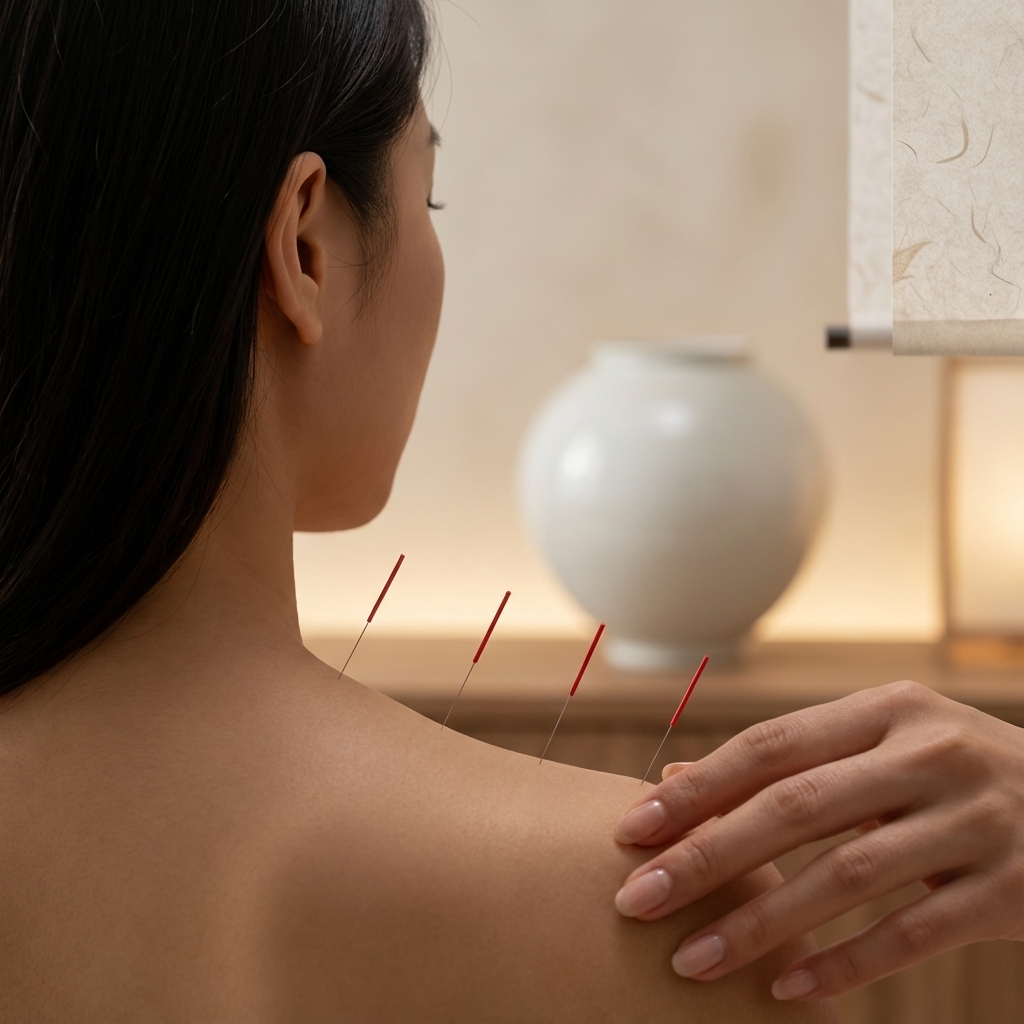
A. Acupuncture treatment has been clinically confirmed to be effective in increasing blood flow and reducing local inflammatory mediators by stimulating acupoints around the tendon sheath. In addition to simple acupuncture, combining it with moxibustion, pharmacopuncture, or fire acupuncture provides additional effects such as adhesion release and regeneration promotion. It is effective for rapid pain relief in the acute phase and for preventing recurrence in the chronic phase.
View details →De Quervain's Tenosynovitis is not just a simple symptom
Korean medicine that considers both your constitution and lifestyle rhythm treats the root cause.
From consultation to precise treatment, we provide personalized care.
Prescriptions tailored to your constitution and symptoms treat the root cause
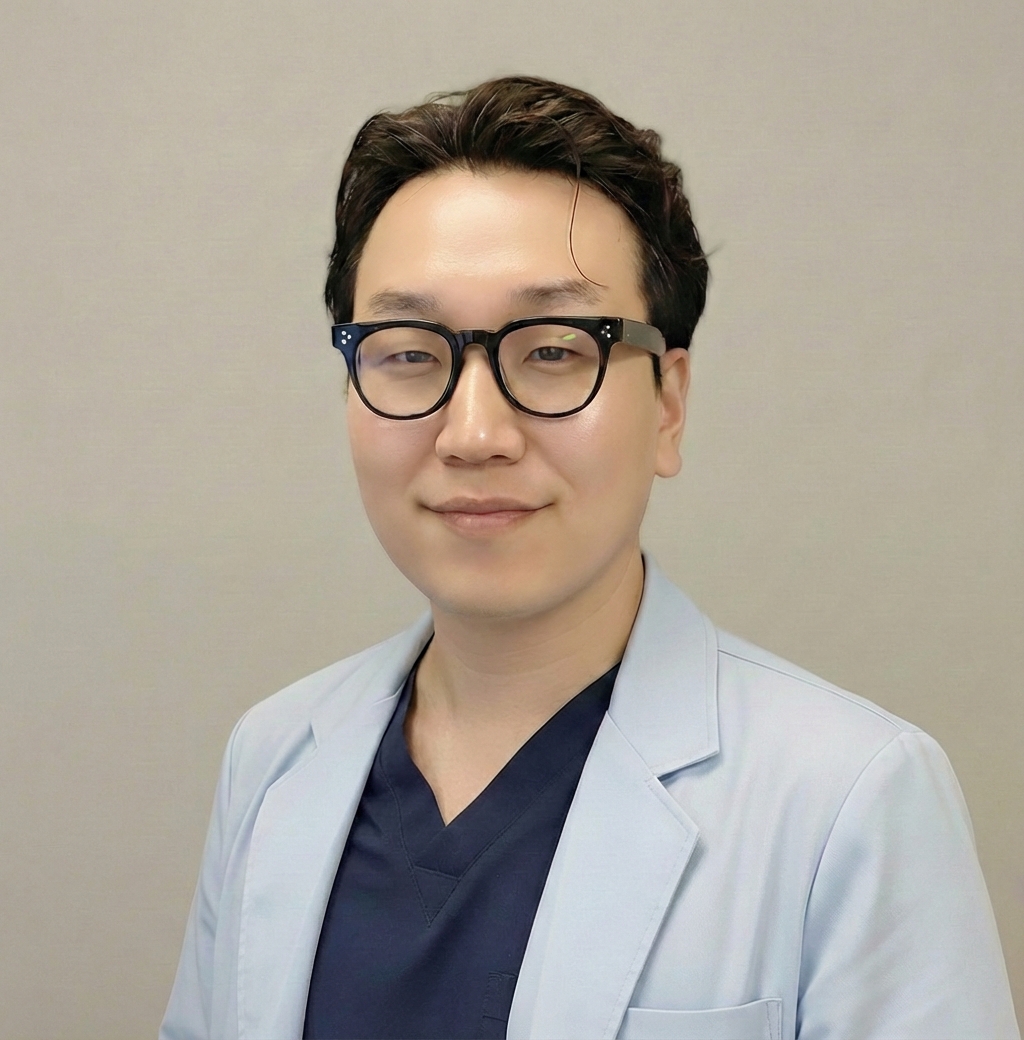
The director personally sees you from first to follow-up visits
We identify the essence through Sasang constitution, pulse and abdominal diagnosis
Treatment based on long clinical experience and evidence
Was this helpful? If you need accurate care for your condition, please contact us below.