
Q I am in my 30s working as a delivery driver in the Dongincheon area. While riding my motorcycle through an alley with many uphill slopes, I suddenly put my foot down, and it felt like my calf was tearing. How are a gastrocnemius muscle tear and an Achilles tendon rupture different?
A A gastrocnemius muscle tear is a rupture of the calf muscle itself (the muscle belly or the muscle-tendon junction), whereas an Achilles tendon rupture is a tear in the tendon tissue just above the heel. The location of the pain differs slightly; a gastrocnemius muscle tear is characterized by distinct bruising and swelling in the middle of the calf, whereas an Achilles tendon rupture causes a palpable gap when pressing just above the heel, and the ankle does not move during the Thompson test. An ultrasound examination is necessary for accurate differentiation.
Detailed Answer
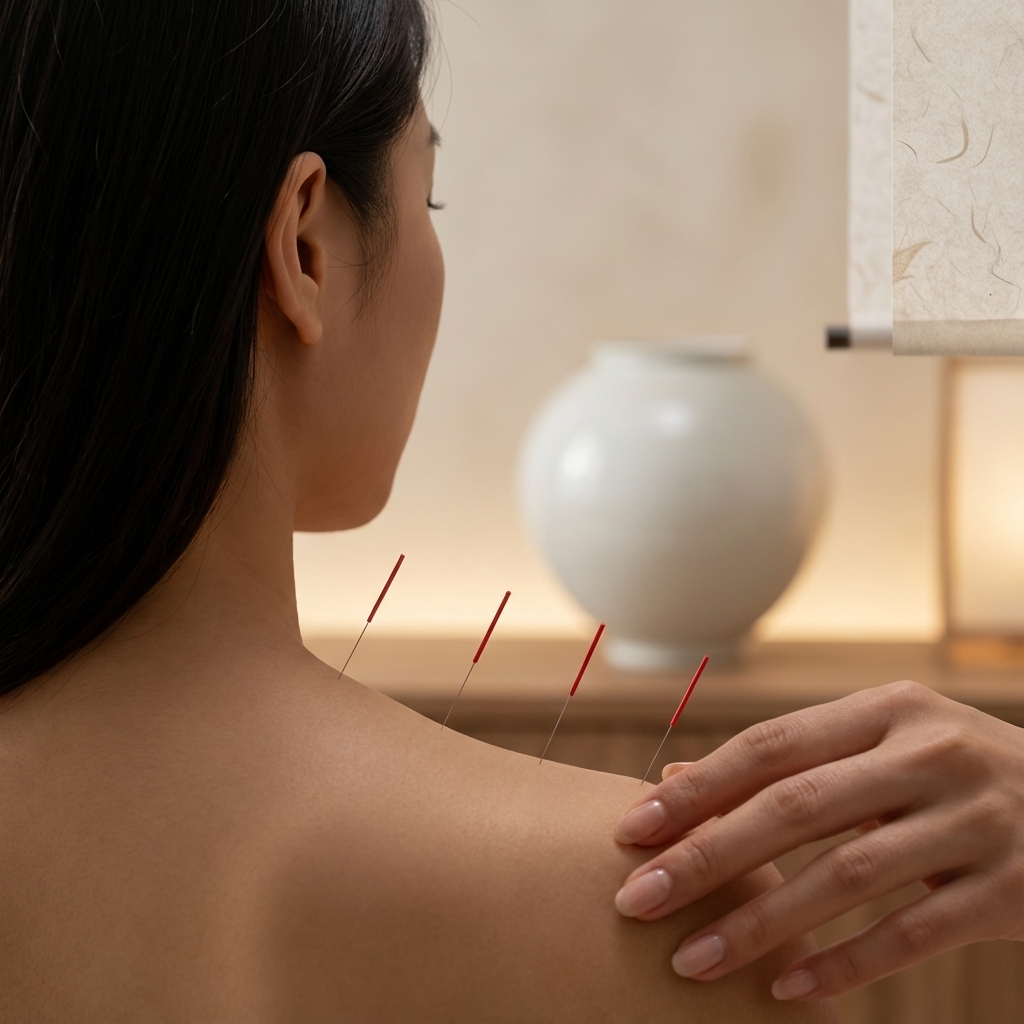
A calf muscle tear and an Achilles tendon rupture differ in the site of occurrence. Gastrocnemius muscle injuries primarily occur in the muscle belly or myotendinous junction, while Achilles tendon ruptures mainly occur in the avascular zone approximately 2–6 cm superior to the calcaneal insertion site. Initial differentiation is performed using the Thompson test (assessing the presence or absence of ankle plantar flexion upon calf compression in the prone position), and confirmation is made via ultrasound or MRI. Grade II or higher gastrocnemius injuries differ from a complete Achilles tendon rupture in that they involve an intramuscular hematoma and the Thompson test is negative. From the perspective of a Korean Medicine Clinic, both injuries fall under the category of conditions where Qi and blood are blocked, leading to blood stasis; however, the distribution of meridians is crucial. Meridians running along the medial and lateral sides of the lower limb run through the gastrocnemius muscle, while meridians running along the posterior and medial sides of the lower limb are strongly distributed in the Achilles tendon. At Dongjedang, we use ultrasound-guided acupuncture to accurately target specific locations of the injuries, considering the regulation of liver and spleen qi and blood for gastrocnemius injuries and the reinforcement of kidney function for Achilles tendon injuries.
Related FAQs
-
Q
I am a woman in my 50s who enjoys hiking. Is it possible to completely prevent a calf muscle injury from recurring?
#Possibility / Realistic Goals
-
Q
I am an elderly male in my 70s. Can a gastrocnemius muscle injury be fully recovered through Korean medicine treatment, even at my advanced age?
#Possibility / Realistic Goals
-
Q
I am a diabetic patient in my 40s. I have heard that recovery from gastrocnemius muscle injuries is more difficult with diabetes. In what ways is it dangerous, and how should I manage it?
#Comorbidities
-
Q
I am an office worker in my 40s. I have to stand all day at work after a gastrocnemius injury. How should I manage this?
#Lifestyle Management
-
Q
I am a male marathon enthusiast in my 30s. When and how can I safely resume running after a calf muscle injury?
#Lifestyle Management