
Calf Muscle Strain
Calf Muscle Strain
Gastrocnemius muscle injury characterized by tightness, pulling, or sudden tearing pain in the calf
# Possibility / Realistic Goals (2)
Q I am a woman in my 50s who enjoys hiking. Is it possible to completely prevent a calf muscle injury from recurring?
A. While perfect prevention is difficult, the risk of recurrence can be significantly reduced through proper management. Since the biggest causes of recurrence are insufficient initial treatment and premature return to activity, it is important to maintain eccentric strengthening exercises and flexibility management even after treatment is complete. Sufficient warm-up exercises before hiking, zigzag walking during descent, and calf stretching intermittently are practical methods for preventing recurrence.
View details →Q I am an elderly male in my 70s. Can a gastrocnemius muscle injury be fully recovered through Korean medicine treatment, even at my advanced age?
A. Even in your 70s, a gastrocnemius muscle injury can be fully recovered through conservative treatment. However, the recovery speed may take 1.5 to 2 times longer than in younger age groups, and if there are comorbid conditions such as diabetes or cardiovascular disease, these need to be taken into account in the treatment plan. For the elderly, the primary goal is functional recovery (pain-free walking), and balance training is conducted to also consider fall prevention.
View details →# Comorbidities (1)
# Lifestyle Management (2)
Q I am an office worker in my 40s. I have to stand all day at work after a gastrocnemius injury. How should I manage this?
A. Since standing for long periods places a continuous load on the recovering gastrocnemius, it is necessary to take a 5-minute break every hour to sit and elevate your legs. Calf compression stockings (15–20 mmHg) help prevent swelling and improve blood circulation, and wearing comfortable athletic shoes with a heel height of 2–3 cm can reduce stress on the gastrocnemius. If pain worsens, stop working immediately, apply a cold compress, and visit a doctor.
View details →Q I am a male marathon enthusiast in my 30s. When and how can I safely resume running after a calf muscle injury?
A. Resuming running after a calf muscle injury begins in stages once you are fully able to walk without pain. Generally, Grade I runs start with light jogging after 2–3 weeks, and Grade II runs after 4–6 weeks; limit running to less than 10 minutes on flat ground for the first two weeks. The safety standard is to return to 60% of normal training intensity when you can perform short calf raises (single-leg heel lifts) at the level of the unaffected side.
View details →# Safety (1)
# Drug Combination / Interactions (1)
# Prognosis / Recovery (2)
Q I am an athlete in my 20s. I have been diagnosed with a Grade II gastrocnemius tear. How long will it take to fully recover and return to competition?
A. For Grade II (partial tear) gastrocnemius injuries, returning to daily activities generally takes 4 to 8 weeks, while for athletes, the standard for a full return to competition is 6 to 12 weeks. However, there is significant individual variation depending on the extent of the injury, the timing of treatment initiation, and the intensity of rehabilitation. Aggressive early treatment (swelling management, promotion of blood circulation, and prevention of adhesions) is key to accelerating the return.
View details →Q I am a woman in my 50s. I received treatment for a gastrocnemius muscle injury, but I continue to experience intermittent pulling and aching sensations in my calves. Is this a normal part of the recovery process?
A. The pulling and aching sensations that persist for several weeks to months following a gastrocnemius injury are due to scar tissue formation and fascial adhesions; this is a natural process that can occur until complete recovery. However, if the symptoms persist for more than three months or the intensity does not decrease, it may indicate a chronic condition where the scar tissue has hypertrophied, requiring further evaluation. Symptoms can be significantly improved by combining active stretching with adhesion lysis treatment.
View details →# Causes Explained (2)
Q I am a male office worker in my 40s. While climbing stairs, I suddenly heard a "snap" sound and experienced severe pain in the back of my calf. Why does the gastrocnemius muscle get damaged in this way?
A. The gastrocnemius is a core muscle of the calf that extends from behind the knee to the heel. Muscle fibers rupture when excessive tension is applied during sudden ankle dorsiflexion movements or moments requiring explosive propulsion. In particular, when climbing stairs or ramps without warming up, the tendon-muscle junction (myotendinous junction) is the most vulnerable, leading to damage accompanied by a "snap" sound. After the age of 40, muscle elasticity decreases and blood circulation declines, increasing the risk of damage even from the same movements.
View details →Q I am in my 30s working as a delivery driver in the Dongincheon area. While riding my motorcycle through an alley with many uphill slopes, I suddenly put my foot down, and it felt like my calf was tearing. How are a gastrocnemius muscle tear and an Achilles tendon rupture different?
A. A gastrocnemius muscle tear is a rupture of the calf muscle itself (the muscle belly or the muscle-tendon junction), whereas an Achilles tendon rupture is a tear in the tendon tissue just above the heel. The location of the pain differs slightly; a gastrocnemius muscle tear is characterized by distinct bruising and swelling in the middle of the calf, whereas an Achilles tendon rupture causes a palpable gap when pressing just above the heel, and the ankle does not move during the Thompson test. An ultrasound examination is necessary for accurate differentiation.
View details →# Food / Triggers (2)
Q I am a female office worker in my 30s. Please let me know if there are any foods that help with recovery after a calf muscle injury, or if there are any things I should avoid.
A. Protein (chicken breast, tofu, eggs), Omega-3 (fatty fish), and Vitamin C (broccoli, bell peppers) are helpful for muscle recovery. On the other hand, alcohol worsens vascular inflammation and inhibits muscle protein synthesis, so it is best to avoid it for the first 2 to 4 weeks after the injury. Spicy and stimulating foods can also increase heat within the tissues and delay recovery.
View details →Q I am a man in my 50s living in Dong-gu, Incheon. I enjoy drinking alcohol regularly; is it true that alcohol increases the risk of calf muscle injury or hinders recovery?
A. Alcohol inhibits muscle protein synthesis and impairs neuromuscular coordination, increasing the risk of injury when exercising the day after drinking. Chronic alcohol consumption depletes electrolytes such as magnesium and potassium, increasing the frequency of muscle stiffness and cramps, which serves as a predisposing factor for gastrocnemius muscle rupture. Drinking after an injury prolongs the vascular inflammatory response, extending the recovery period, so active moderation is necessary.
View details →# Treatment Schedule (1)
# Treatment Stages (2)
Q I am a man in my 40s. What kind of treatment is provided when I first visit the Korean medicine clinic for a gastrocnemius muscle injury? I would like to know the entire treatment process.
A. During the first visit, an ultrasound examination is performed to check the extent of the rupture and the presence of a hematoma, and acute pain and inflammation are relieved using acupuncture and pharmacopuncture. Subsequently, starting 1 to 2 weeks after the swelling subsides, the structural recovery phase begins with needle insertion and thread embedding. In weeks 3 to 4, functional strengthening exercises are combined with the intake of herbal medicine. The entire process is designed in four stages: Acute Phase → Proliferative Phase → Remodeling Phase → Recurrence Prevention Phase.
View details →Q I am a woman in my 60s. I would like to know if it is possible to achieve a complete recovery from a gastrocnemius muscle injury solely through Korean medicine treatment without surgery, and when surgery is necessary.
A. Grade I and II gastrocnemius muscle injuries can achieve complete recovery in over 90% of cases with conservative treatment alone. Surgery is required only in Grade III cases (complete rupture) or in special situations requiring an immediate return, such as for athletes. For patients over 60, there is a tendency to prioritize conservative treatment due to the risk of postoperative complications, and Korean medicine is effective in shortening this conservative treatment period and improving the quality of recovery.
View details →# Effectiveness (2)
Q I am a housewife in my 50s. I was diagnosed with a partial gastrocnemius tear at an orthopedic clinic and underwent physical therapy for three weeks, but I haven't seen much improvement. Is treatment at a Korean medicine clinic really effective?
A. If physical therapy is repeated without sufficient rehabilitation following a partial gastrocnemius tear, scar tissue (scars) can form within the muscle and impair blood circulation, potentially leading to chronic pain. Korean medicine treatment utilizes moxibustion to directly separate scar adhesions and pharmacopuncture and bee venom acupuncture to promote local anti-inflammation and regeneration, allowing for complementary effects with Western physical therapy. Clinically, if recovery has stalled for more than three weeks, early intervention is crucial for preventing chronicity.
View details →Q I am a man in my 40s who exercises regularly. If I receive acupuncture at a Korean medicine clinic after a calf muscle injury, does the muscle actually recover, or does it only reduce the pain?
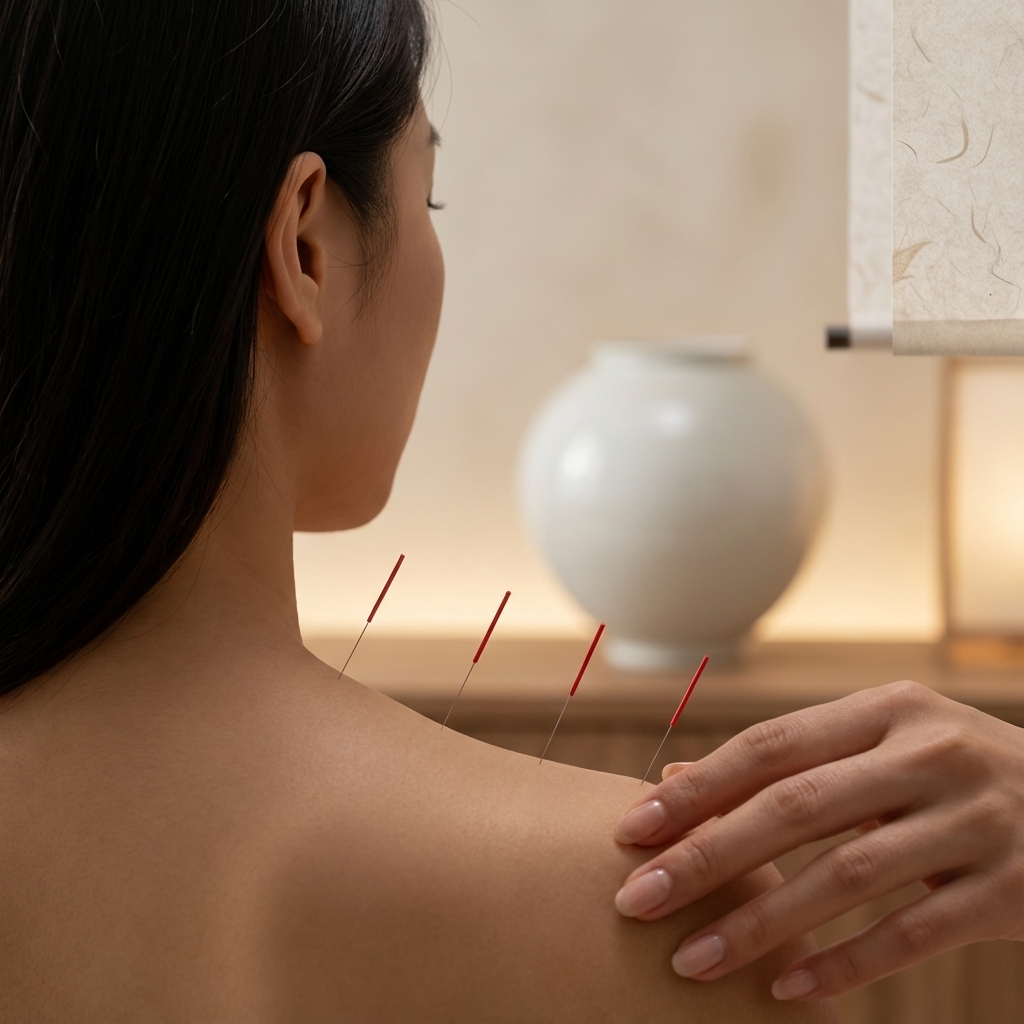
A. Acupuncture treatment contributes directly to muscle recovery beyond simple pain relief. Research indicates that localized acupuncture stimulation increases blood flow and promotes the activation of satellite cells, aiding in the regeneration of damaged muscle fibers. In particular, needle insertion physically separates adhered fascia, while thread lifting stimulates collagen resynthesis, supporting even the structural recovery of muscles.
View details →Calf Muscle Strain is not just a simple symptom
Korean medicine that considers both your constitution and lifestyle rhythm treats the root cause.
From consultation to precise treatment, we provide personalized care.
Prescriptions tailored to your constitution and symptoms treat the root cause
The director personally sees you from first to follow-up visits
We identify the essence through Sasang constitution, pulse and abdominal diagnosis
Treatment based on long clinical experience and evidence
Was this helpful? If you need accurate care for your condition, please contact us below.