
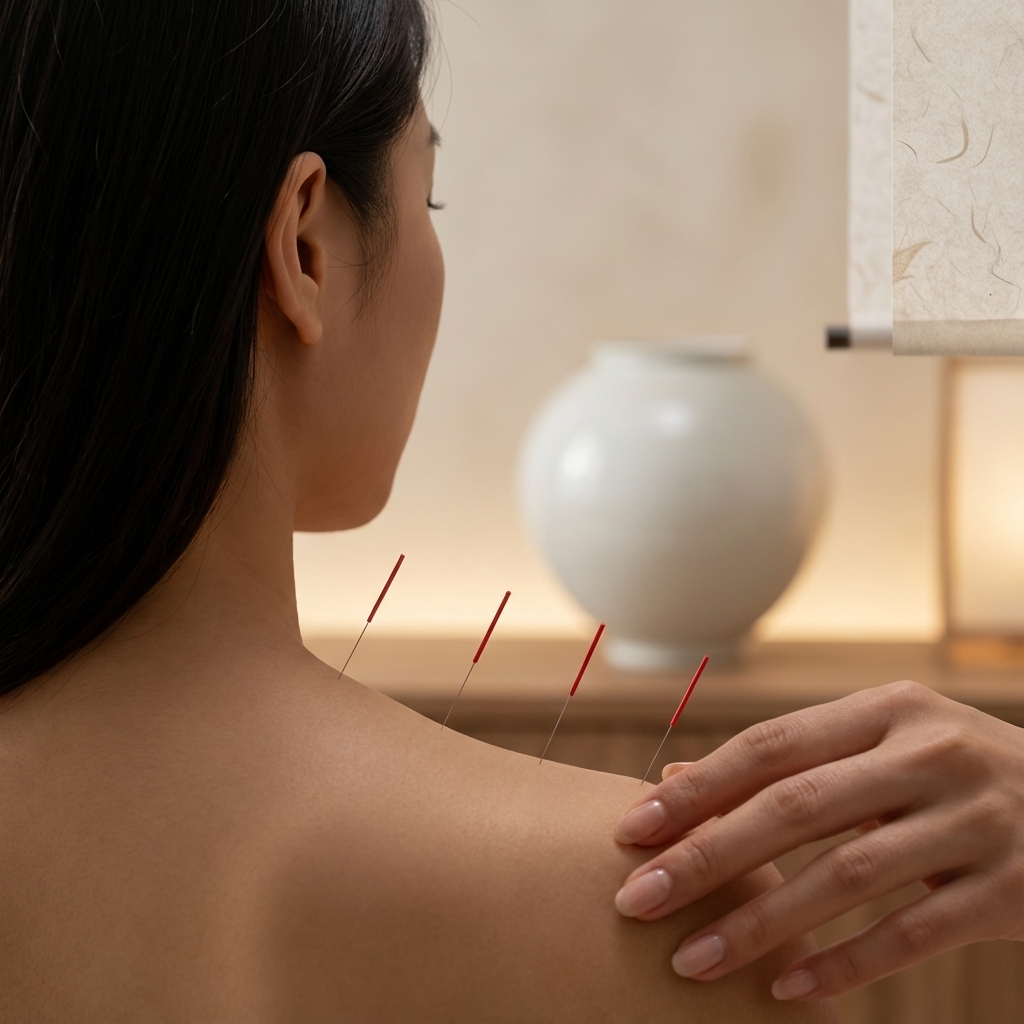
Q I was diagnosed with a Grade 3 complete rupture. Can I be treated without surgery? Is it possible with Korean traditional medicine? (Male in his 30s)
A Conservative treatment is usually attempted first for most Grade 3 complete ruptures. The current standard treatment approach is to consider surgery only if instability persists after 6 months of conservative treatment. Korean traditional medicine can actively support ligament regeneration and functional recovery, making it a key pillar of conservative treatment.
Detailed Answer
In comparative studies of surgery (Broström procedure) versus conservative treatment for Grade 3 complete ankle ligament ruptures, functional recovery rates are similar based on 6 to 12-month follow-up results. Both U.S. and European sports medicine guidelines recommend prioritizing active conservative treatment rather than performing surgery immediately. Conservative treatment includes stimulating ligament regeneration through needle acupuncture and thread embedding, controlling inflammation with pharmacopuncture and bee venom acupuncture, and gradual proprioceptive and muscle strength rehabilitation. Surgery is a second-best option when conservative treatment fails. Korean Medicine Clinic Perspective
After a complete rupture, sufficiently nourishing the blood of the liver and the vital energy of the kidneys allows even severed ligaments to recover function through tissue regeneration. Fire acupuncture and thread embedding directly deliver regenerative stimulation to the ligament site, while herbal medicine tailored to the patient's constitution reinforces the liver and kidneys from within to aid in the resynthesis of collagen and elastin. At Dongjedang, we monitor the progress of ligament recovery for patients with Grade 3 injuries in conjunction with regular ultrasound evaluations; if recovery is insufficient, we collaborate with other specialists to jointly determine whether surgery is necessary.
Related FAQs
-
Q
I am in my 60s and I was told that my ankle ligaments are already significantly worn out. Is Korean traditional medicine effective for older people as well? (Female, 60s)
#Possibility / Realistic Goals
-
Q
After spraining my ankle, I am now experiencing pain in my Achilles tendon and calf. Is it possible to treat them together? (Running club member in their 40s)
#Comorbidities
-
Q
Do I need to continue wearing a brace or taping in daily life after an ankle sprain? Will I develop a dependency? (Housewife in her 40s)
#Lifestyle Management
-
Q
My ankle hasn't fully healed yet, but I have to stand all day at work. Is there a way to manage this? (Retail worker in their 30s, Dong-gu, Incheon)
#Lifestyle Management
-
Q
Are needle acupuncture and bee venom acupuncture safe for the ankle area? I am worried about damaging nerves or blood vessels. (Male in his 50s)
#Safety