
Q I am in my 60s and I was told that my ankle ligaments are already significantly worn out. Is Korean traditional medicine effective for older people as well? (Female, 60s)
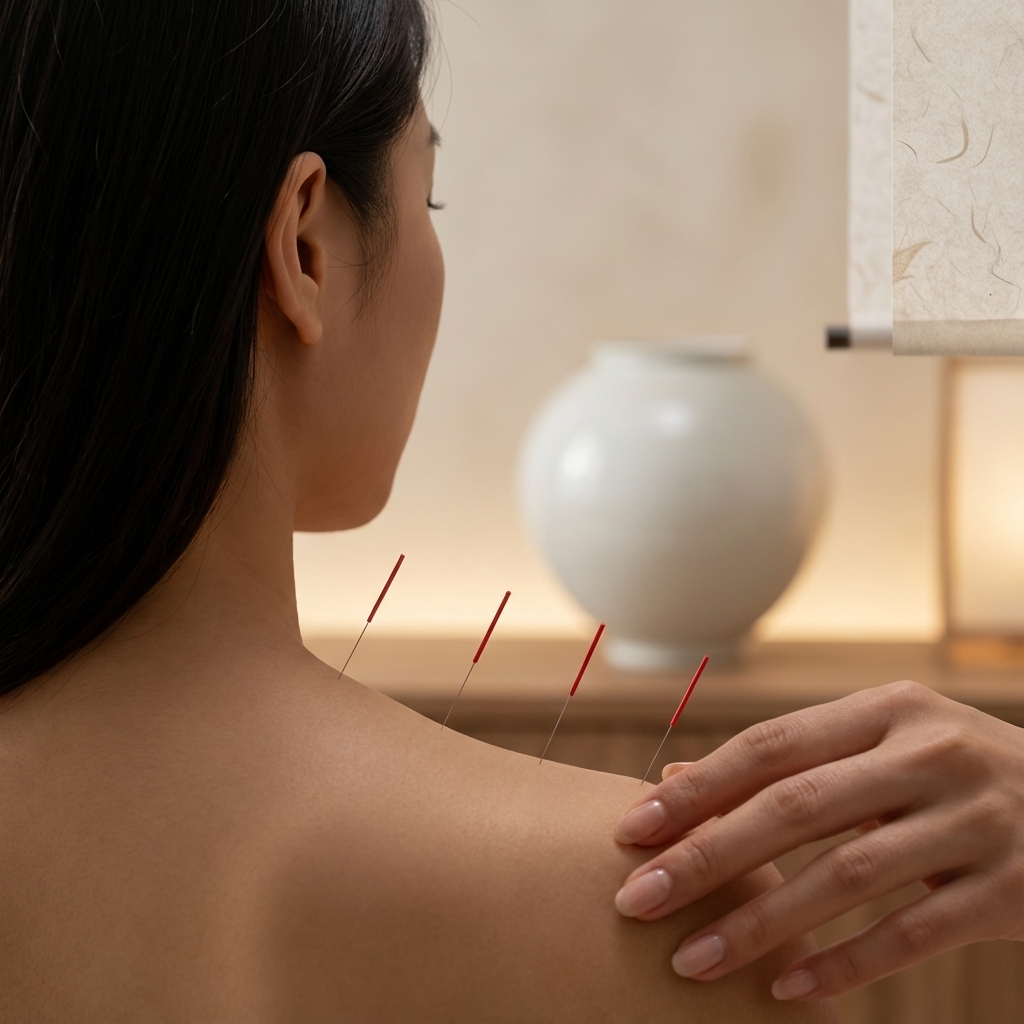
A While the rate of ligament and cartilage regeneration slows with age, Korean traditional medicine actually has a strong advantage in reinforcing function deterioration caused by aging. By reinforcing liver and kidney functions and resolving blood stasis, it improves the environment for tissue regeneration. Furthermore, it can aid in functional recovery by stimulating degenerated ligaments using needle acupuncture and thread embedding. Even those over 60 can expect sufficient therapeutic effects.
Detailed Answer
Changes in ligaments due to aging: Decreased elasticity due to increased collagen cross-linking, reduced regenerative capacity due to reduced blood flow, and decreased density of proprioceptive receptors. Even with these changes, stimulation using needle acupuncture and thread embedding induces the secretion of growth factors (TGF-β and IGF-1) to promote collagen resynthesis. Pharmacopuncture improves local blood flow reduced by aging and regulates chronic inflammation. There are clinical studies showing significant improvements in functional scores after moxibustion treatment, even in elderly patients. Perspective of a Korean Medicine Clinic In Korean medicine, aging is explained by the depletion of kidney essence and a deficiency of blood in the liver. Consequently, bones, muscles, and ligaments fail to receive sufficient nutrition and become frail. In fact, for aging patients, Korean medical treatments that include the restoration of organ function are more effective than simple physical therapy. At Dongjedang, we strengthen the liver and kidneys with herbal medicine tailored to the patient's constitution and stimulate regeneration in aged ligaments using moxibustion and fire acupuncture, aiming for sufficient functional recovery—although slower than in younger patients.
Related FAQs
-
Q
I was diagnosed with a Grade 3 complete rupture. Can I be treated without surgery? Is it possible with Korean traditional medicine? (Male in his 30s)
#Possibility / Realistic Goals
-
Q
After spraining my ankle, I am now experiencing pain in my Achilles tendon and calf. Is it possible to treat them together? (Running club member in their 40s)
#Comorbidities
-
Q
Do I need to continue wearing a brace or taping in daily life after an ankle sprain? Will I develop a dependency? (Housewife in her 40s)
#Lifestyle Management
-
Q
My ankle hasn't fully healed yet, but I have to stand all day at work. Is there a way to manage this? (Retail worker in their 30s, Dong-gu, Incheon)
#Lifestyle Management
-
Q
Are needle acupuncture and bee venom acupuncture safe for the ankle area? I am worried about damaging nerves or blood vessels. (Male in his 50s)
#Safety