
Q In what order is treatment for sacroiliac joint pain carried out?
A We treat the painful area by treating ① releasing adhesions (sole needles), ② strengthening weakened ligaments (pharmacopuncture, heated fire acupuncture, thread embedding), and ③ reducing inflammation (bee venom acupuncture, pharmacopuncture). If the condition does not heal well, we address the underlying causes of recurrence through stages of emptying (detoxification) and replenishing (constitutional adjustment).
Detailed Answer
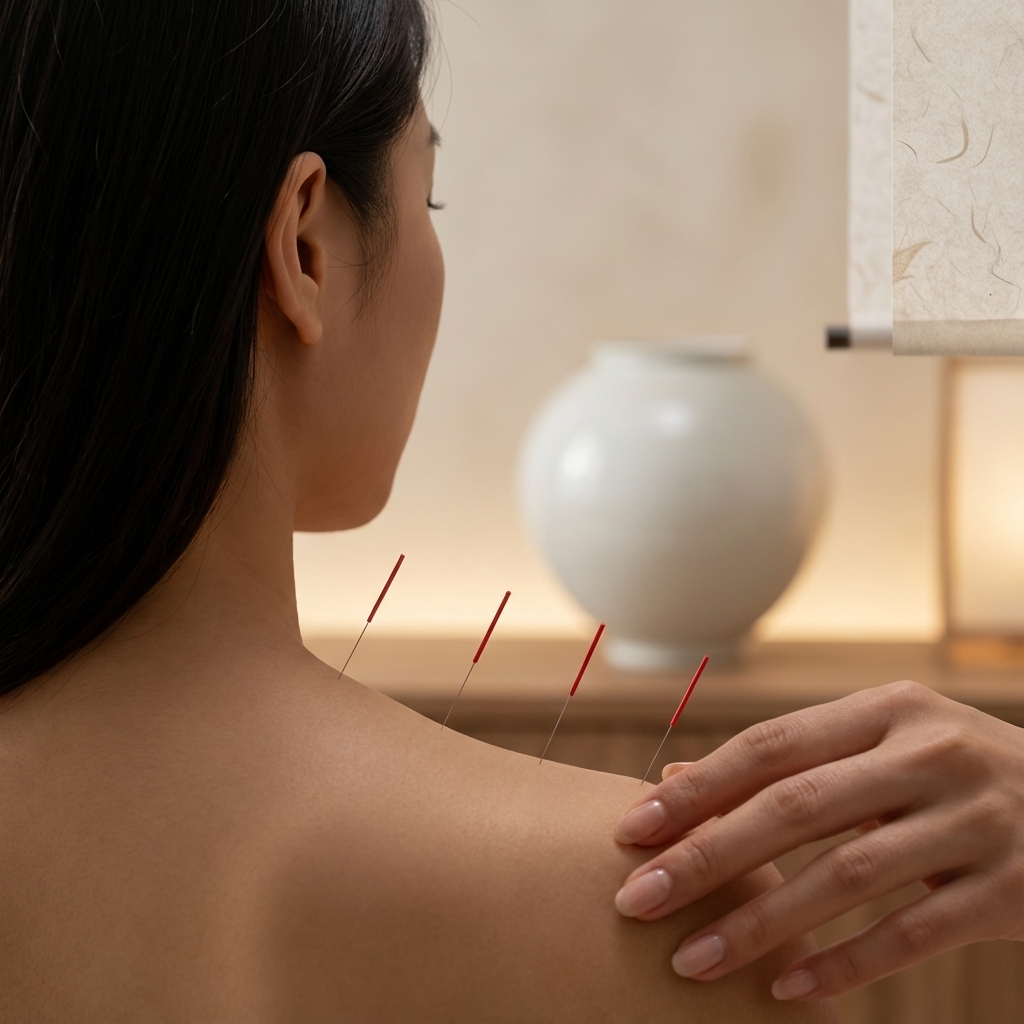
Dongjedang's pain treatment proceeds in two directions: external treatment (the painful area) and internal treatment (the entire body). ① Hardened and tangled adhesions are released with sole needles to open the path for treatment, ② weakened ligaments are strengthened with heated fire acupuncture and thread embedding, and ③ hypersensitive inflammation is reduced with bee venom acupuncture and pharmacopuncture. Acupuncture regulates the amount of stimulation to awaken tissues to the appropriate level. From the perspective of a Korean medicine clinic, if the body's overall inflammatory and metabolic environment is poor, the same stimulation can easily trigger a relapse. Therefore, when necessary, we add steps such as constitutional detoxification to clear accumulated burdens and herbal medicine tailored to the individual's constitution to build a foundation for recovery. The key to preventing recurrence is not stopping at merely treating the painful area.
Related FAQs
-
Q
Does sacroiliac joint pain require surgery? Can it really be improved without surgery?
#Possibility / Realistic Goals
-
Q
Can sacroiliac joint pain be accompanied by a herniated disc or sciatica?
#Comorbidities
-
Q
What can I do to manage sacroiliac joint pain at home?
#Lifestyle Management
-
Q
I'm curious about which exercises are good and which should be avoided for sacroiliac joint pain.
#Lifestyle Management
-
Q
Is it dangerous to insert needles or fine blades into the buttocks?
#Safety