

Q I live in Dong-gu, Incheon. How is the treatment for sacroiliac joint pain conducted on my first visit?
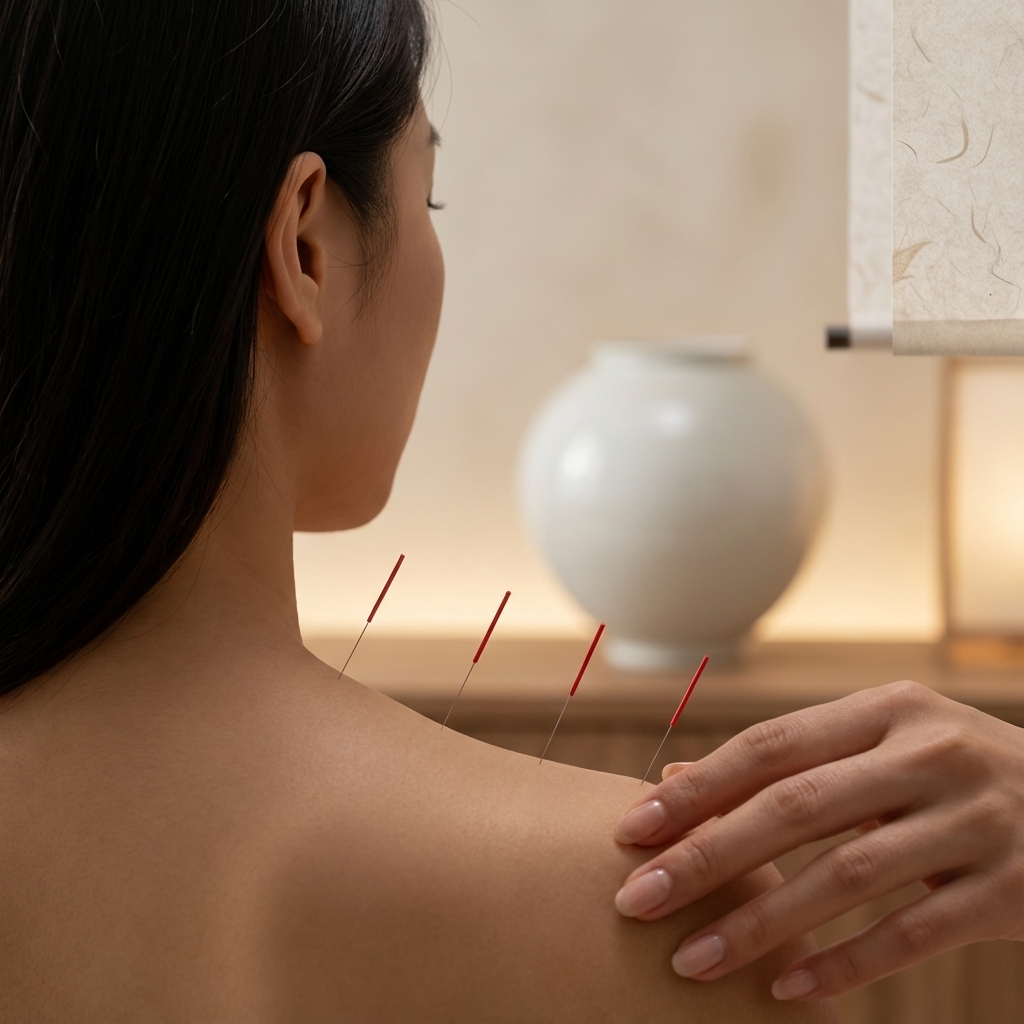
A We confirm whether the sacroiliac joint is the cause through a physical examination, and after assessing the condition of ligaments and adhesions using ultrasound, we determine a treatment plan, such as pharmacopuncture or moxibustion. In many cases, the examination and the first procedure are performed together during the initial visit.
Detailed Answer
During the initial consultation, we confirm whether the pain originates from the sacroiliac joint using physical examinations such as FABER and Gehenslen, and differentiate it from herniated discs or hip joint problems. Subsequently, we visually inspect the condition of ligaments, soft tissues, and adhesions using ultrasound. If necessary, we also examine inflammation and the patient's overall systemic condition through in-clinic blood tests before establishing a treatment plan.
Korean Medicine Clinic Perspective
Dongjedang practices in Dong-gu, Incheon, based on the principle of "Observe, Confirm, and Strengthen Accurately." Since we perform procedures based on visible evidence rather than vague palpation, the examination and the first procedure are often carried out together on the first day.
Related FAQs
-
Q
Does sacroiliac joint pain require surgery? Can it really be improved without surgery?
#Possibility / Realistic Goals
-
Q
Can sacroiliac joint pain be accompanied by a herniated disc or sciatica?
#Comorbidities
-
Q
What can I do to manage sacroiliac joint pain at home?
#Lifestyle Management
-
Q
I'm curious about which exercises are good and which should be avoided for sacroiliac joint pain.
#Lifestyle Management
-
Q
Is it dangerous to insert needles or fine blades into the buttocks?
#Safety