

Q If it is the early stage of Piriformis Syndrome, how quickly can I recover? For reference, it has been about 3 months since the symptoms started.
A 3 months after the onset of symptoms is still a pre-chronic stage, and the prognosis for recovery is good with active treatment. If adhesions are not severe, pain in daily life can be eliminated with 2 to 3 months of treatment. Combining posture correction and stretching with treatment speeds up the recovery process.
Detailed Answer
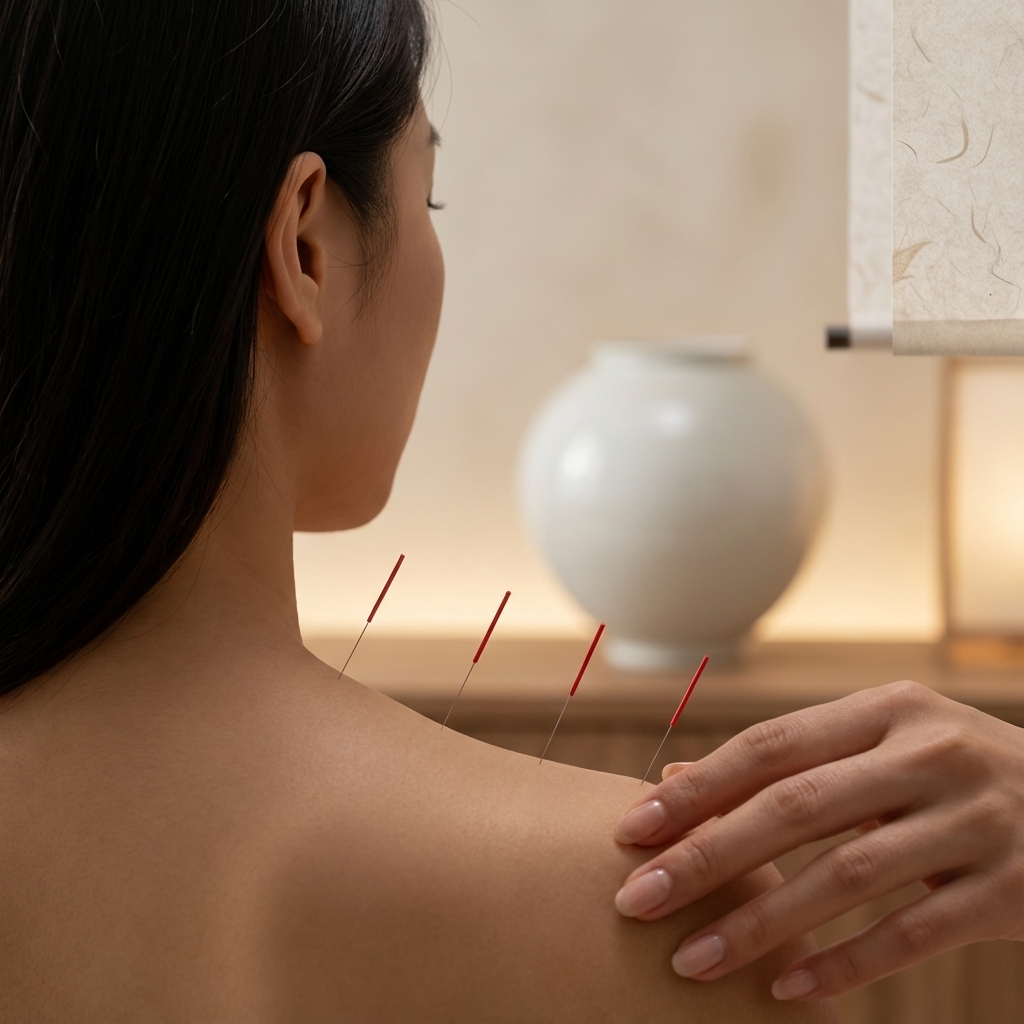
The prognosis of Piriformis Syndrome largely depends on the duration of symptoms and the degree of adhesion. 3 months after onset is a point where fibrous adhesions have not yet hardened rigidly; starting treatment at this stage allows for recovery 2 to 3 times faster than in cases where the condition has become chronic for more than 6 months. In most cases, pain significantly decreases during the 2 to 3-month treatment process, and combining it with exercise therapy to prevent recurrence results in a low recurrence rate after complete recovery. However, the treatment period may be slightly longer if there are anatomical variations (such as nerves penetrating the piriformis muscle). From a Korean medicine perspective, the three-month period is a stage where blood stasis is still fluid. By using acupuncture and moxibustion to clear the meridians in the buttocks and the back of the thighs before Qi and blood completely solidify, the piriformis muscle rapidly regains its elasticity. At Dongjedang, we track objective changes before and after treatment by measuring the thickness and echogenicity of the piriformis muscle using ultrasound. Since the recovery speed of deep muscles accelerates when the energy of the kidneys and bladder is sufficient, replenishing kidney energy through internal treatment is a strategy to expedite recovery from early-stage piriformis syndrome.
Related FAQs
-
Q
I was recommended surgery by an orthopedic surgeon. Is it possible to avoid surgery with treatment at a Korean medicine clinic alone?
#Possibility / Realistic Goals
-
Q
I’ve heard that Piriformis Syndrome tends to recur even after recovery. Can treatment at a Korean medicine clinic prevent recurrence?
#Possibility / Realistic Goals
-
Q
I have been told that I have both Piriformis Syndrome and a herniated disc (lumbar disc herniation). Can both be treated together?
#Comorbidities
-
Q
Are there any stretches or exercises that are good for piriformis syndrome? I am curious about methods that are safe to perform alone at home.
#Lifestyle Management
-
Q
I have to continue working even while undergoing treatment for piriformis syndrome. What precautions should I take in my work life?
#Lifestyle Management