

Q I’ve heard that Piriformis Syndrome tends to recur even after recovery. Can treatment at a Korean medicine clinic prevent recurrence?
A Piriformis Syndrome has a high recurrence rate if treatment is received without correcting the underlying posture or movements. Treatment at a Korean medicine clinic is effective in preventing recurrence by reducing structural vulnerability through adhesion release and tissue regeneration, and by increasing muscle elasticity through the restoration of meridian Qi and blood circulation. Consistently practicing piriformis strengthening exercises and posture correction after treatment is key to preventing recurrence.
Detailed Answer
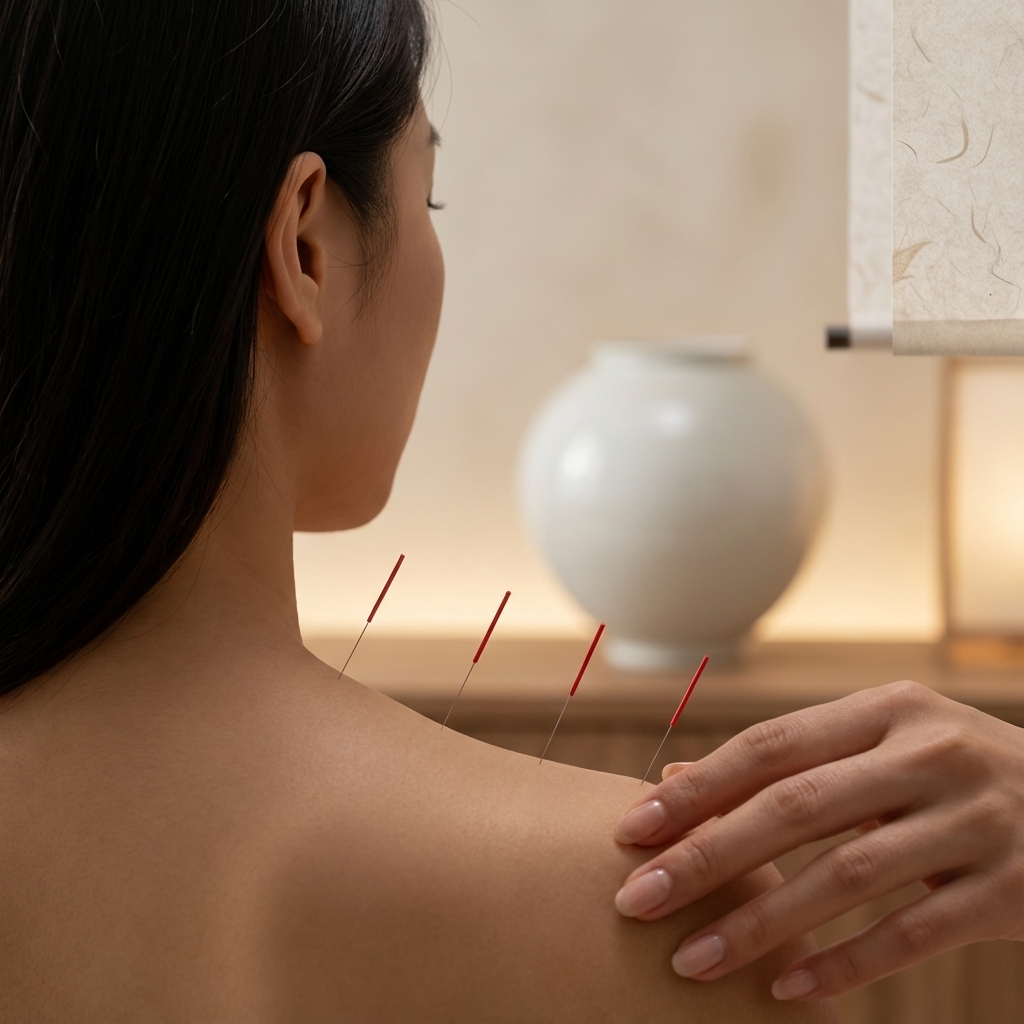
Recurrence of Piriformis Syndrome occurs when structural vulnerability and lifestyle habits are not corrected. Risk factors for recurrence include: ① failure to practice posture correction after treatment, ② weakening of stabilizing muscles surrounding the piriformis (gluteal muscles and deep hip external rotators), ③ uncorrected pelvic asymmetry, and ④ returning to work involving repetitive overload. Completely releasing piriformis adhesions and inducing tissue regeneration using needle acupuncture and thread lifting results in a lower recurrence rate than simple relaxation therapy. Consistently performing piriformis strengthening exercises (Clamshell, Side Leg Raises) for 3 to 6 months after the completion of treatment is key to preventing recurrence. From the perspective of a Korean medicine clinic, preventing recurrence is possible only when both the externally manifested problem (eliminating adhesions) and the internal root cause (strengthening the body's energy) are addressed. The piriformis muscle weakens because kidney function, which governs the body's fundamental energy, and spleen and stomach function, which digest and absorb nutrients, are insufficient; consequently, Qi and blood are not properly supplied to the deep muscles. At Dongjedang, after the completion of treatment, we reinforce internal functions with herbal medicine tailored to your physical condition, building a body capable of allowing the piriformis muscle to maintain its elasticity on its own. Receiving regular checkups every 2 to 3 months for recurrence prevention allows you to detect minor changes early.
Related FAQs
-
Q
I was recommended surgery by an orthopedic surgeon. Is it possible to avoid surgery with treatment at a Korean medicine clinic alone?
#Possibility / Realistic Goals
-
Q
I have been told that I have both Piriformis Syndrome and a herniated disc (lumbar disc herniation). Can both be treated together?
#Comorbidities
-
Q
Are there any stretches or exercises that are good for piriformis syndrome? I am curious about methods that are safe to perform alone at home.
#Lifestyle Management
-
Q
I have to continue working even while undergoing treatment for piriformis syndrome. What precautions should I take in my work life?
#Lifestyle Management
-
Q
I have heard that needle acupuncture for piriformis syndrome can cause nerve damage. Is it actually safe?
#Safety