
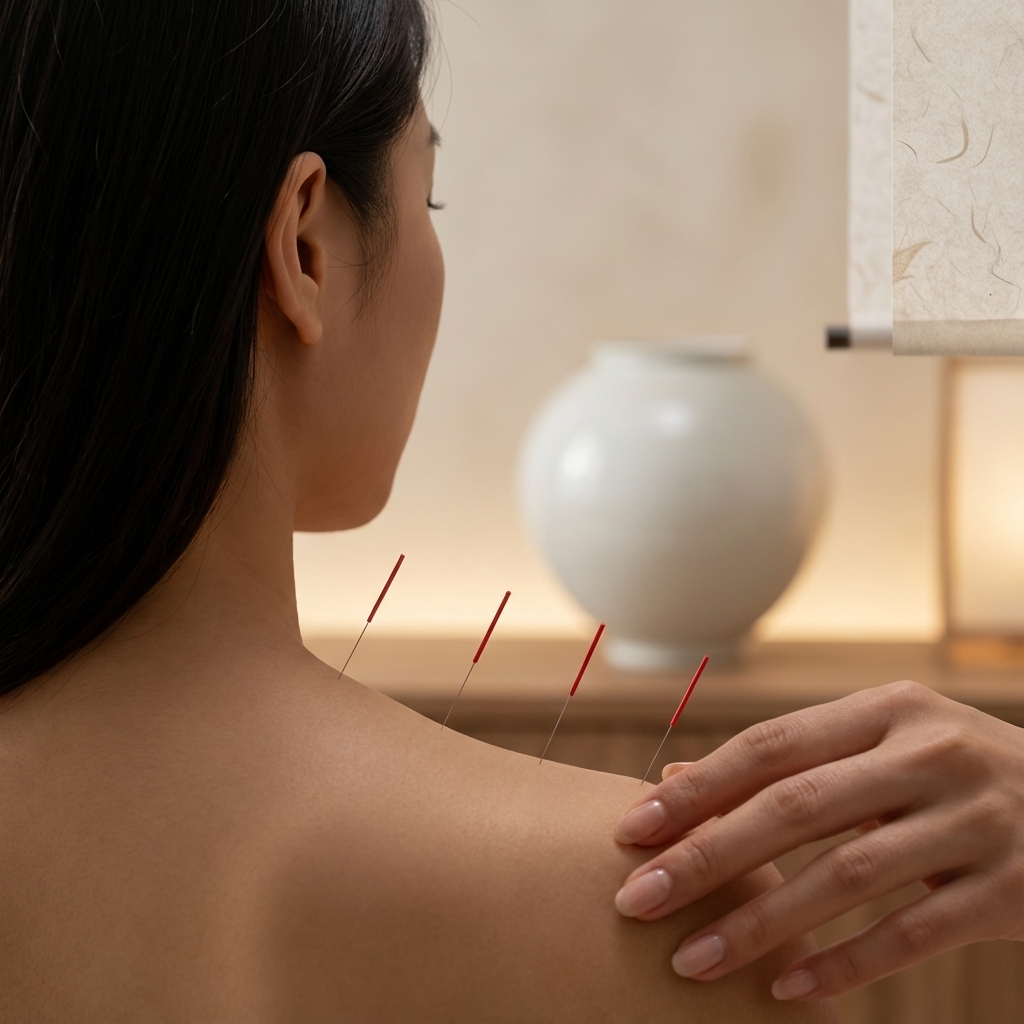

Q I have had pain in my hips and legs for over two years, but I was only recently diagnosed with piriformis syndrome. Can I improve with Korean medicine treatment even in a case this long-standing?
A While treatment effects can be expected for chronic piriformis syndrome lasting more than two years, the treatment period is prolonged due to thick adhesions and heightened nerve sensitivity. Significant symptom improvement is possible with consistent deep structural treatments such as moxibustion and thread embedding. It is advisable to set realistic goals of functional recovery and a reduction in daily pain levels rather than complete pain relief.
Detailed Answer
In chronic piriformis syndrome lasting more than two years, the piriformis muscle fibers have turned into scar tissue, resulting in a high degree of adhesion. In this state, the response to simple acupuncture and physical therapy alone is slow, making it essential to physically separate the fibrous adhesions using moxibustion or extracorporeal shockwave therapy. Clinically, even for chronic patients, a 50–70% reduction in pain and recovery of walking function are fully achievable with 3 to 6 months of active treatment. While prioritizing the restoration of daily function over complete pain relief is the primary goal, combining exercise therapy to strengthen the muscles surrounding the piriformis muscle is essential to prevent recurrence. From the perspective of a Korean medicine clinic, long-standing piriformis issues are complex cases involving a combination of stagnant Qi and blood circulation that has caused pain to harden and a weakened overall vital energy. Since prolonged blockage of Qi and blood leads to a decline in organ function, it is necessary to simultaneously perform adhesion release and restore the body's vital energy. At Dongjedang, we establish a foundation for tissue regeneration through external treatment using moxibustion and fire acupuncture to gradually release adhesions, along with constitution-tailored herbal medicine that reinforces kidney and digestive functions. There are many cases where patients who do not give up on treatment, even with chronic conditions, achieve steady recovery.
Related FAQs
-
Q
I was recommended surgery by an orthopedic surgeon. Is it possible to avoid surgery with treatment at a Korean medicine clinic alone?
#Possibility / Realistic Goals
-
Q
I’ve heard that Piriformis Syndrome tends to recur even after recovery. Can treatment at a Korean medicine clinic prevent recurrence?
#Possibility / Realistic Goals
-
Q
I have been told that I have both Piriformis Syndrome and a herniated disc (lumbar disc herniation). Can both be treated together?
#Comorbidities
-
Q
Are there any stretches or exercises that are good for piriformis syndrome? I am curious about methods that are safe to perform alone at home.
#Lifestyle Management
-
Q
I have to continue working even while undergoing treatment for piriformis syndrome. What precautions should I take in my work life?
#Lifestyle Management