
Q I was prescribed muscle relaxants and anti-inflammatory painkillers at an orthopedic clinic. Is it okay to combine them with treatment at a Korean medicine clinic? I am also wondering if it is permissible to take herbal medicine if available.
A It is possible to combine muscle relaxants and anti-inflammatory painkillers with acupuncture and moxibustion treatments at a Korean medicine clinic, and a synergistic effect can actually be expected. If you are taking herbal medicine along with these, you must inform your therapist of any medications you are currently taking. Generally, short-term combined use is safe as long as there are no liver function abnormalities, but adjustments may be necessary depending on the individual's condition.
Detailed Answer
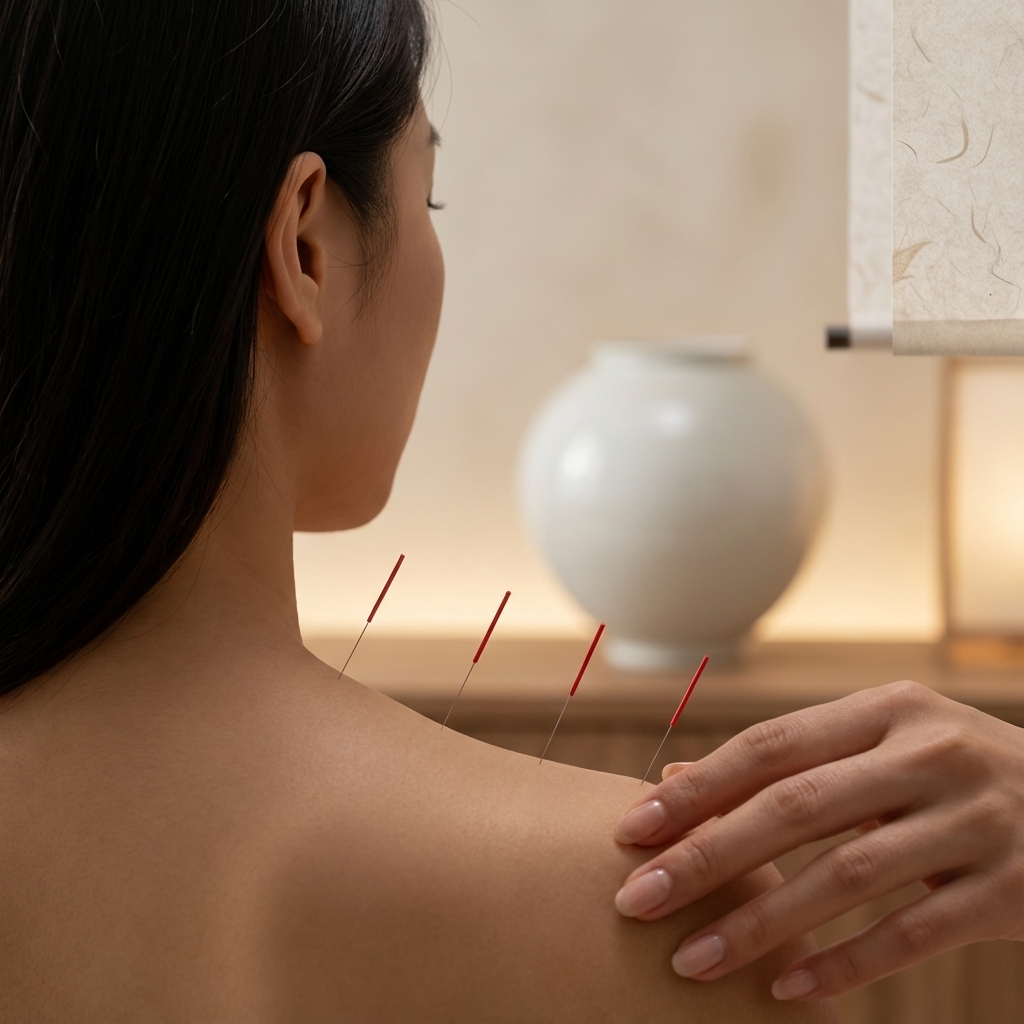
Muscle relaxants (such as baclofen and tizanidine) and anti-inflammatory painkillers (NSAIDs) help alleviate acute spasms and inflammation of the piriformis muscle. When combined with Korean medicine treatments such as acupuncture, moxibustion, or physical therapy, short-term combined use is advantageous because the effects of moxibustion tend to be enhanced when the medication has sufficiently relaxed the muscle. However, the prescription of herbal medicine is determined by the attending Korean medicine doctor after reviewing all medications currently being taken. In particular, anticoagulants that affect blood clotting (such as aspirin and warfarin) or medications that place a metabolic burden on the liver must be disclosed in advance. From a Korean medicine perspective, anti-inflammatory painkillers temporarily relieve the surface pain caused by stagnant blood, but they cannot resolve the root causes, such as the stagnation of Qi and blood or the adhesion of muscles and ligaments. Since Dongjedang treatment focuses on opening up circulation in deep areas that medication cannot reach and restoring internal bodily functions, the two complement each other. When prescribing herbal medicine, it is formulated to support liver function, taking into account the detoxification burden on the liver, and we carefully check for any overlapping effects with other medications currently being taken.
Related FAQs
-
Q
I was recommended surgery by an orthopedic surgeon. Is it possible to avoid surgery with treatment at a Korean medicine clinic alone?
#Possibility / Realistic Goals
-
Q
I’ve heard that Piriformis Syndrome tends to recur even after recovery. Can treatment at a Korean medicine clinic prevent recurrence?
#Possibility / Realistic Goals
-
Q
I have been told that I have both Piriformis Syndrome and a herniated disc (lumbar disc herniation). Can both be treated together?
#Comorbidities
-
Q
Are there any stretches or exercises that are good for piriformis syndrome? I am curious about methods that are safe to perform alone at home.
#Lifestyle Management
-
Q
I have to continue working even while undergoing treatment for piriformis syndrome. What precautions should I take in my work life?
#Lifestyle Management