
Q I am in my 30s working as a delivery driver in Dongincheon. I ride my motorcycle frequently and climb stairs repeatedly, and one side of my buttocks hurts severely. Can piriformis syndrome be caused by occupation?
A Repetitive external rotation of the hip, riding a motorcycle for long periods, and climbing stairs place a chronic load on the piriformis muscle. Piriformis syndrome is particularly likely to occur in occupational groups where one side of the body is fixed in a certain posture, especially if pelvic asymmetry becomes severe. If the occupational cause is clear, posture and movement correction must be performed in conjunction with treatment.
Detailed Answer
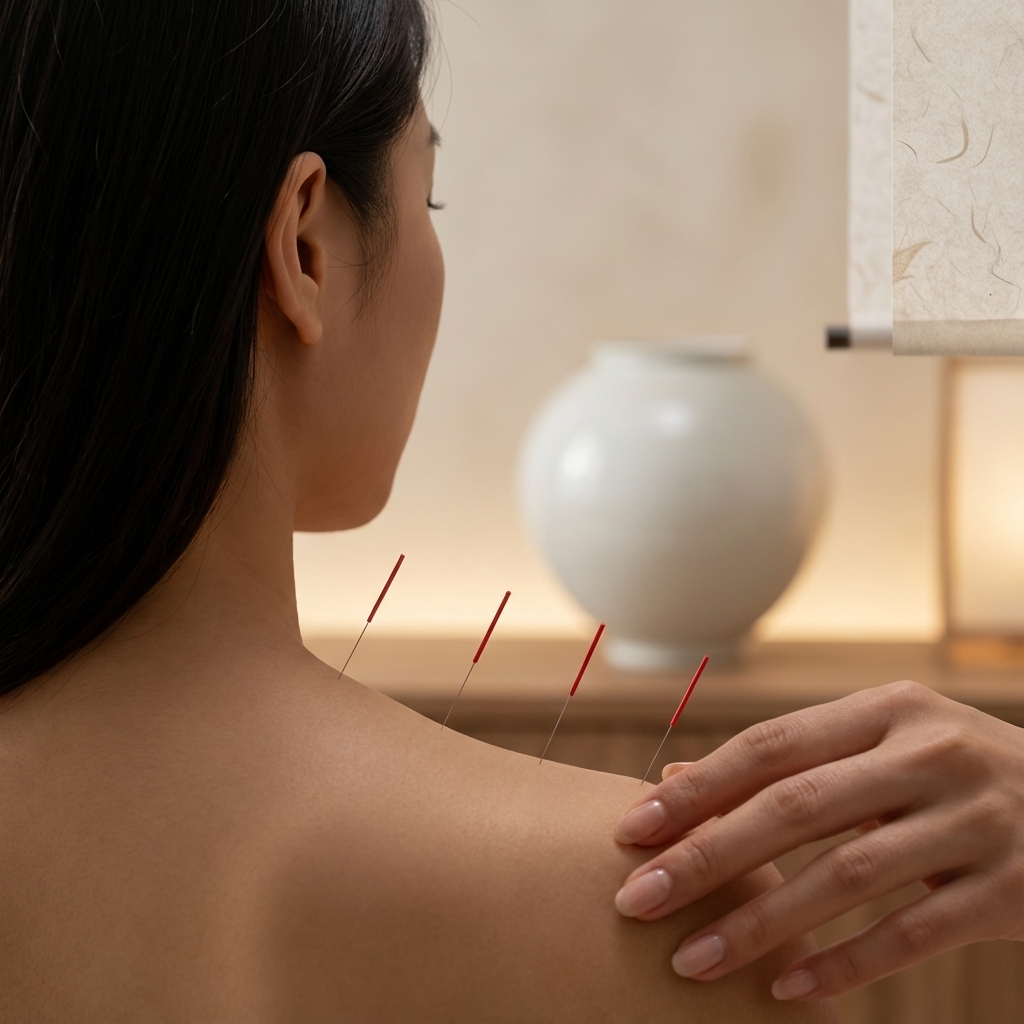
Piriformis syndrome has distinct occupational causative factors. Riding a motorcycle for long periods, like a delivery rider, fixes the hip joint in a flexed and externally rotated state, causing the piriformis muscle to contract continuously. Repeatedly climbing stairs, carrying heavy loads on one side, and standing for long periods with weight on one leg also cause pelvic asymmetry, leading to an overload on the piriformis muscle. When pain is severe on only one side, occupational causes often lead to asymmetry, and the recurrence rate is high if treatment is administered without posture correction. From a Korean medicine perspective, this type corresponds to a state where the function of organs responsible for digestion and circulation is impaired, and internal dampness and waste products are stagnated in the muscles. When Qi and blood become congested in the meridians running through the buttocks and the back of the thighs, the muscles become chronically stiff, and the supply of oxygen and nutrients decreases. At Dongjedang, we restore meridian circulation using acupuncture and moxibustion, and combine this with internal treatment to resolve internal dampness and blood stasis, allowing the piriformis muscle to regain normal elasticity. When the cause is repetitive occupational movements, thread embedding therapy for joint stabilization is also considered.
Related FAQs
-
Q
I was recommended surgery by an orthopedic surgeon. Is it possible to avoid surgery with treatment at a Korean medicine clinic alone?
#Possibility / Realistic Goals
-
Q
I’ve heard that Piriformis Syndrome tends to recur even after recovery. Can treatment at a Korean medicine clinic prevent recurrence?
#Possibility / Realistic Goals
-
Q
I have been told that I have both Piriformis Syndrome and a herniated disc (lumbar disc herniation). Can both be treated together?
#Comorbidities
-
Q
Are there any stretches or exercises that are good for piriformis syndrome? I am curious about methods that are safe to perform alone at home.
#Lifestyle Management
-
Q
I have to continue working even while undergoing treatment for piriformis syndrome. What precautions should I take in my work life?
#Lifestyle Management