

Q I am a diabetic patient in my 60s, and my feet are tingling and my sensation has dulled. Why does peripheral neuropathy occur?
A Diabetic peripheral neuropathy occurs when persistent high blood sugar damages the microvessels that supply oxygen and nutrients to the nerves. The nerve cells themselves also degenerate due to abnormal glucose metabolism, resulting in decreased sensation, tingling, and pain. It is characterized by a sock- or glove-shaped distribution that starts at the toes and gradually moves upward. Blood sugar control is key to slowing its progression.
Detailed Answer
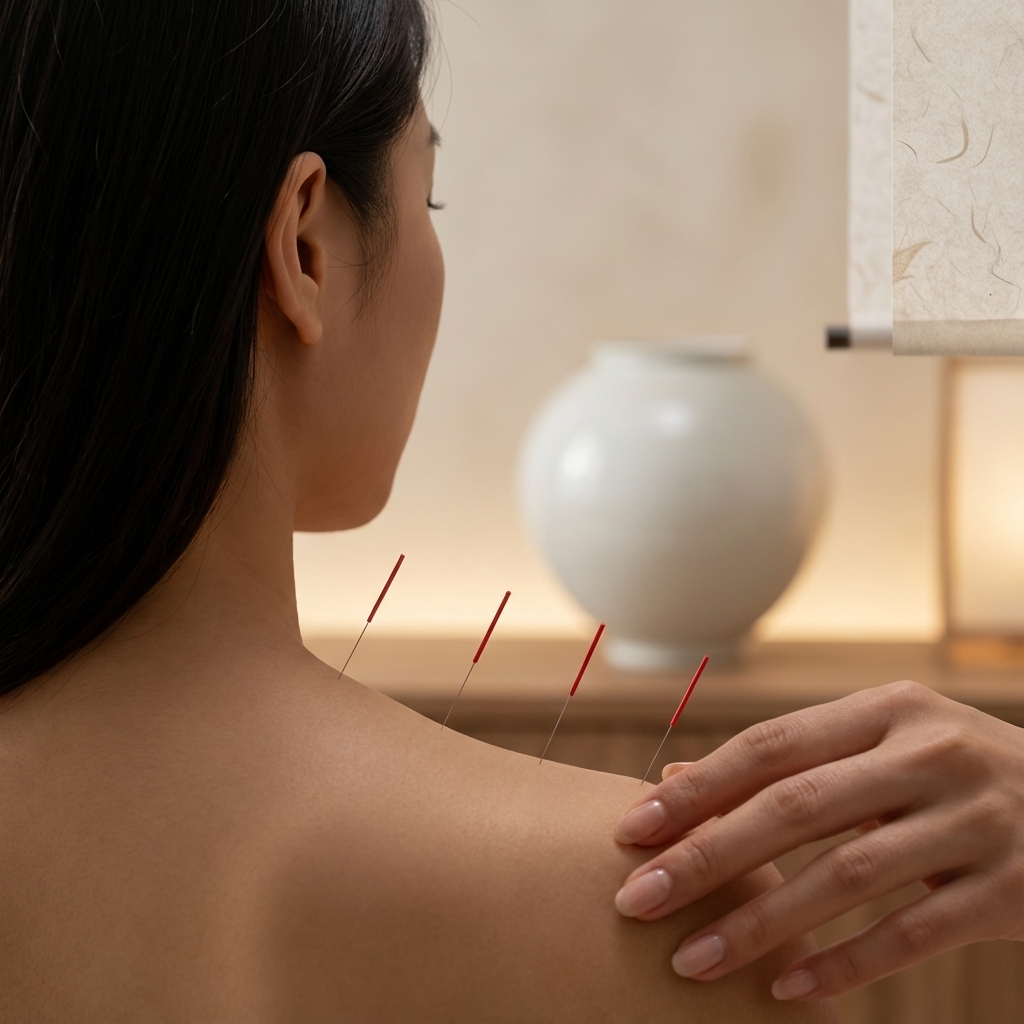
Peripheral neuropathy is a disease in which peripheral nerves, excluding the brain and spinal cord, are damaged, and the most common cause is diabetes. When a state of high blood sugar persists, the microvessels (vasa nervorum) supplying blood to the nerves thicken and narrow, causing the nerves to fall into a state of chronic ischemia. At the same time, the activation of the polyol pathway, which converts glucose into sorbitol, increased oxidative stress, and the accumulation of AGEs (Advanced Glycation End Products) directly damage nerve myelin sheaths and axons. As a result, function deteriorates in the order of sensory nerves → motor nerves → autonomic nerves. In Korean medicine, this condition is viewed as a type of Bi-jeung (a state of numbness and pain). Digestive and absorptive functions govern the muscles of the limbs, while kidney energy is responsible for bone marrow and vital essence. When diabetes persists, digestive and kidney functions weaken together, leading to insufficient production of Qi and blood. Consequently, Qi and blood do not circulate properly through the pathways of the extremities, resulting in numbness, decreased sensation, and coldness. Furthermore, if dampness and phlegm (waste products and fluids) block these pathways, the pain is exacerbated. At Dongjedang, we approach treatment by focusing acupuncture on Qi and blood pathways to nourish digestive function and kidney energy, and by using constitution-tailored herbal medicine that strengthens the spleen, stomach, and kidneys while eliminating dampness and phlegm to restore peripheral Qi and blood circulation from the root.
Related FAQs
-
Q
I have severe peripheral neuropathy that has lasted for over 10 years. Can I see results from Korean traditional medicine treatment? I am worried that it might be too late.
#Possibility / Realistic Goals
-
Q
I am experiencing numbness and pain in my hands and feet after chemotherapy. Is Korean traditional medicine helpful? This is chemotherapy-induced neuropathy.
#Possibility / Realistic Goals
-
Q
I have a herniated disc along with peripheral neuropathy. Can they be treated together? The symptoms overlap, so I am confused.
#Comorbidities
-
Q
Can I exercise if I have peripheral neuropathy? What kind of exercise is helpful?
#Lifestyle Management
-
Q
I have no sensation in my feet due to peripheral neuropathy. Is there anything I need to be particularly careful about in my daily life?
#Lifestyle Management