
Peripheral Neuropathy
Peripheral Neuropathy
Peripheral neuropathy of unexplained numbness and decreased sensation in hands and feet

# Possibility / Realistic Goals (2)
Q I have severe peripheral neuropathy that has lasted for over 10 years. Can I see results from Korean traditional medicine treatment? I am worried that it might be too late.
A. Even with chronic, severe peripheral neuropathy, symptom improvement is possible through Korean traditional medicine treatment. Rather than aiming for complete normalization, realistic goals are set to reduce pain and numbness, partially restore sensation, and improve quality of life. Although the treatment period may take longer, it is important not to give up.
View details →Q I am experiencing numbness and pain in my hands and feet after chemotherapy. Is Korean traditional medicine helpful? This is chemotherapy-induced neuropathy.
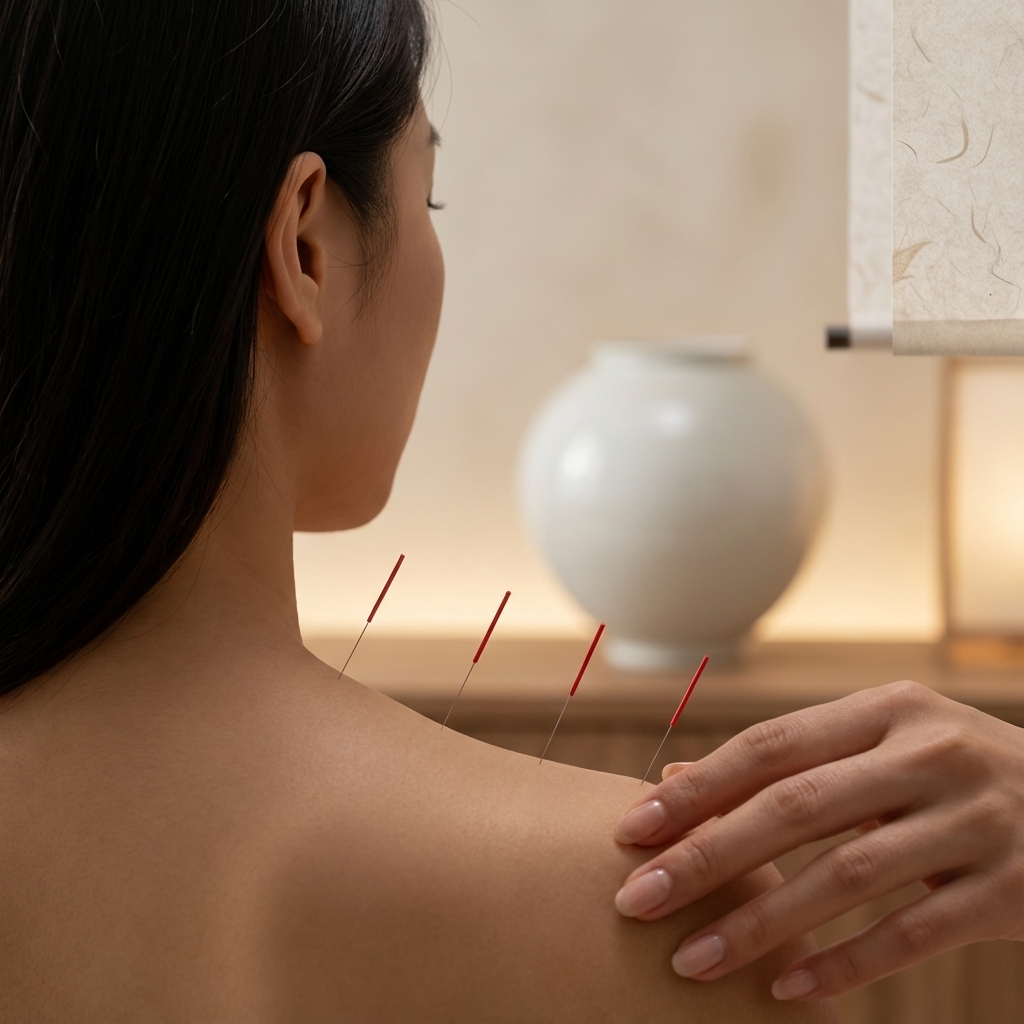
A. Symptoms of Chemotherapy-Induced Peripheral Neuropathy (CIPN) can be alleviated through Korean traditional medicine, and the effectiveness of acupuncture has been confirmed in various clinical studies. More aggressive treatment is possible after chemotherapy has ended.
View details →# Comorbidities (1)
# Lifestyle Management (2)
Q Can I exercise if I have peripheral neuropathy? What kind of exercise is helpful?
A. Appropriate aerobic exercise and balance training are recommended for patients with peripheral neuropathy. They improve blood circulation and maintain muscle strength to prevent falls. However, if you have reduced sensation in your feet, you may not even realize you have an injury, so you must check the condition of your feet after exercising.
View details →Q I have no sensation in my feet due to peripheral neuropathy. Is there anything I need to be particularly careful about in my daily life?
A. Since reduced foot sensation can prevent you from noticing wounds or burns, it is essential to visually check the condition of your feet every day. Basic guidelines include wearing cushioned shoes designed for diabetic feet, avoiding walking barefoot, and exercising caution with hot foot baths.
View details →# Safety (1)
# Drug Combination / Interactions (1)
# Prognosis / Recovery (2)
Q Is peripheral neuropathy curable? How long does treatment take to improve?
A. If the cause can be eliminated (vitamin deficiency, alcohol, toxins, etc.), a complete cure is possible. For diabetic cases, the realistic goal is to inhibit progression and improve symptoms through blood sugar control. The duration of treatment varies from 3 to 12 months depending on the severity and cause, and recovery is better with early treatment.
View details →Q Does peripheral neuropathy worsen if left untreated? Can it become difficult to walk?
A. If left untreated, peripheral neuropathy can gradually progress, leading to a decline in motor function, falls, foot ulcers, and, in severe cases, even the risk of amputation. In particular, the most dangerous aspect of diabetic neuropathy is the development of diabetic foot complications, where reduced sensation in the feet prevents the perception of wounds.
View details →# Causes Explained (2)
Q I am a diabetic patient in my 60s, and my feet are tingling and my sensation has dulled. Why does peripheral neuropathy occur?
A. Diabetic peripheral neuropathy occurs when persistent high blood sugar damages the microvessels that supply oxygen and nutrients to the nerves. The nerve cells themselves also degenerate due to abnormal glucose metabolism, resulting in decreased sensation, tingling, and pain. It is characterized by a sock- or glove-shaped distribution that starts at the toes and gradually moves upward. Blood sugar control is key to slowing its progression.
View details →Q Can peripheral neuropathy occur due to causes other than diabetes? I do not have diabetes, but my hands and feet feel numb.
A. Peripheral neuropathy can occur due to various causes other than diabetes, such as alcohol consumption, nutritional deficiencies (vitamin B12 deficiency), autoimmune diseases, toxicity from anticancer treatments, and hypothyroidism. Cases with unknown causes (idiopathic) account for 20–30% of the total. Blood tests and nerve conduction tests are necessary to identify the exact cause.
View details →# Food / Triggers (2)
Q What foods worsen the symptoms of peripheral neuropathy? Should I quit drinking alcohol?
A. Alcohol is the most harmful food for patients with peripheral neuropathy due to its direct neurotoxicity. Wheat products can also cause nerve inflammation in cases of gluten intolerance. Refined carbohydrates and sugary foods that cause hyperglycemia also worsen diabetic neuropathy.
View details →Q Are there any nutrients or foods that are good for peripheral neuropathy? Does taking Vitamin B supplements help?
A. Vitamins B12, B1, and B6 are essential for maintaining nerve myelin; a deficiency can cause peripheral neuropathy, while supplementation improves symptoms. Alpha-lipoic acid and omega-3 fatty acids also help reduce neurooxidative stress and improve blood flow. However, excessive intake of Vitamin B6 can be neurotoxic, so the recommended dosage must be adhered to.
View details →# Treatment Schedule (1)
# Treatment Stages (2)
Q What kind of treatment do you receive when visiting a Korean medicine clinic for the first time for peripheral neuropathy?
A. During the first visit, a differential diagnosis is identified through a detailed medical history and neurological examination. Subsequently, an intensive initial treatment plan is established, focusing on acupuncture, pharmacopuncture, and moxibustion. If necessary, ultrasound-guided pharmacopuncture is used to directly target the area around the nerve pathway.
View details →Q Do I need to continue treatment even after some degree of improvement? Is maintenance therapy necessary?
A. Once symptoms improve by more than 50% following initial intensive treatment, we transition to maintenance therapy, which reduces the frequency of visits. Maintenance therapy focuses on preventing recurrence and managing the underlying disease, and effectiveness can be maintained with just one visit every 2 to 4 weeks.
View details →# Effectiveness (2)
Q Is acupuncture actually effective for the numbness and pain associated with peripheral neuropathy? I am only taking Western medicine, but it is not getting better.
A. Acupuncture treatment has been reported to have clinically significant effects on numbness, pain, and sensory impairment associated with peripheral neuropathy. In particular, improvements in nerve conduction velocity and pain reduction have been confirmed in diabetic neuropathy. Combined acupuncture and pharmacopuncture treatment serves as an effective alternative when conditions are not well controlled with Western medication.
View details →Q Is it true that herbal medicine helps with nerve recovery? I am curious if damaged nerves can be regenerated by herbal medicine.
A. Herbal medicine helps restore nerve function by improving the microvascular environment surrounding nerves, reducing oxidative stress, and suppressing inflammation, rather than directly regenerating nerve cells. The peripheral blood flow-increasing effects of blood-activating herbs such as Astragalus membranaceus, Angelica sinensis, and Cnidium officinale have been confirmed in experiments and clinical trials.
View details →Peripheral Neuropathy is not just a simple symptom
Korean medicine that considers both your constitution and lifestyle rhythm treats the root cause.
From consultation to precise treatment, we provide personalized care.
Prescriptions tailored to your constitution and symptoms treat the root cause
The director personally sees you from first to follow-up visits
We identify the essence through Sasang constitution, pulse and abdominal diagnosis
Treatment based on long clinical experience and evidence
Was this helpful? If you need accurate care for your condition, please contact us below.