
Q I am a 28-year-old designer. I have been diagnosed with straight neck syndrome and am about to start treatment. How long does it usually take to see improvement? Is it possible to return to a full C-curve?
A Pain and muscle tension usually improve significantly within 4 to 8 weeks of treatment. Structural recovery of the cervical curve takes longer, requiring consistent corrective therapy and exercise for at least 3 to 6 months; the younger and more flexible you are, the higher the chances of recovery. The prognosis is generally good for those in their 20s.
Detailed Answer
Recovery from straight neck syndrome should be viewed in two stages. First, the improvement in pain and muscle tension is relatively rapid; in many cases, daily discomfort is significantly reduced within 4 to 8 weeks, based on treatment once or twice a week. Second, structural recovery of the cervical curve itself requires the reorganization of ligament and muscle lengths and tension patterns, necessitating at least 3 to 6 months of corrective therapy and posture and exercise management. Although individuals in their 20s have good tissue elasticity and a relatively high potential for curve recovery, recurrence is likely if the same work posture persists even after treatment, so improvements to the working environment must be implemented alongside treatment.
Perspective of a Korean Medicine Clinic
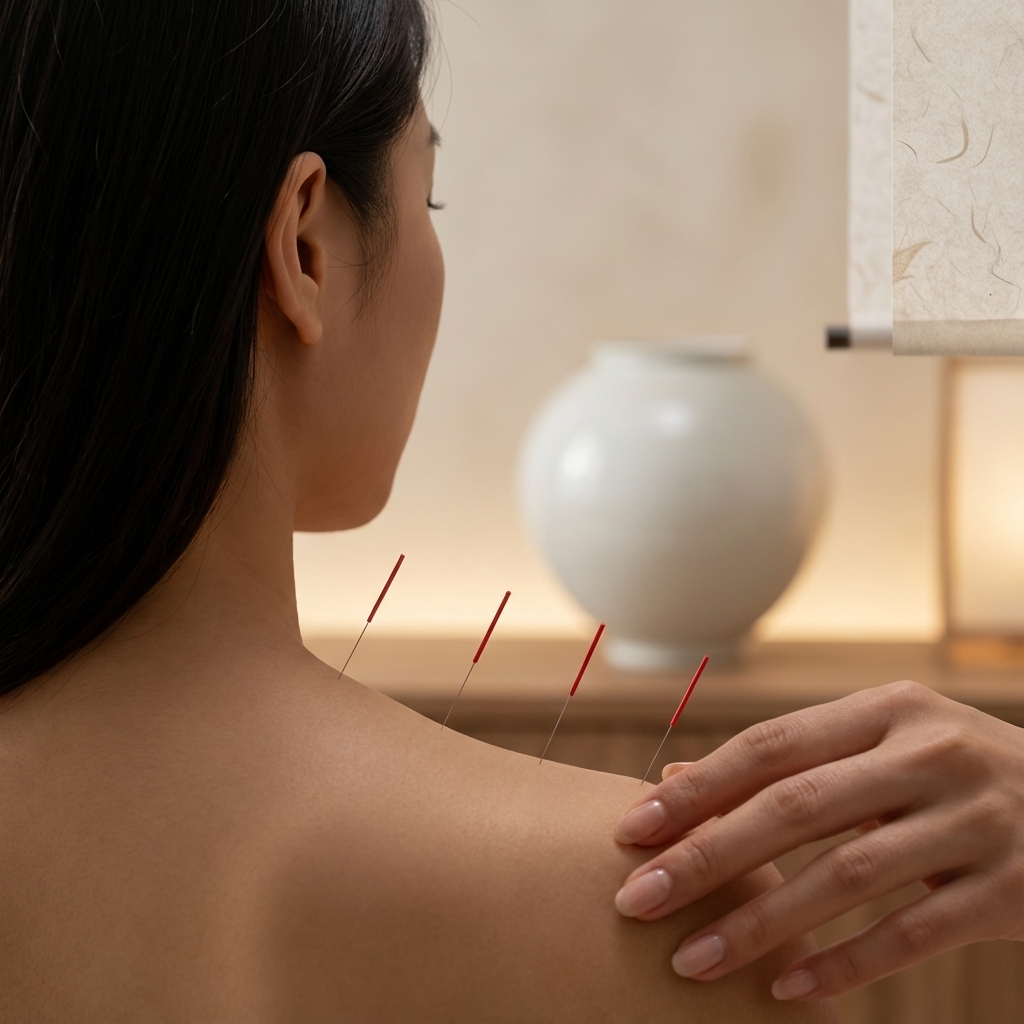
In Korean medicine, the speed of recovery is measured by the robustness of the body's inherent regenerative capacity. Even with the same condition of straight neck, young patients with only circulatory stagnation can be relieved quickly by restoring the flow of Qi and blood through acupuncture and Chuna manual therapy; however, recovery is slower in cases where the liver's blood has been depleted due to overtime work and irregular lifestyles, causing the muscles to lose nutrients. Therefore, treatment is designed in stages—in the initial stages, tension is relieved with acupuncture; hardened adhesions are separated with needles; and if the ligaments supporting the curve are weak, regeneration is promoted using thread embedding and fire acupuncture to help maintain the corrected alignment. Simultaneously, by clearing accumulated fatigue, waste products, and stagnant blood, and replenishing the energy of the liver and kidneys with herbal medicine tailored to the individual's constitution, the tissue regenerative capacity that forms the basis of structural recovery is enhanced, thereby shortening the treatment period and reducing recurrence.
Related FAQs
-
Q
I am a 38-year-old bank employee who has had forward head posture for 10 years. Honestly, I am curious: is it realistically possible to restore the original neck curve for a neck that has been like this for 10 years? Or is pain management the best option?
#Possibility / Realistic Goals
-
Q
I am a 44-year-old logistics center manager with early-stage cervical disc herniation. The orthopedic doctor says that surgery might be necessary if the condition worsens, but is it possible to manage this with traditional Korean medicine treatments without surgery?
#Possibility / Realistic Goals
-
Q
I am a 47-year-old woman working in a sewing factory. I have a forward head posture and stiff shoulders as a matter of course, and lately, my arms have been tingling as well. Are the tingling in my shoulders and arms also due to the forward head posture, or are there other underlying conditions?
#Comorbidities
-
Q
I am a 36-year-old developer in my third year of working from home. I have started treatment for straight neck syndrome, but how should I change my home desk environment to prevent recurrence?
#Lifestyle Management
-
Q
I am a 42-year-old housewife looking to start exercising. There are so many exercises said to be good for forward head posture that I am confused. Please tell me just a few key exercises I can do at home every day.
#Lifestyle Management