
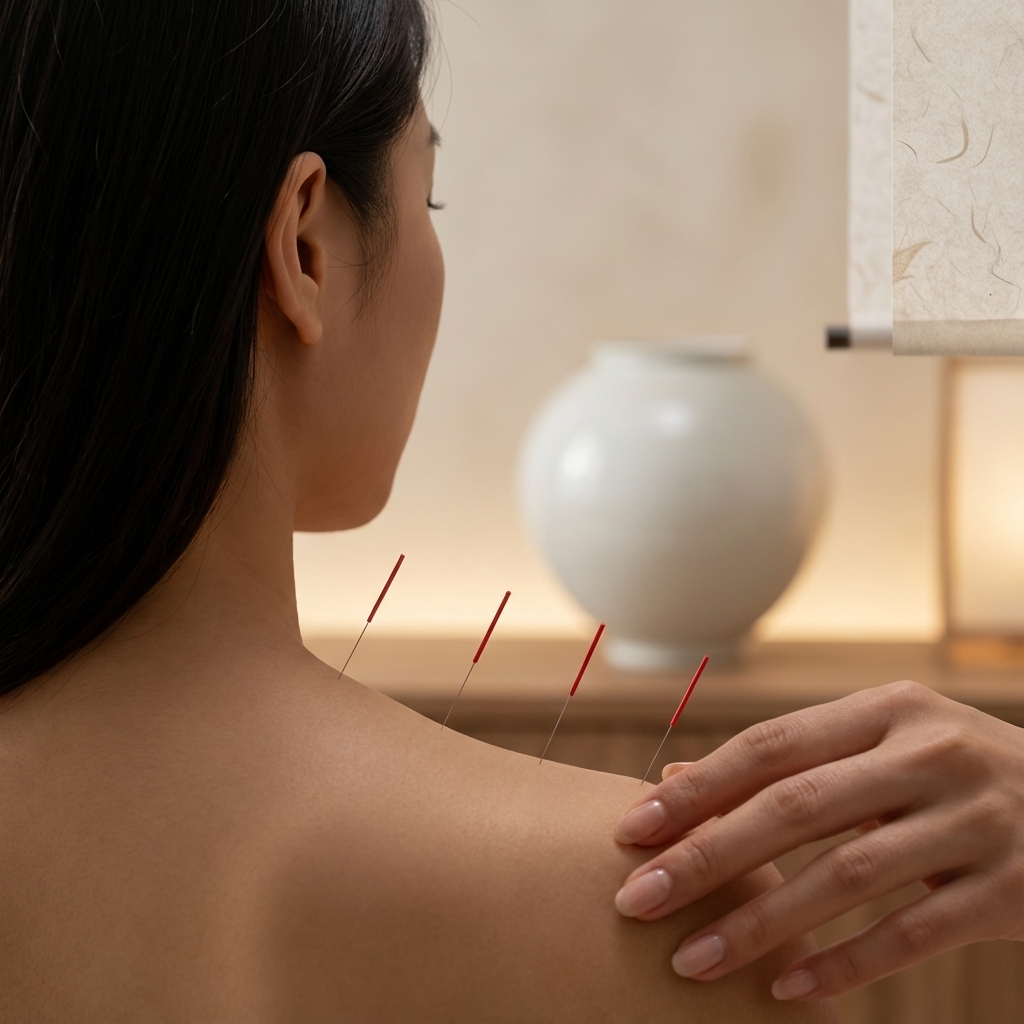
Fibromyalgia
Fibromyalgia
Fibromyalgia, accompanied by general body aches, fatigue, and sleep disorders
# Possibility / Realistic Goals (2)
Q I am a woman in my 60s who has suffered from fibromyalgia for over 10 years. Would Korean traditional medicine be helpful in such a long-standing case?
A. While the response to treatment may be slower the longer the chronic period, there are cases where patients experience pain reduction and improved quality of life even after more than 10 years. It is important to set realistic goals of pain control and functional recovery rather than a complete cure, and to approach treatment consistently. Starting treatment without giving up is the very beginning of change.
View details →Q I am an office worker in my 40s currently on leave due to fibromyalgia. Can I return to work with Korean traditional medicine treatment?
A. There are cases of successful return to work through integrated management that includes Korean traditional medicine treatment. If pain is reduced by more than 50% and sleep improves, an attempt to return to work is possible. A phased return, starting with part-time or remote work, is recommended. It is also important to prepare coping strategies for the workplace environment (posture and stress).
View details →# Comorbidities (1)
# Lifestyle Management (2)
Q I am a housewife in my 40s with fibromyalgia. Should I exercise? What kind of exercise is good?
A. Aerobic exercise is one of the non-pharmacological treatments for fibromyalgia with the highest level of evidence. The key is to start with low-impact aerobic exercises, such as aquatic exercise (aqua aerobics), walking, and cycling, at a low intensity and gradually increase it. You need the flexibility to start with 5 to 10 minutes and reduce the amount if pain worsens.
View details →Q I am a woman in my 50s living in Dong-gu, Incheon. It is very difficult for me to sleep due to fibromyalgia. Are there any ways to improve my sleep?
A. Improving sleep hygiene is the key to managing fibromyalgia. The basic principles include going to bed and waking up at the same time every day, blocking electronic devices for one hour before bedtime, maintaining a cool bedroom temperature of 18–20 degrees, and prohibiting caffeine after 2 PM. Relaxation techniques (progressive muscle relaxation, abdominal breathing) also help with falling asleep.
View details →# Safety (1)
# Drug Combination / Interactions (1)
# Prognosis / Recovery (2)
Q I am a woman in my 30s, and my fibromyalgia repeatedly improves only to suddenly worsen. Is this normal?
A. Yes, fibromyalgia typically follows a flare pattern where symptoms improve and then worsen. Sleep deprivation, excessive physical activity, weather changes, and stress are major triggers. During a flare, it is important to maintain a consistent pace without excessively increasing or decreasing activity levels.
View details →Q I am a woman in my 50s wondering if fibromyalgia can be completely cured or if it requires lifelong management.
A. Fibromyalgia is a chronic disease where the goal is management and symptom control rather than a complete cure. However, with active treatment, pain often decreases by more than 50%, and daily functions are frequently fully restored. In some patients, a state of complete remission is maintained for a long period. Sufficient intensive management during the early stages of treatment is crucial for the long-term prognosis.
View details →# Causes Explained (2)
Q I am a housewife in my 40s. I heard that having unexplained aches and pains all over my body is fibromyalgia. Why does my whole body hurt like this?
A. Fibromyalgia is a condition caused by hypersensitivity in the central nervous system's pain processing. It is a state in which the brain and spinal cord excessively amplify pain signals, resulting in persistent pain throughout the body even without actual tissue damage. Stress, lack of sleep, and hormonal changes act in combination.
View details →Q I am an office worker in my 30s. Is it true that lack of sleep and severe stress worsen fibromyalgia?
A. Yes, sleep disorders and chronic stress are major aggravating factors and causative elements of fibromyalgia. When growth hormone and pain-regulating substances secreted during deep sleep stages decrease, central sensitization intensifies. Chronic elevation of cortisol, a stress hormone, also lowers the pain threshold.
View details →# Food / Triggers (2)
Q I am a woman in my 30s. Are there any foods I should avoid when I have fibromyalgia?
A. Processed foods, refined sugars, and trans fats can increase systemic inflammation and worsen pain. Caffeine and alcohol also disrupt sleep and interfere with the autonomic nervous system, exacerbating symptoms. There are also reports of symptoms improving when consuming less gluten or dairy products in cases of sensitivity.
View details →Q I am a housewife in my 40s; please let me know if there are any foods that are good for fibromyalgia.
A. Foods rich in omega-3 fatty acids with anti-inflammatory effects (salmon, mackerel, perilla oil) and foods rich in magnesium (nuts, spinach, tofu) are helpful. Since there are studies linking vitamin D deficiency to fibromyalgia, exposure to sunlight and the consumption of oily fish are recommended. Fermented foods are also beneficial for maintaining a balance of gut microorganisms.
View details →# Treatment Schedule (1)
# Treatment Stages (2)
Q I am a woman in my 40s who has just been diagnosed with fibromyalgia, and I would like to know the entire process of how treatment is conducted at the Korean medicine clinic.
A. During the first visit, a detailed medical history and body type analysis are used to identify the differential diagnosis (identifying which organ or meridian is affected), and a customized treatment plan is established based on this. Treatment proceeds in stages, following the sequence of meridian circulation using acupuncture and moxibustion → anti-inflammation using pharmacopuncture and bee venom therapy → internal reinforcement using herbal medicine. The plan is adjusted by checking for changes at each visit.
View details →Q I am a woman in my 50s who has been receiving treatment for fibromyalgia for 6 months. My symptoms have improved significantly, but how long should I continue treatment?
A. If symptoms improve by more than 70–80% and remain flare-free for 2–3 months, you can extend the treatment cycle or try discontinuing the herbal medicine. Rather than aiming for a complete end to treatment, receiving management treatment during vulnerable periods such as seasonal changes or stress is more effective in preventing recurrence. It is important to establish a gradual reduction plan with your attending Korean medicine doctor.
View details →# Effectiveness (2)
Q I am a woman in my 50s, and I am skeptical about whether traditional Korean medicine treatment is actually effective for fibromyalgia. Is there any evidence to support this?
A. There are multiple randomized controlled trials and meta-analyses showing that acupuncture is effective for pain relief and sleep improvement in fibromyalgia. In particular, significant results are reported regarding reductions in pain scores and improvements in quality of life. In many cases, better results are observed when combined with medication.
View details →Q I am an office worker in my 40s living in Dongincheon, and I am curious about how herbal medicine can help with fibromyalgia.
A. Herbal medicine acts in combination to alleviate pain, improve fatigue, and enhance sleep quality in fibromyalgia. Various mechanisms have been reported, including the regulation of inflammatory cytokines, restoration of neurotransmitter balance, and antioxidant effects. It often shows synergistic effects when combined with acupuncture treatment rather than taken alone.
View details →Fibromyalgia is not just a simple symptom
Korean medicine that considers both your constitution and lifestyle rhythm treats the root cause.
From consultation to precise treatment, we provide personalized care.
Prescriptions tailored to your constitution and symptoms treat the root cause
The director personally sees you from first to follow-up visits
We identify the essence through Sasang constitution, pulse and abdominal diagnosis
Treatment based on long clinical experience and evidence
Was this helpful? If you need accurate care for your condition, please contact us below.