
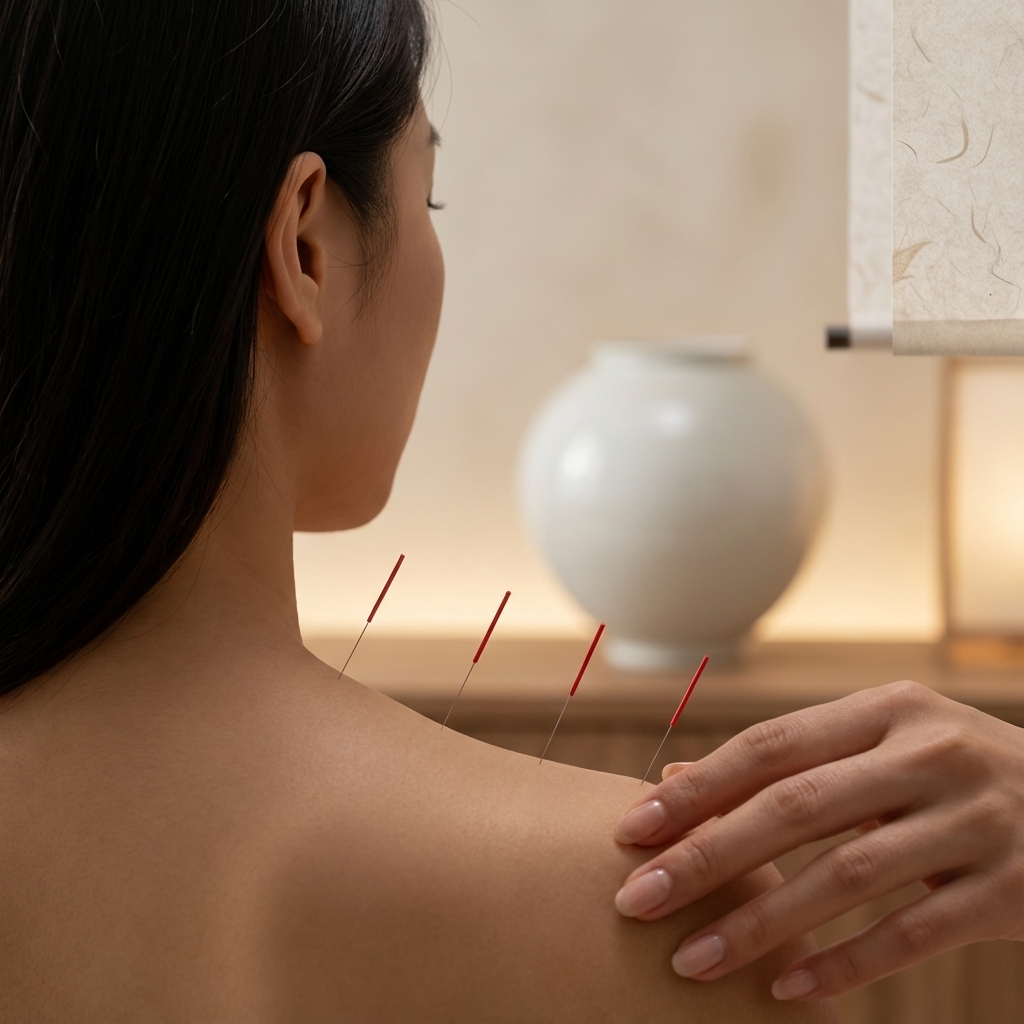

Q I am a 33-year-old woman planning to visit a Korean medicine clinic for the first time due to back pain. What tests and treatments will I receive during the initial consultation? Will I be treated immediately on the same day?
A During the initial consultation, we conduct a medical history interview, posture and movement tests, and, if necessary, check the condition of muscles and ligaments using ultrasound, followed by a diagnosis based on Korean medical differential diagnosis. If there are no warning signs, it is common to start with acupuncture treatment on the same day. Based on the test results, you will be guided on the overall treatment plan and duration.
Detailed Answer
The most important aspect of the initial evaluation for chronic lower back pain is identifying warning signs (red flags). If there is nocturnal pain, unexplained weight loss, fever, leg numbness, or bowel and bladder dysfunction, a detailed examination is the priority. In cases of nonspecific lower back pain lacking such signals, the primary source of pain is narrowed down through pain patterns during flexion and extension, neurological examinations of the lower extremities, and sacroiliac and facet joint provocation tests. Additionally, musculoskeletal ultrasound is used to check for multifidus muscle atrophy or the condition of ligaments to determine the treatment target. From the perspective of a Korean medicine clinic, Korean medical diagnosis adds a layer called differential diagnosis (Byeonjeung) to this process. Even with the same lower back pain, it is classified differently depending on the condition: if the pain is sharp and worsens at night, it is classified as blood stasis lower back pain; if it feels cold, heavy, and sensitive to weather, it is cold-dampness lower back pain; and if the pain is dull and worsens with fatigue, it is kidney deficiency lower back pain. Treatment strategies vary for each type. Dongjedang’s initial consultation overlays these two diagnoses. By matching tissue findings from ultrasound with the differential diagnosis identified through pulse, abdominal, and questioning, the weight of external treatment (starting with acupuncture and expanding to moxibustion, thread embedding, and pharmacopuncture as needed) and internal treatment (herbal medicine tailored to the constitution to clear blood stasis and dampness and correct internal organs) is determined. If there are no warning signs, acupuncture treatment will begin on the same day. If it is determined that a detailed examination is necessary, we will guide you to medical tests first, so please do not feel burdened by your first visit.
Related FAQs
-
Q
I am a 58-year-old male. I have been advised to have spinal surgery, but I am scared and hesitant. In what cases is it possible to manage the condition with Korean medicine treatment without surgery?
#Possibility / Realistic Goals
-
Q
I am a 67-year-old woman who has had back pain for 20 years. At this age, can such long-standing pain be treated and improved? Is it too late?
#Possibility / Realistic Goals
-
Q
I am a 45-year-old female academy instructor. I have chronic lower back pain and numbness in my legs. As the pain has persisted, I have also developed depression and insomnia. Do you address these issues as well?
#Comorbidities
-
Q
I am a 52-year-old male civil servant. There is conflicting information regarding whether walking or swimming is good for the back; what exercise is actually helpful for chronic lower back pain?
#Lifestyle Management
-
Q
I am a 40-year-old female nurse. My lower back hurts the most when I wake up. Do sleeping positions or mattresses affect chronic lower back pain? How should I sleep?
#Lifestyle Management