
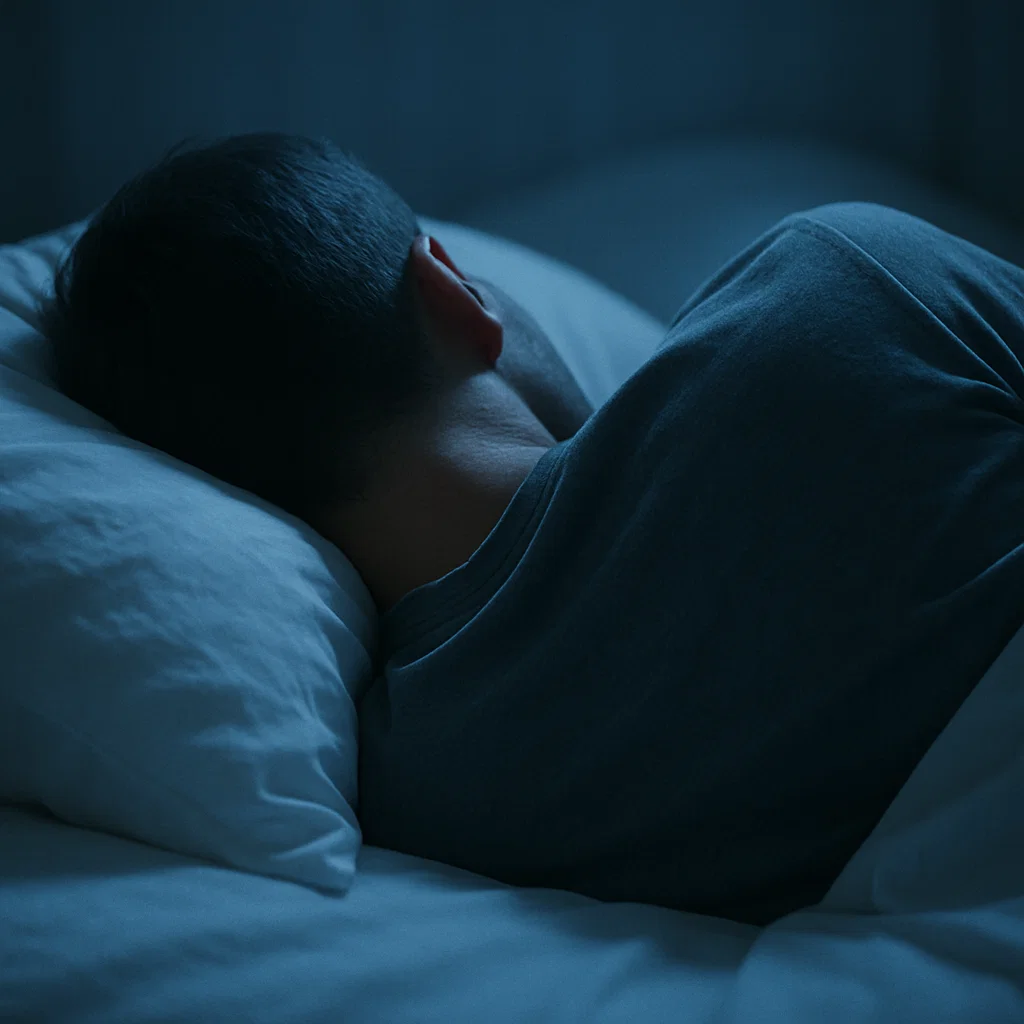

Q How should I manage sleep when I have panic disorder?
A Maintaining a regular sleep schedule and eliminating stimulating inputs before bedtime are the core lifestyle strategies for reducing panic attack frequency.
Detailed Answer
Sleep deprivation heightens amygdala hypersensitivity and weakens the prefrontal cortex's regulatory capacity, greatly increasing the risk of panic attacks. Key practices include turning off smartphone and TV screens one hour before bed, keeping the bedroom temperature between 18–20 °C, and maintaining a consistent wake time even on weekends. Writing worries in a "worry journal" before sleep helps the brain process anxious thoughts as complete, reducing over-arousal during the night.
Korean Medicine Clinic Perspective
In Korean medicine, during sleep the Heart-Mind (心神) must return to the Blood so that the brain and organs can recover. Deficient Heart Blood leads to vivid dreaming, frequent waking, and increased panic vulnerability the following day. At Dongjedang, sedating herbs such as Sanjoinin (酸棗仁), Yagyodeung (夜交藤), and Yonggol (龍骨) are added to prescriptions to improve sleep quality and strengthen the body's defense against panic attacks.
Related FAQs
-
Q
Can people with panic disorder maintain their work and daily life?
#Possibility / Realistic Goals
-
Q
I have panic disorder and also feel quite depressed. Can both be treated together with Korean medicine?
#Comorbidities
-
Q
Is there a method I can use immediately when I feel a panic attack is about to occur?
#Lifestyle Management
-
Q
Will taking herbal medicine for panic disorder make me more anxious or cause side effects?
#Safety
-
Q
When should I go to the emergency room during a panic attack?
#Safety