
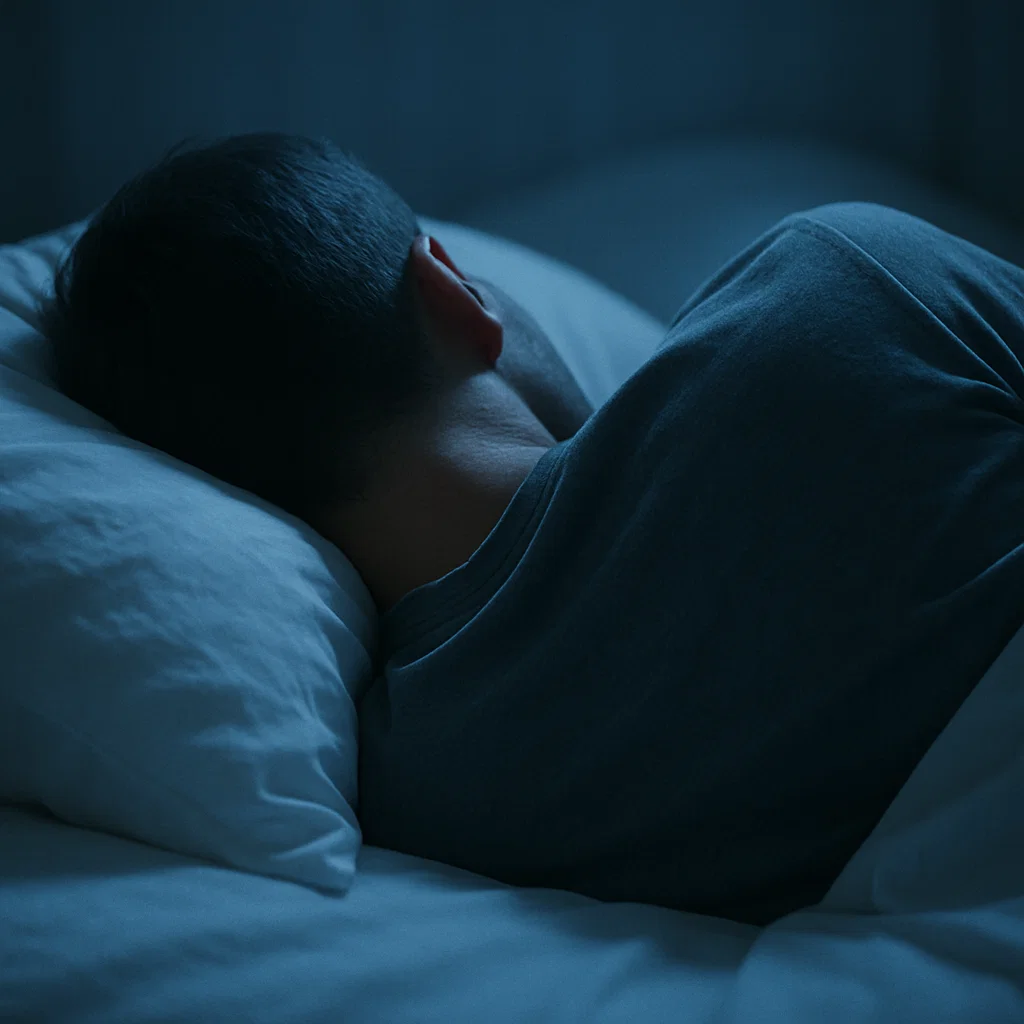
Bipolar Disorder
Bipolar Disorder
Extreme mood swings between highs and lows

# Possibility / Realistic Goals (1)
# Comorbidities (1)
# Lifestyle Management (2)
Q Can I still work with bipolar disorder? I'd like to know how to manage it while holding a job.
A. When episodes are well-controlled with mood stabilizers, maintaining a work life is entirely possible. Fixing sleep times, avoiding alcohol, and limiting excessive overtime are the core strategies. Keeping a daily journal helps you catch episode warning signs early.
View details →Q I heard exercise helps with bipolar disorder — what type of exercise and how much is recommended?
A. Regular aerobic exercise (3–5 times per week, 30 minutes) is effective for mood stabilization and improving sleep quality. However, excessive exercise during manic episodes may further elevate energy levels and should be approached with caution.
View details →# Safety (1)
# Drug Combination / Interactions (2)
Q I am taking lithium — is it safe to take herbal medicine at the same time? I am worried it might affect my lithium levels.
A. Lithium has a very narrow therapeutic range, so caution is essential. Please share your full medication list before we prescribe herbal medicine, so we can avoid any ingredients that may affect lithium excretion and ensure safe treatment.
View details →Q I have been on mood stabilizers for a long time and want to reduce the dose — can combining Korean medicine treatment eventually help lower it?
A. It is possible, but must be led by your prescribing physician. The safe approach is to first confirm stability of sleep, anxiety, and residual symptoms through Korean medicine treatment, then allow the psychiatrist to evaluate whether dose reduction is appropriate.
View details →# Prognosis / Recovery (2)
Q Does bipolar disorder mean taking medication for life? Is a full recovery possible?
A. The goal is long-term management rather than a cure. Many people who consistently take mood stabilizers and manage their sleep and stress live stably without episodes for years.
View details →Q How can I tell when a manic episode is coming? Is there a way to catch it early?
A. Early warning signs include sleeping less but not feeling tired, speaking faster, overflowing with energy, and a rush of plans and ideas. When these signals appear, contact your doctor immediately and deliberately increase your sleep time.
View details →# Causes Explained (2)
Q Why does bipolar disorder develop? Is it a personality issue or a brain problem?
A. It is not a personality issue — it is a biological condition arising from imbalances in the brain's mood-regulation circuits and neurotransmitters. Genetic predisposition, stress, and disrupted sleep patterns all interact to trigger episodes.
View details →Q I heard Bipolar I and Bipolar II are different — how do they differ, and does treatment change?
A. Bipolar I is defined by full manic episodes (severe enough to require hospitalization), while Bipolar II features hypomanic episodes (less severe) alternating with major depressive episodes. The intensity differs significantly, but the core treatment principle with mood stabilizers is the same.
View details →# Food / Triggers (2)
Q Are there foods or habits that trigger manic or depressive episodes? Is even one drink of alcohol okay?
A. Alcohol destabilizes neurological excitation and disrupts lithium levels, increasing the risk of episodes, so complete abstinence is the standard. Excessive caffeine, irregular meals, and disrupted sleep are also important episode triggers.
View details →Q I heard that pulling an all-nighter or jet lag from overseas travel can bring on mania — is that true?
A. Yes, sleep deprivation is one of the most powerful triggers of manic episodes. Even one or two nights of insufficient sleep can be enough to initiate a manic episode, making sleep rhythm maintenance as important as medication.
View details →# Treatment Schedule (2)
Q I already see a psychiatrist and it feels like a lot to also visit a Korean medicine clinic regularly. How often do I need to come?
A. Every 2–4 weeks is typical at first, and once stable, this can be reduced to once a month. Scheduling your psychiatry and Korean medicine visits on alternating weeks helps distribute the burden.
View details →Q I am looking for a Korean medicine clinic near Dong-incheon. What happens during a first visit for bipolar disorder?
A. At the first visit, we take a thorough history of your past episodes, current medications, and patterns of sleep, energy, and mood, followed by an examination. Together we establish a safe combined treatment direction and lifestyle management plan.
View details →# Treatment Stages (1)
# Effectiveness (2)
Q I am already taking psychiatric medication — is there any real difference from adding Korean medicine treatment?
A. While mood stabilizers work to prevent episodes, Korean medicine treatment complements residual symptoms such as sleep quality, energy recovery, and anxiety reduction. It helps improve quality of life while maintaining conventional medication.
View details →Q Can I just take herbal medicine instead? The side effects of mood stabilizers are really hard to bear and I want to stop.
A. Stopping mood stabilizers on your own is extremely dangerous. Abruptly discontinuing lithium or valproate can trigger rebound mania, so you must consult your prescribing psychiatrist first. Korean medicine can be used alongside to help manage side effects.
View details →Bipolar Disorder is not just a simple symptom
Korean medicine that considers both your constitution and lifestyle rhythm treats the root cause.
From consultation to precise treatment, we provide personalized care.
Prescriptions tailored to your constitution and symptoms treat the root cause
The director personally sees you from first to follow-up visits
We identify the essence through Sasang constitution, pulse and abdominal diagnosis
Treatment based on long clinical experience and evidence
Was this helpful? If you need accurate care for your condition, please contact us below.