
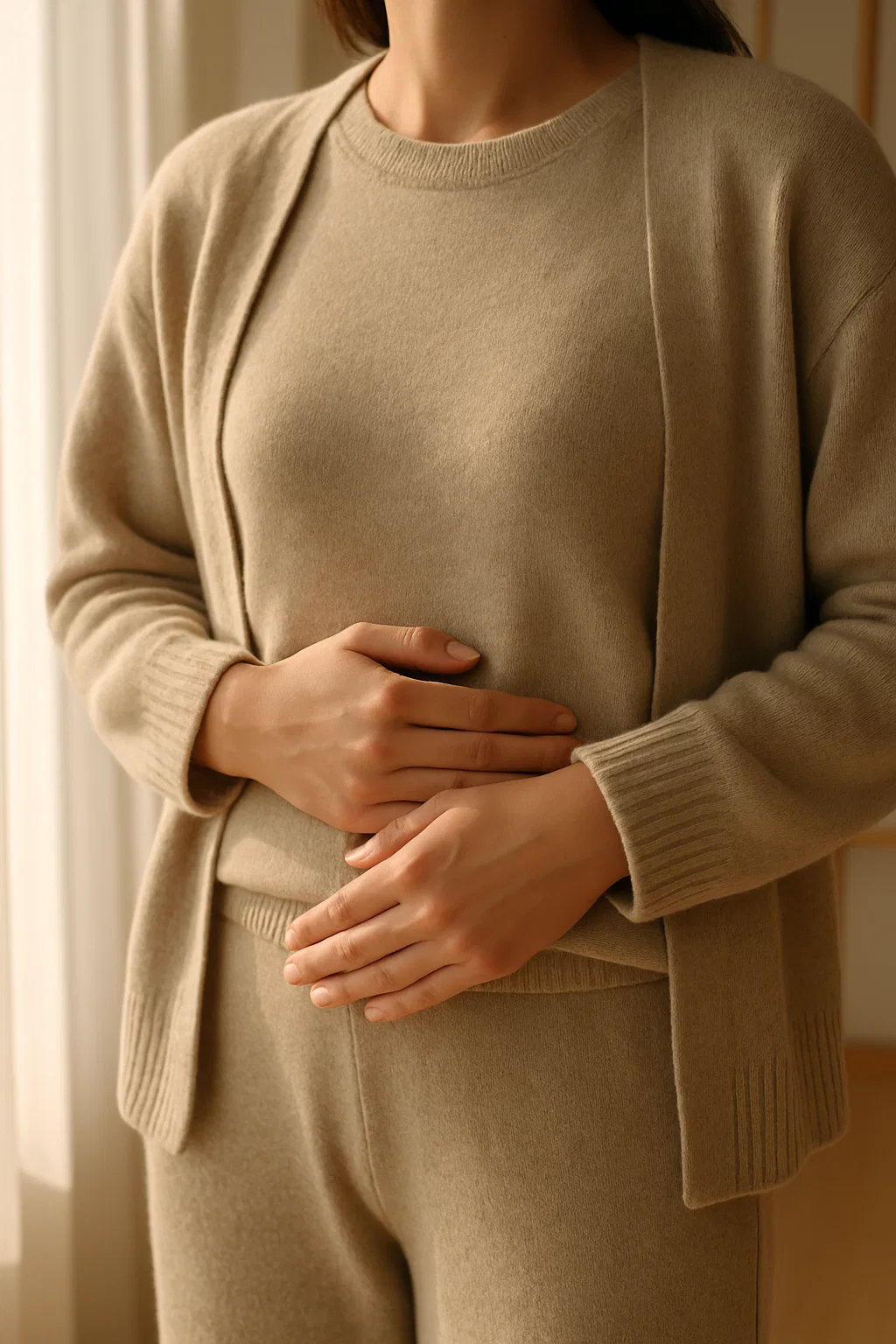
Inflammatory Bowel Disease
IBD
Chronic inflammation of the digestive tract
# Possibility / Realistic Goals (1)
# Comorbidities (1)
# Lifestyle Management (2)
Q Can I exercise after a Crohn's diagnosis? Does smoking really worsen Crohn's?
A. Light aerobic exercise during remission helps with immune regulation, fatigue reduction, and quality of life. Smoking is a strong risk factor confirmed to more than double relapse in Crohn's, so you must quit.
View details →Q I heard IBD impairs nutrient absorption. Are there nutrients I especially need to supplement?
A. Iron, vitamin D, calcium, folate, and B12 deficiencies are common. In Crohn's especially, when the small intestine is involved, absorption of fat-soluble vitamins and B12 drops markedly. It is important to check for deficiencies with regular blood tests and supplement them.
View details →# Safety (1)
# Drug Combination / Interactions (2)
Q I take 5-ASA (mesalazine) daily. Is it safe to take it together with herbal medicine?
A. If you space them out, they can generally be combined. We advise taking herbal and conventional medicines 1-2 hours apart, and you must tell us all your medications at the consultation so we can tailor the prescription.
View details →Q I'm in the process of tapering steroids. Can herbal medicine help with the reduction?
A. Steroid tapering must always be done in cooperation with your gastroenterologist, and Korean medicine treatment can play a supportive role for the intestinal inflammation reactivation and systemic fatigue that arise during tapering. Tapering on your own is dangerous.
View details →# Prognosis / Recovery (2)
Q Can IBD be cured? I'm curious how long the remission state lasts.
A. With current technology, the goal for IBD is long-term remission maintenance rather than a cure. With appropriate treatment and lifestyle management kept up consistently, many people live for years without symptoms.
View details →Q I heard ulcerative colitis raises colorectal cancer risk. How should I manage it regularly?
A. The longer you have had ulcerative colitis, the higher the colorectal cancer risk, so regular colonoscopy follow-up is essential. The standard guideline is to have a colonoscopy every 1-2 years once 8-10 years have passed since onset.
View details →# Causes Explained (2)
Q Why does Crohn's disease develop? I heard it's due to an immune abnormality—what exactly is the condition?
A. The core is an autoimmune reaction in which the immune system mistakes the intestinal lining for an external enemy and attacks it. It is known to develop in people with a genetic predisposition when gut microbiome imbalance and environmental triggers overlap.
View details →Q I heard gut bacteria are related to IBD. Can diet or antibiotics be a trigger?
A. Yes. A Westernized diet, excessive antibiotic use, and over-sanitized environments reduce gut microbiome diversity and raise the risk of developing IBD. When the microbiome collapses, the intestinal mucosal barrier weakens and immune overactivation occurs.
View details →# Food / Triggers (2)
Q I live in Dongincheon, Incheon, and often eat seafood like raw fish. Are there foods I should avoid with IBD?
A. A low-residue diet is the basic principle, and raw vegetables, whole grains, nuts, and raw fish can irritate the intestine during a flare, so caution is needed. Trigger foods differ from person to person, so it is important to keep a food diary to identify your own pattern.
View details →Q I'm an office worker under a lot of stress, and whenever something stressful happens my gut acts up. Is IBD really linked to stress?
A. Yes. Stress raises intestinal permeability and stimulates immune responses through the gut-brain axis, triggering IBD worsening. Stress management is essential for symptom control.
View details →# Treatment Schedule (2)
Q I want to manage IBD in Dong-gu, Incheon. How should I combine Korean medicine clinic treatment with internal medicine treatment?
A. The safest approach is to maintain your current treatment at the internal medicine clinic while the Korean medicine clinic plays a supportive role in strengthening remission, recovering from fatigue, and regenerating the intestinal mucosa. It is important to honestly tell both places about the treatment you receive elsewhere.
View details →Q How long do I need Korean medicine treatment before I feel an effect? I'd like to know the treatment stages.
A. Based on the remission phase, whole-body fatigue and abdominal discomfort usually begin to ease from about 1 month on. We recommend 3-6 months of consistent treatment aimed at mucosal recovery and relapse prevention.
View details →# Treatment Stages (1)
# Effectiveness (2)
Q I was diagnosed with ulcerative colitis and am on a biologic agent. Can Korean medicine treatment provide additional help?
A. While remission is maintained with a biologic agent, combining Korean medicine treatment can refine both mucosal recovery and immune balance together. Rather than suddenly reducing your existing medication, the approach is to combine treatments and lower the frequency of flare-ups.
View details →Q During a Crohn's flare my abdominal pain and diarrhea are severe. Can herbal medicine help even with acute worsening?
A. During acute worsening, conventional treatment (steroids, etc.) takes priority, and Korean medicine treatment shows greater strength in stabilization and relapse prevention after the acute phase. In some cases it is combined for supportive relief, so decide after consulting your doctor.
View details →Inflammatory Bowel Disease is not just a simple symptom
Korean medicine that considers both your constitution and lifestyle rhythm treats the root cause.
From consultation to precise treatment, we provide personalized care.
Prescriptions tailored to your constitution and symptoms treat the root cause
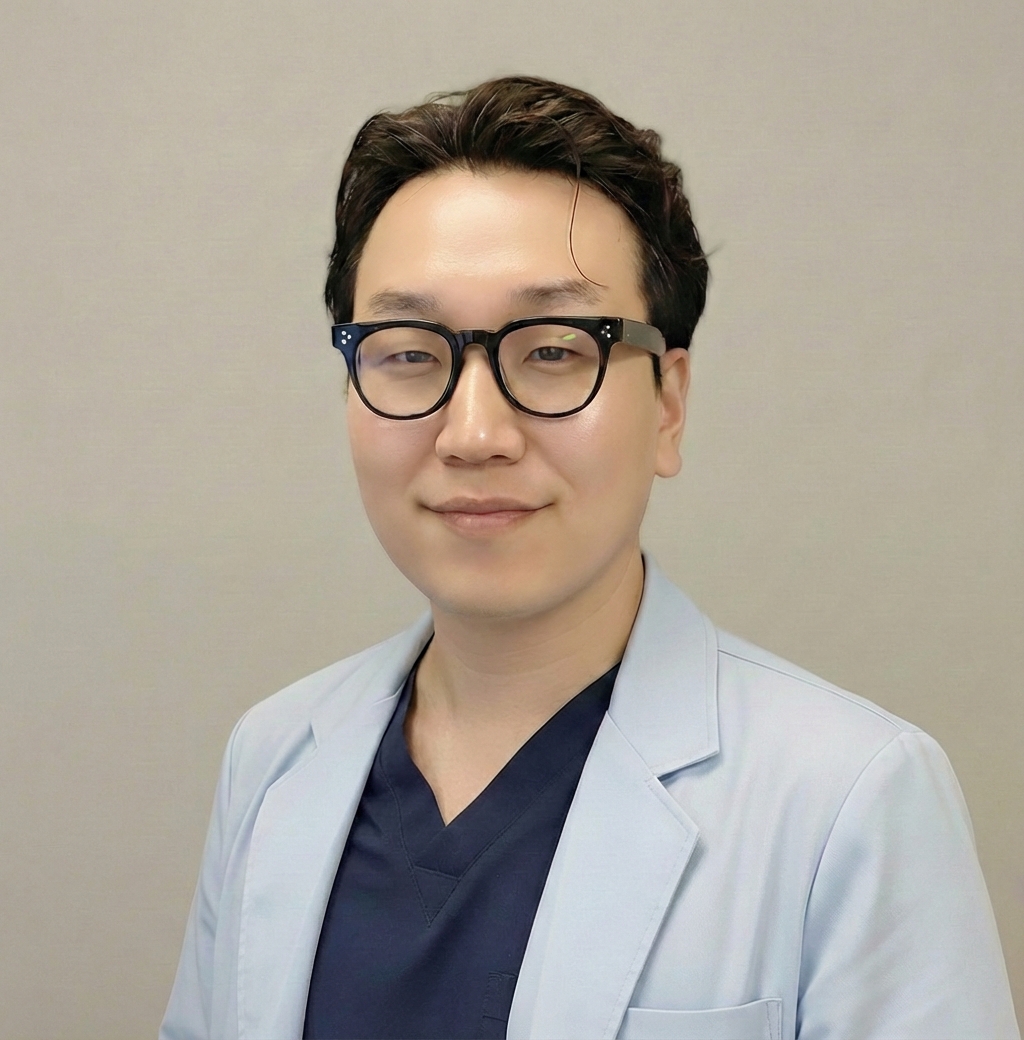
The director personally sees you from first to follow-up visits
We identify the essence through Sasang constitution, pulse and abdominal diagnosis
Treatment based on long clinical experience and evidence
Was this helpful? If you need accurate care for your condition, please contact us below.