
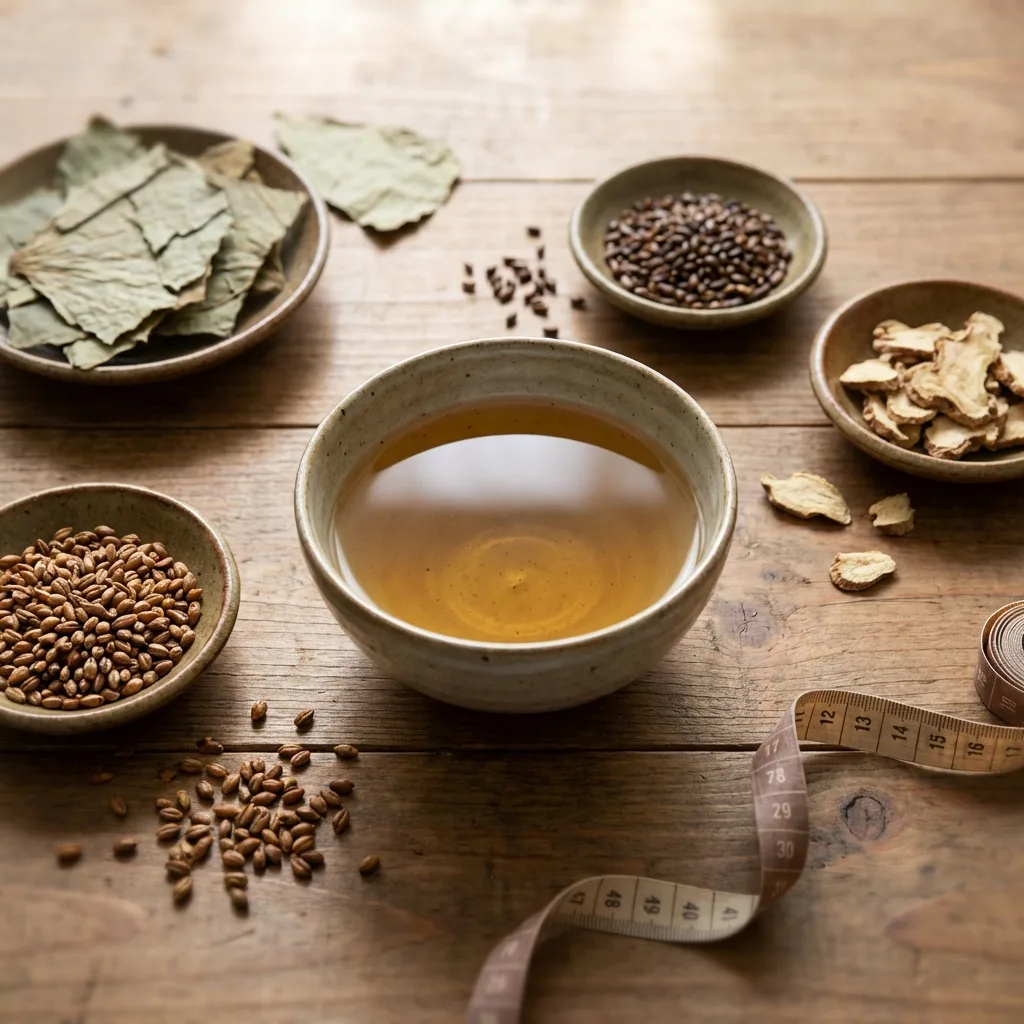
Wegovy & Diet Medication Rebound Management
Weight-Loss Drug Rebound
We cushion the appetite and weight rebound that follows stopping diet medication through metabolic and appetite regulation.
# Possibility / Realistic Goals (2)
Q If I get treated with Korean medicine, can I maintain my current weight without medication? Please be honest.
A. Honestly, herbal medicine alone does not make weight maintain itself automatically. But if it cushions your appetite and metabolism while you taper the medication and buys time for habits to take hold, you can get much closer to a state where you maintain your weight without medication.
View details →Q I've heard I have the kind of constitution that gains weight even from just drinking water. Can someone like me maintain without medication too?
A. Much of the feeling of "gaining weight from just water" comes from a lowered basal metabolism and disrupted appetite rhythm rather than an inborn constitution. Since much of this can be reversed, recovering muscle and metabolism can bring even this kind of body closer to maintaining without medication.
View details →# Comorbidities (1)
# Lifestyle Management (2)
Q How should I exercise while tapering the medication? Is cardio alone enough?
A. During the rebound period, strength training and protein intake take priority over cardio. Protecting muscle keeps your basal metabolism up, which reduces weight regain. Cardio is best added on top — doing both together is ideal.
View details →Q I don't feel confident I can control my appetite on my own without medication. What should I practice in daily life?
A. Small habits like eating at regular times, chewing slowly, and drinking enough water form the foundation of appetite control. Practicing how to tell true hunger apart from stress-driven appetite also helps your ability to regulate grow even without medication.
View details →# Safety (2)
Q I'm scared of gaining weight back, so I'm thinking of just stopping the medication cold turkey. Is that okay to do?
A. Stopping diet medication abruptly on your own is not recommended. Sudden discontinuation can make appetite rebound even larger, and especially if you are also on diabetes medication, it can cause problems with blood sugar control — so you must discuss your tapering plan with your prescribing physician.
View details →Q While on the medication, I sometimes get severe pain in my upper abdomen and keep vomiting. Is it okay to just let this pass?
A. Severe upper abdominal pain with persistent vomiting is a warning sign you should not ignore. GLP-1 medications can rarely cause pancreatitis, and if that's the case, you need immediate medical care. Severe dehydration, jaundice, or extreme fatigue also require prompt evaluation.
View details →# Drug Combination / Interactions (1)
# Prognosis / Recovery (2)
Q Once I start tapering the medication, how long does it take for my appetite to settle down?
A. It varies a lot by individual, but it usually takes a few weeks to two or three months for the returning appetite and metabolism to adjust to a new rhythm. The more gradually you taper the medication while building solid lifestyle habits, the gentler the rebound and the faster things stabilize.
View details →Q I've already gone through the cycle of stopping medication and regaining weight several times. Can a body like this still get back on track?
A. A body that has gone through rebound multiple times can still recover, but it needs a process of rebuilding metabolism and habits rather than a quick fix. Reviving the muscle and metabolism that dropped from repeated weight loss and stabilizing your appetite rhythm brings you closer to lasting maintenance.
View details →# Causes Explained (2)
Q As soon as I stopped Wegovy, my appetite exploded and the weight I lost over months is coming back. Why does this happen?
A. GLP-1 medications like Wegovy suppress appetite while you take them, but once you stop, the suppressed appetite often returns and weight regain follows. If lifestyle habits and muscle mass never had a chance to settle in during treatment, the rebound tends to be larger.
View details →Q I lost weight with diet medication, but now my body feels soft and I have no energy. Is this related to the rebound too?
A. Rapid weight loss often takes away muscle along with fat. Less muscle lowers your basal metabolic rate, which becomes the foundation for rebound weight gain after stopping the medication, even if you eat the same amount.
View details →# Food / Triggers (2)
Q Since cutting back on medication, I've been craving sweets and late-night snacks like crazy. What foods should I be careful about?
A. Refined sugar, flour, and ultra-processed foods spike and crash blood sugar quickly, which makes appetite rebound even worse. Focusing on protein, vegetables, and whole grains to keep blood sugar steady makes it easier to keep exploding appetite in check.
View details →Q When I'm stressed I drink alcohol and binge eat the next day. Does this make the rebound worse?
A. Alcohol clouds judgment and leads to overeating, and it lowers sleep quality, which throws off appetite hormones the next day. Lack of sleep intensifies hunger signals, so alcohol combined with poor sleep is a classic combination that worsens rebound.
View details →# Treatment Schedule (1)
# Treatment Stages (1)
# Effectiveness (2)
Q Can Korean medicine really prevent rebound weight gain? Won't I end up gaining it back anyway?
A. Korean medicine cannot magically eliminate rebound. But it can help cushion the returning appetite and sagging metabolism while you taper the medication, and support your body in regaining its own regulating rhythm — reducing the size of the rebound.
View details →Q Wouldn't it just be better to restart diet medication? What's the point of combining it with Korean medicine?
A. Whether to restart medication is a decision to discuss with your prescribing doctor. But if you rely on medication alone every time, the rebound tends to repeat each time you stop, so at some point your body needs to recover its own regulating power. Korean medicine plays the role of cushioning that transition.
View details →Wegovy & Diet Medication Rebound Management is not just a simple symptom
Korean medicine that considers both your constitution and lifestyle rhythm treats the root cause.
From consultation to precise treatment, we provide personalized care.
Prescriptions tailored to your constitution and symptoms treat the root cause
The director personally sees you from first to follow-up visits
We identify the essence through Sasang constitution, pulse and abdominal diagnosis
Treatment based on long clinical experience and evidence
Was this helpful? If you need accurate care for your condition, please contact us below.