
Q I have no appetite and my digestion isn't what it used to be, so I end up eating carelessly. Do these eating habits slow down recovery?
A If you leave reduced appetite and weakened digestion untreated and eat poorly, the raw materials for recovery run short. Regularly getting protein and vegetables, even in easy-to-digest forms, is the foundation of recovery.
Detailed Answer
During long COVID recovery, reduced appetite and weakened digestion are common, making it easy to skip meals or eat carelessly. But recovery requires adequate protein and nutrition, so it's important to get these regularly, even in easy-to-digest forms. A diet centered on refined carbohydrates that causes sharp blood sugar swings can actually worsen fatigue, so balance is needed.
Our Korean Medicine Clinic's Perspective
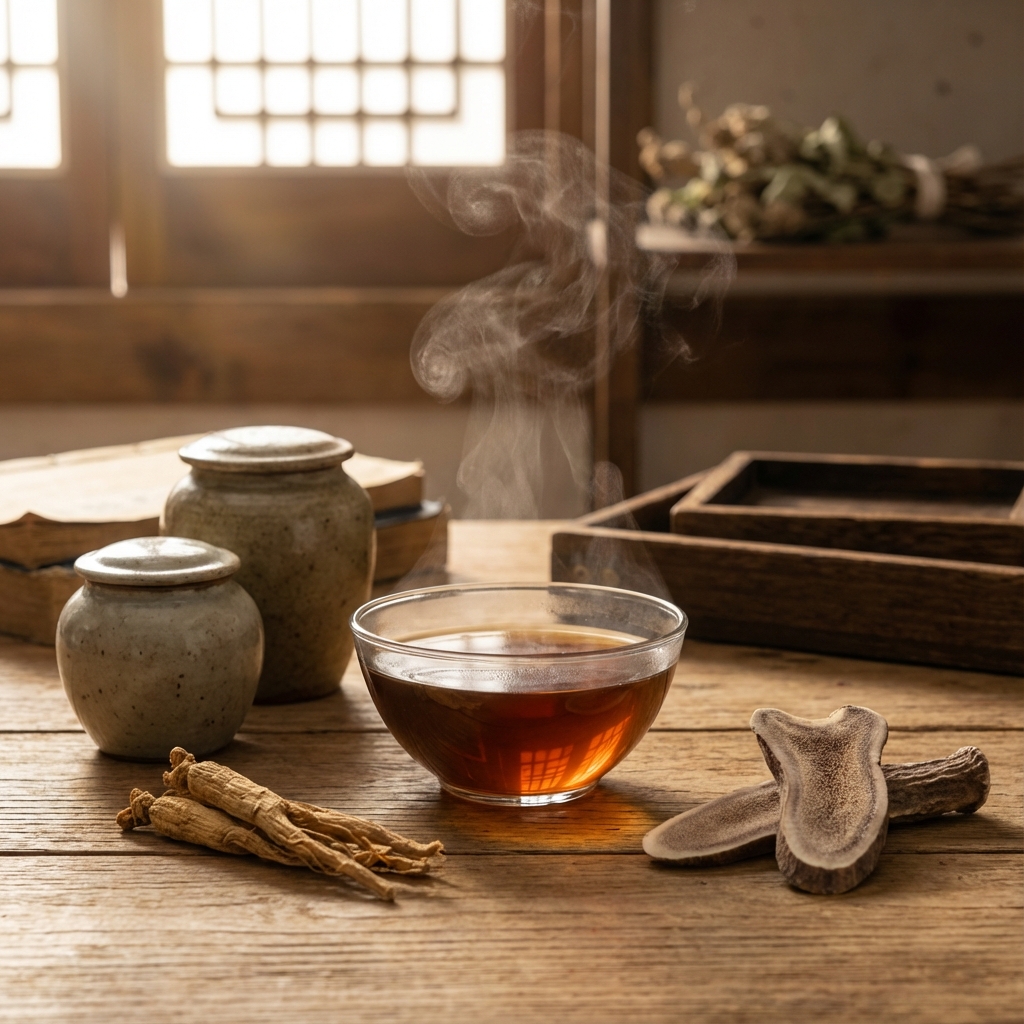
In Korean medicine, the digestive organs are the key organs that extract energy from food. When digestive strength is weakened after infection, even eating well doesn't translate into energy, so at Dongjedang, before replenishing qi and blood, we first restore the broken rhythm of digestion so that what you eat actually becomes recovery.
Related FAQs
-
Q
If I get treated, can I really go back to how I was before COVID? Please be honest with me.
#Possibility / Realistic Goals
-
Q
Even tests can't pinpoint a clear cause—so how exactly does Korean medicine approach these after-effects?
#Possibility / Realistic Goals
-
Q
Along with the after-effects, I also have headaches, indigestion, anxiety, and heart palpitations. Can these improve together too?
#Comorbidities
-
Q
When I feel a bit better and become active, I end up bedridden for days right after. How should I manage my activity level?
#Lifestyle Management
-
Q
Since the after-effects, my sleep is light and I don't feel refreshed even after sleeping. How can I improve my sleep quality?
#Lifestyle Management