
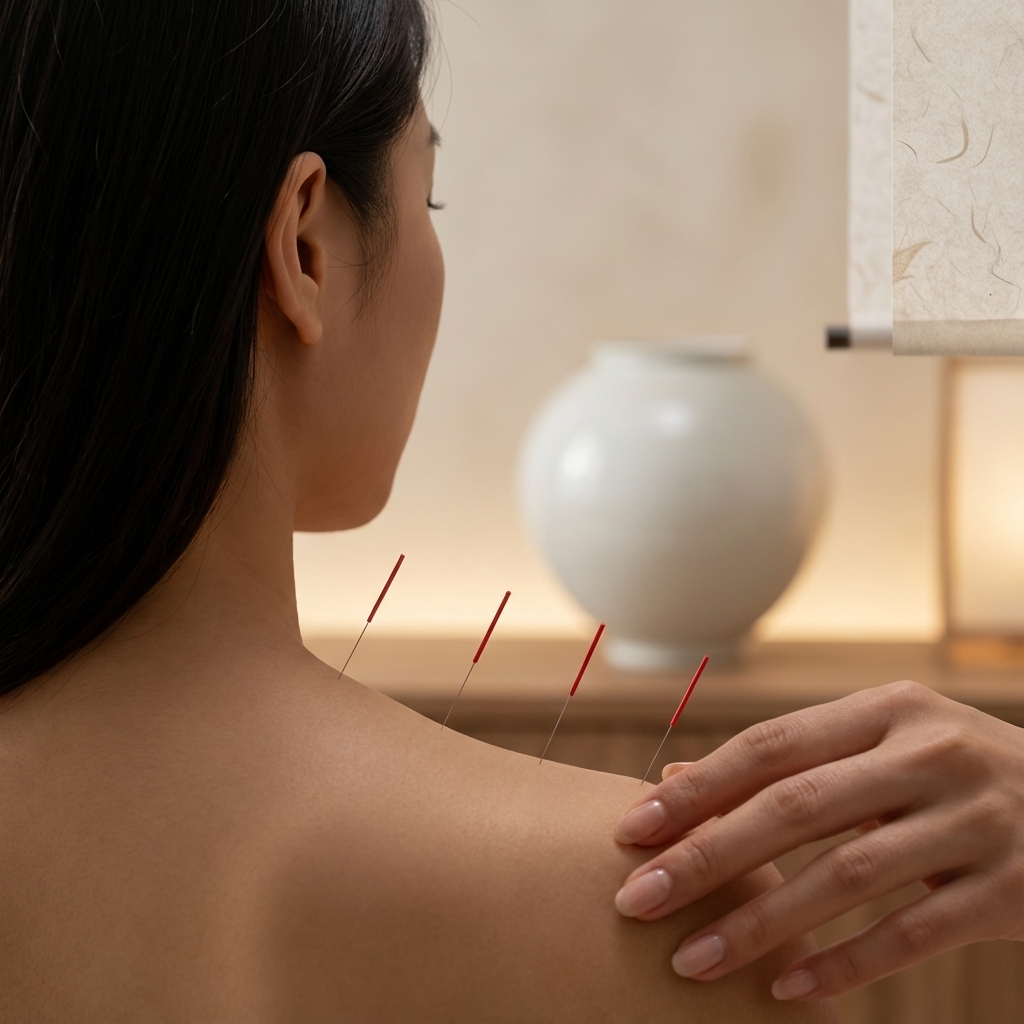
Polyarthritis
Polyarthritis
Degenerative and rheumatoid arthritis that causes pain in multiple joints and flares up in bad weather.
# Possibility / Realistic Goals (2)
Q I have been diagnosed with rheumatoid arthritis. Is it possible to manage it solely through treatment at a Korean medicine clinic?
A. For moderate to severe rheumatoid arthritis, combination therapy with DMARDs (Anti-Rheumatic Drugs) is the standard. It is realistic and safe to approach Korean medicine treatment not as a standalone substitute, but as a complementary treatment aimed at reducing pain, improving quality of life, and minimizing drug side effects.
View details →Q My mother, in her 70s, suffers from pain in her knees, wrists, and ankles. Is traditional Korean medicine effective for her age?
A. Even elderly patients can experience significant pain relief and functional improvement through Korean traditional medicine. In fact, Korean traditional medicine is a suitable alternative for the elderly to the long-term use of anti-inflammatory painkillers, which place a heavy burden on the digestive system and liver. Personalized treatment is available that takes into account the number of joints and underlying conditions.
View details →# Comorbidities (1)
# Lifestyle Management (2)
Q Is it okay to exercise when I have polyarthritis?
A. Low-impact exercises that do not strain the joints (aquatic exercise, stretching, walking) help maintain joint mobility and strengthen muscles. As a general rule, you should avoid excessive exercise during the acute inflammatory phase and exercise regularly when symptoms have stabilized. If pain persists for more than two hours before or after exercise, you should reduce the intensity.
View details →Q Does stress worsen various joint pains?
A. Stress disrupts the secretion of cortisol and cytokines, impairing immune regulatory capacity and exacerbating joint inflammation. Patients with autoimmune polyarthritis often experience symptom exacerbation following psychological stress. Sufficient sleep, relaxation techniques, and a regular daily routine are important.
View details →# Safety (1)
# Drug Combination / Interactions (1)
# Prognosis / Recovery (2)
Q Is polyarthritis curable, or does it require lifelong management?
A. It depends on the cause. While complete recovery is possible within a few months for post-infectious reactive arthritis, for autoimmune conditions like rheumatoid arthritis, the realistic goal is remission (maintaining a symptom-free state) rather than a complete cure. With consistent treatment and lifestyle management, it is possible to fully maintain daily living functions.
View details →Q Will my joints be ruined if I don't receive treatment?
A. If left untreated, autoimmune polyarthritis, including rheumatoid arthritis, can lead to actual damage to joint cartilage and bone, resulting in deformation. The first two years after onset are the period when joint damage progresses most rapidly. Since early treatment determines the long-term prognosis, it is important to receive professional medical care at the early stages of symptoms.
View details →# Causes Explained (2)
Q I am a housewife in my 40s. What is the reason why multiple joints, such as my fingers, knees, and ankles, hurt simultaneously?
A. Polyarthritis occurs when an immune system abnormality attacks one's own joint tissues, or when external pathogenic factors, such as wind, cold, and dampness, simultaneously invade multiple meridians. Like rheumatoid arthritis, systemic inflammation is often the cause, and it can also manifest as a reactive response following an infection. Immune and inflammatory mechanisms are the key, rather than simple degeneration.
View details →Q I am in my 50s and run a fish shop in Dongincheon. Does a humid environment worsen my various joint pains?
A. Prolonged exposure to a humid and cold environment can cause dampness pathogens to stagnate in the meridians, leading to pain and swelling in multiple joints simultaneously. From a Western medical perspective, low-temperature and high-humidity environments also increase inflammatory responses in the synovial membrane and lower the pain threshold. Environmental factors are major triggers that exacerbate existing joint diseases.
View details →# Food / Triggers (2)
Q I have pain in multiple joints; what foods worsen inflammation?
A. Red meat, fried foods, refined carbohydrates, and alcohol exacerbate joint inflammation by increasing inflammatory cytokines through arachidonic acid metabolism. Trans fats in processed foods and high-sugar foods are also major triggers. Conversely, oily fish, vegetables, and olive oil help with anti-inflammation.
View details →Q Is there a specific diet that helps with polyarthritis?
A. Freshwater fish rich in Omega-3 (mackerel, salmon), antioxidant vegetables (broccoli, spinach), and anti-inflammatory spices such as turmeric and ginger help reduce joint inflammation. There is evidence that the Mediterranean diet improves symptoms of rheumatoid arthritis. Increasing fluid intake and taking care of gut health are also important.
View details →# Treatment Schedule (1)
# Treatment Stages (2)
Q What treatment is received in the early stages of polyarthritis?
A. In the early stages, intensive acupuncture and anti-inflammatory pharmacopuncture are administered with the goal of suppressing inflammation and alleviating pain, along with accurately identifying the cause (blood tests and imaging). This is a stage where pain and swelling in multiple joints are simultaneously reduced through the rapid opening of Qi and blood circulation.
View details →Q What treatment follows once the condition has improved to a certain extent?
A. Once symptoms stabilize, we move on to a stage where we use needle acupuncture to release adhesions around the joints and strengthen ligaments. We then shift to a focus on internal treatment using herbal medicine to restore the functions of the spleen, kidneys, and liver to prevent recurrence, gradually increasing the intervals between treatments.
View details →# Effectiveness (2)
Q Is acupuncture effective for multiple joints at the same time? I don't think it would be easy to cure them all at once.
A. Acupuncture is a suitable approach for polyarthritis as it effectively improves the circulation of Qi and blood in multiple joints simultaneously through the body's meridians. Rather than a complete cure in a single session, the treatment aims for a step-by-step approach of suppressing inflammation, reducing pain, and restoring joint range of motion. Consistent treatment produces cumulative effects.
View details →Q Does herbal medicine actually reduce inflammation in various joints? It surely doesn't act as strongly as steroids.
A. Rather than immediate suppression like steroids, herbal medicine works by altering the inflammatory environment itself through immune modulation, the regulation of anti-inflammatory pathways, and the restoration of organ function. It has the advantage of reducing the frequency of recurrence in the long term and allowing for maintenance without side effects. During the acute phase, it is realistic to combine it with Western medical treatment.
View details →Polyarthritis is not just a simple symptom
Korean medicine that considers both your constitution and lifestyle rhythm treats the root cause.
From consultation to precise treatment, we provide personalized care.
Prescriptions tailored to your constitution and symptoms treat the root cause
The director personally sees you from first to follow-up visits
We identify the essence through Sasang constitution, pulse and abdominal diagnosis
Treatment based on long clinical experience and evidence
Was this helpful? If you need accurate care for your condition, please contact us below.