
Knee Pain
Knee Pain
Degenerative knee pain characterized by aching and throbbing when climbing stairs or squatting
# Possibility / Realistic Goals (2)
Q I am a 70-year-old who has been advised to have artificial joint surgery but is putting it off out of fear. Is it realistically possible to avoid surgery at this age through Korean traditional medicine treatment?
A. It depends on the condition of the joint. If it is the late stage where almost no cartilage remains, leg deformity is severe, and you cannot sleep at night, surgery may be the better option. However, if a significant portion of the pain originates from the ligaments and muscles surrounding the joint, there are many cases where it is possible to delay or avoid surgery by reducing pain through conservative Korean traditional medicine treatment. An accurate assessment comes first.
View details →Q I am a 65-year-old retired teacher whose only joy was hiking. I stopped hiking after being diagnosed with knee arthritis; will I be able to hike again if I receive treatment?
A. While it depends on the condition of your joints and muscle strength, if you have early to mid-stage arthritis, it is entirely possible to return gradually, starting with lower mountains, after treatment and muscle strengthening. However, since downhill sections place the greatest burden on the knees, strategies such as using trekking poles and choosing cable cars or gentler courses when descending are essential. Changing your approach is a more realistic goal than giving up hiking altogether.
View details →# Comorbidities (1)
# Lifestyle Management (2)
Q I am a 67-year-old wondering if I can continue walking even though my knees hurt. Should I rest when it hurts, or should I still walk?
A. If the pain is not severe, walking is better than resting. Appropriate walking nourishes joint cartilage and maintains surrounding muscles. However, if pain persists for more than two hours after walking or worsens the next day, the amount of exercise is excessive; in this case, it is advisable to reduce the duration by focusing on flat terrain and consider submerging it in water or using an indoor bicycle.
View details →Q I am a 63-year-old housewife concerned about cold knees. I plan to apply compresses at home; which is better, cold or hot? Is it okay to continue wearing a knee brace?
A. The general rule is to use cold compresses during the acute phase, characterized by swelling and heat, and warm compresses during the chronic phase, characterized by aching and stiffness. Warm compresses are generally the correct solution for the aching pain associated with degenerative knees. Please wear the brace only when going out or engaging in activities, and remove it at home. Wearing it all day causes the muscles to become dependent on the brace, which can actually weaken them.
View details →# Safety (1)
# Drug Combination / Interactions (1)
# Prognosis / Recovery (2)
Q I am a 61-year-old security guard diagnosed with stage 2 knee osteoarthritis. If left untreated, will I eventually end up needing artificial joint surgery?
A. No. With proper management in stage 2 arthritis, a significant number of patients can live their entire lives with their own joints without surgery. The rate of progression varies greatly depending on body weight, muscle strength, activity habits, and inflammation management. Artificial joints are a last resort considered only when daily life becomes impossible in the terminal stage. Now is the best time to slow down the progression.
View details →Q I am a 55-year-old caregiver who has reduced my work hours due to knee pain that started a month ago. If I start Korean medicine treatment, how long will it take for me to recover enough to return to work?
A. Initial pain relief is usually felt within 2 to 4 weeks of starting treatment. However, if ligament strengthening and prevention of recurrence are included, the treatment period typically takes 8 to 12 weeks. Since recovery is faster when the duration of pain is short and joint deformation is minimal, the prognosis is relatively good for pain that has lasted for a month.
View details →# Causes Explained (2)
Q I am a housewife past my 60th birthday. My inner knee aches every time I go down stairs. Is this because my cartilage is wearing down with age?
A. Yes, the aching pain on the inner knee when going down stairs is a typical early symptom of degenerative osteoarthritis of the knee. As the cartilage wears down, its shock-absorbing function decreases, and as the medial joint space narrows, pain intensifies when bearing weight. However, since weakening of surrounding ligaments and muscles, as well as inflammation, also play a role in addition to cartilage wear, early management can slow down the progression.
View details →Q I am in my 60s and have been running a fish shop in Dong-gu, Incheon for 30 years. My knees ache the day before it rains; is there really a connection to the weather?
A. A link between weather and joint pain is actually reported. When atmospheric pressure drops, the pressure balance within the joint capsule changes, and cold temperatures reduce blood flow around the joints, making pain sensations more sensitive. Degenerative joints, which already have inflammation, react particularly sensitively to these changes.
View details →# Food / Triggers (2)
Q I am a 64-year-old housewife with knee pain, and my daughter-in-law says that flour and sweet foods are bad for arthritis. Can food really make knee pain worse?
A. While it is not a direct cause, it does have an impact. A diet high in refined carbohydrates and sugar can exacerbate joint pain by encouraging weight gain and chronic inflammation. Since a 1kg increase in body weight places an additional 3 to 4kg of load on the knees during walking, dietary management is key to knee care.
View details →Q I am a 59-year-old who runs a side dish shop in Dongincheon. I work while squatting all day; does this posture ruin my knees?
A. Yes, squatting is one of the postures that places the greatest burden on the knees. When you squat, pressure equivalent to 7 to 8 times your body weight is concentrated on the knee joint, specifically on the patella and medial cartilage. Since this is cited as a major reason for the high prevalence of medial osteoarthritis among Korean women, we recommend using at least a low chair in your work environment.
View details →# Treatment Schedule (1)
# Treatment Stages (2)
Q I am a 60-year-old planning to visit a Korean medicine clinic for the first time due to knee pain. I would like to know in advance the order in which the treatment proceeds.
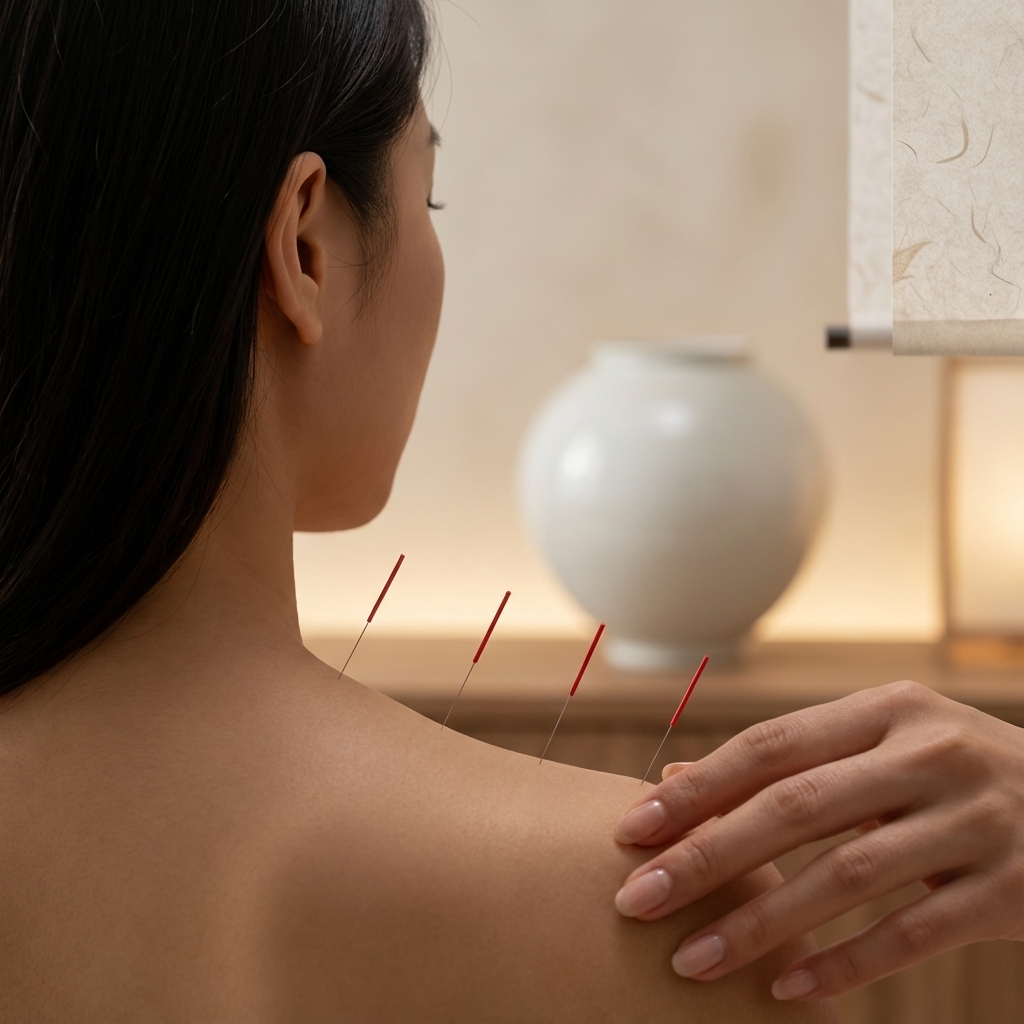
A. Typically, the process proceeds in the order of assessment → pain relief → structural strengthening → prevention of recurrence. First, the condition of the knee is checked using ultrasound, and pain and inflammation are reduced using acupuncture and pharmacopuncture. If necessary, weakened ligaments are strengthened using needle insertion and thread embedding. Finally, a full cycle is completed up to the stage of preventing recurrence through herbal medicine and exercise guidance.
View details →Q I am a 58-year-old supermarket employee who was recommended to receive Dochim treatment. What is the difference between regular acupuncture and Dochim, and why is the treatment divided into stages?
A. While regular acupuncture manages pain and circulation by stimulating meridians, Dochim is a treatment that uses a fine blade-like tip to directly detach hardened adhesions and stimulate ligament regeneration. Because the stimulation is strong, it is not used on all patients from the start; instead, it is applied in stages after observing the response with regular acupuncture and confirming chronic adhesions or ligament weakness.
View details →# Effectiveness (2)
Q I am a taxi driver in my 50s. Is it scientifically proven that acupuncture is effective for knee arthritis, or is it just my imagination?
A. Knee osteoarthritis is one of the diseases with the most accumulated evidence regarding acupuncture treatment. Numerous randomized controlled trials and meta-analyses have shown that acupuncture treatment has significant effects on pain reduction and functional improvement, and it is mentioned as an adjunctive treatment in major international clinical guidelines. It is not just a matter of imagination; the mechanisms of blood flow improvement and pain control have been studied.
View details →Q I am a 58-year-old hairdresser diagnosed with worn-out knee cartilage. Will taking herbal medicine help the worn-out cartilage grow back?
A. To be honest, herbal medicine cannot restore cartilage that has already worn away. However, the goal of herbal treatment is to reduce inflammation around the joint, lessen the burden on the cartilage to preserve the remaining cartilage, and improve pain and function. This is a realistic strategy to slow down the progression of the condition.
View details →Knee Pain is not just a simple symptom
Korean medicine that considers both your constitution and lifestyle rhythm treats the root cause.
From consultation to precise treatment, we provide personalized care.
Prescriptions tailored to your constitution and symptoms treat the root cause
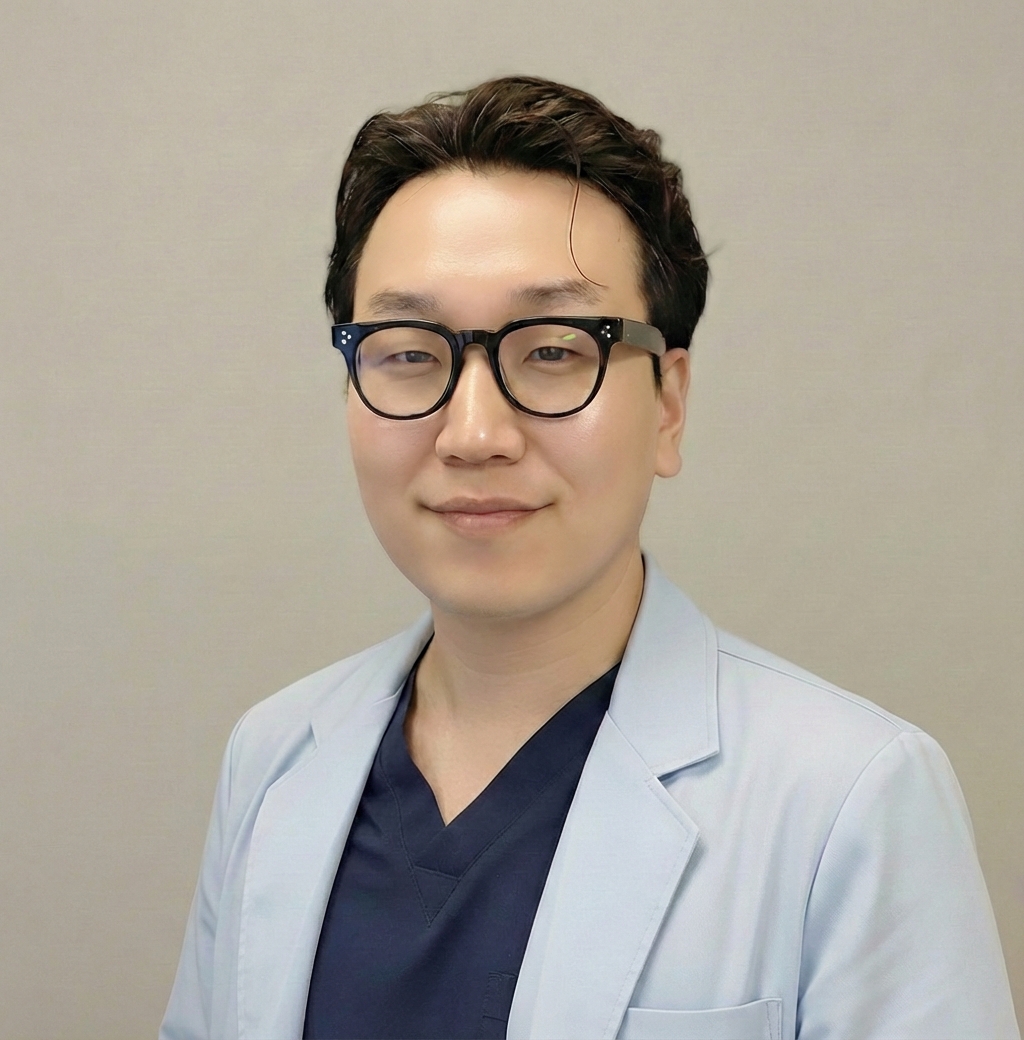
The director personally sees you from first to follow-up visits
We identify the essence through Sasang constitution, pulse and abdominal diagnosis
Treatment based on long clinical experience and evidence
Was this helpful? If you need accurate care for your condition, please contact us below.