

Q I am an office worker in my 50s, and suddenly, even just breathing causes stabbing pain in my side. Why does intercostal neuralgia occur?
A Intercostal neuralgia is a pain condition caused by irritation, compression, or damage to the intercostal nerves that pass between the ribs. Causes include post-herpetic neuralgia, thoracic disc or joint problems, muscle tension or trauma, and maintaining an incorrect posture for a long time. It is characterized by pain worsening with breathing or changes in body position. Identifying the exact cause is crucial for determining the direction of treatment.
Detailed Answer
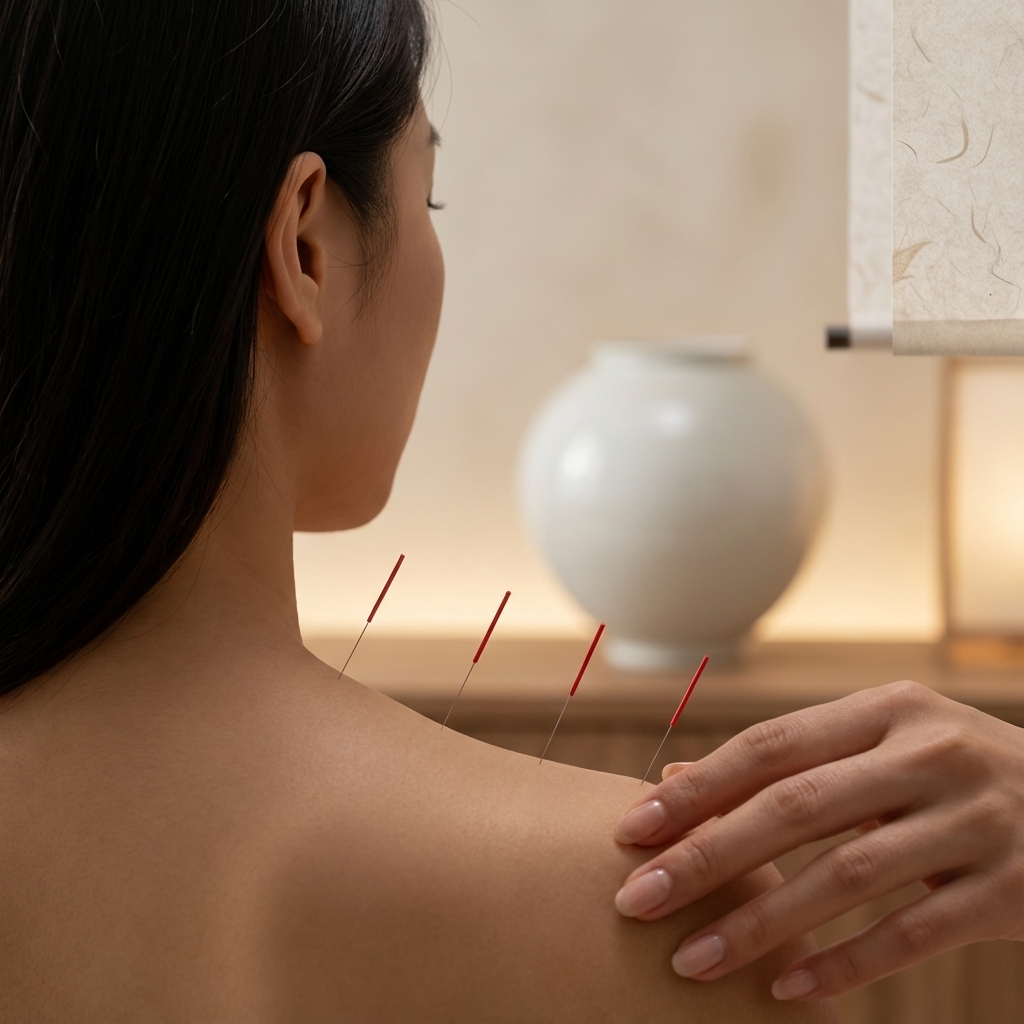
Intercostal neuralgia occurs when the intercostal nerves (T1–T12) passing between the ribs are irritated for any reason. In Western medicine, the main causes include: ① neuralgia following the invasion of the nerve ganglia by the herpes zoster virus; ② nerve compression due to thoracic disc herniation or joint degeneration; ③ nerve damage after rib fractures or contusions; ④ hypertonicity or adhesions of the chest wall muscles; and ⑤ secondary neuralgia caused by tumors or inflammation. Pain worsens with deep breathing, coughing, or torso rotation, and radiating pain resembling electric shocks appears along the rib line. From the perspective of a Korean medicine clinic, intercostal neuralgia is viewed as a condition characterized by stiffness and pain in the flanks and sides of the chest. When the pathways for Qi and blood passing through this area become blocked and flow stagnates, stabbing or burning pain occurs along those paths. There are three main causes: ① cases where Qi becomes blocked and stagnant due to stress or emotional suppression; ② cases where blood clots form due to blocked blood circulation caused by trauma or chronic tension; and ③ cases where cold energy or dampness obstructs flow in the flank area. At Dongjedang, we approach treatment by addressing these causes to improve the environment surrounding the nerves. We use acupuncture to release blocked Qi and blood flow, use moxibustion to detach adhered areas of the chest wall fascia, and clear out accumulated waste and clotted blood from the body.
Related FAQs
-
Q
My intercostal neuralgia pain persists even though the hospital said there was no specific cause. Is treatment available at a Korean medicine clinic?
#Possibility / Realistic Goals
-
Q
I have been suffering from intercostal neuralgia for nearly a year. Is it possible to cure such long-standing chronic neuralgia at a Korean medicine clinic?
#Possibility / Realistic Goals
-
Q
I am a patient with intercostal neuralgia, and my insomnia has also worsened recently. Are pain and sleep problems related? Can they be treated together?
#Comorbidities
-
Q
Is it okay to exercise during treatment for intercostal neuralgia? What exercises are helpful, and are there any that I should avoid?
#Lifestyle Management
-
Q
Intercostal neuralgia worsens while sleeping. Are there any precautions I should take regarding sleeping position or sleeping method?
#Lifestyle Management