
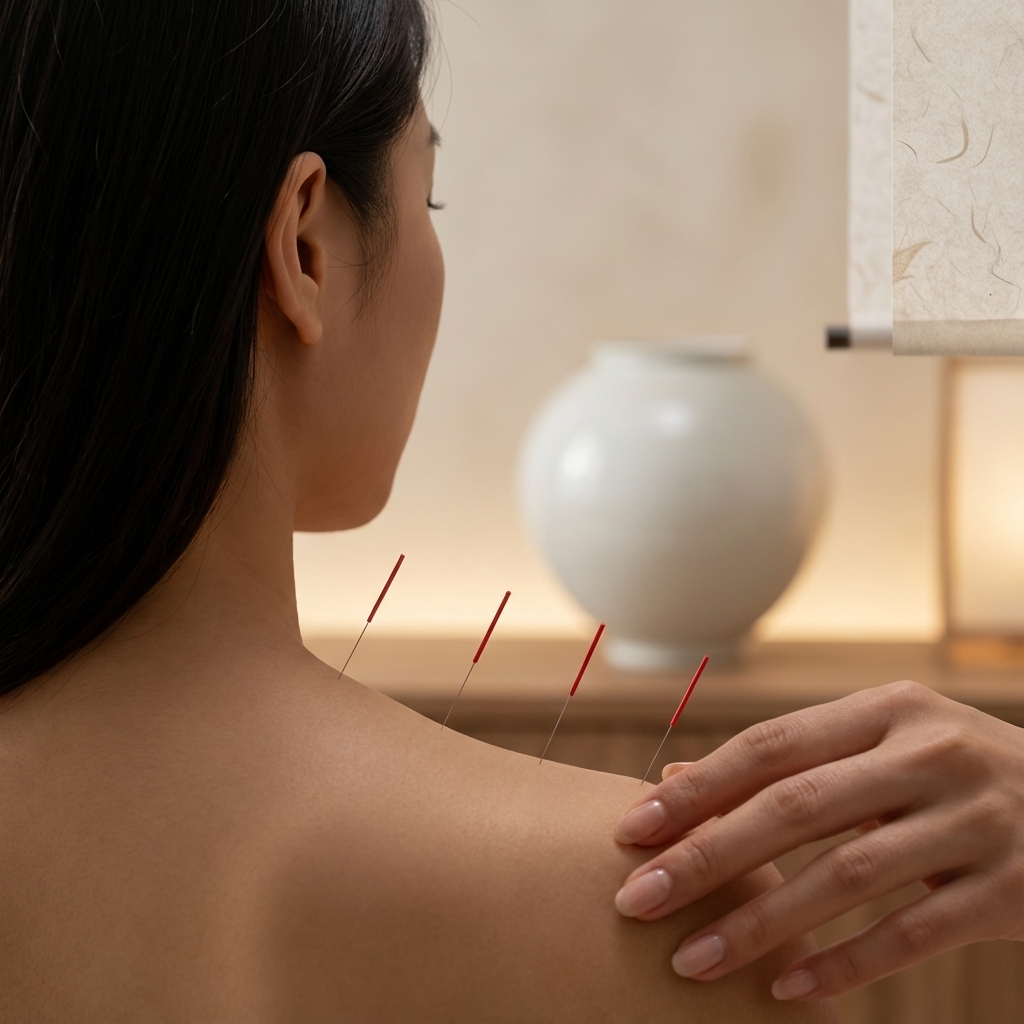
Intercostal Neuralgia
Intercostal Neuralgia
Intercostal neuralgia that stabs along the ribs

# Possibility / Realistic Goals (2)
Q My intercostal neuralgia pain persists even though the hospital said there was no specific cause. Is treatment available at a Korean medicine clinic?
A. Even if no structural abnormalities are found in medical examinations, intercostal neuralgia caused by functional or myofascial factors is a good candidate for treatment at a Korean medicine clinic. Myofascial release and meridian Qi-blood circulation treatments using acupuncture, moxibustion, and pharmacopuncture are effective for neuralgia of unknown cause. Many patients experience improvement after receiving treatment at a Korean medicine clinic following normal medical examination results at a hospital.
View details →Q I have been suffering from intercostal neuralgia for nearly a year. Is it possible to cure such long-standing chronic neuralgia at a Korean medicine clinic?
A. There is a sufficient possibility of treating chronic intercostal neuralgia lasting more than a year. However, the treatment period is longer than for acute cases, and a complex approach is required. Even if central sensitization has formed, nerve hypersensitivity can be gradually reduced through combined treatment using moxibustion, pharmacopuncture, and herbal medicine. While individual differences exist, restoring daily living functions through treatment is a realistic goal.
View details →# Comorbidities (1)
# Lifestyle Management (2)
Q Is it okay to exercise during treatment for intercostal neuralgia? What exercises are helpful, and are there any that I should avoid?
A. You should avoid strenuous exercise or movements involving significant torso rotation during treatment. Instead, light and regular deep breathing exercises, thoracic mobility stretches, and low-impact aerobic exercises such as swimming are helpful. It is safe to gradually increase the intensity once pain is managed to a level of 0 to 3 or lower.
View details →Q Intercostal neuralgia worsens while sleeping. Are there any precautions I should take regarding sleeping position or sleeping method?
A. Pain exacerbation during sleep is often caused by chest wall compression due to posture. Lying on your side with the painful side facing upward or in a semi-sitting position (slightly elevating the head) can be helpful. Avoid mattresses that are too hard or too soft, and placing pillows that provide light support for the thoracic spine helps reduce pain.
View details →# Safety (1)
# Drug Combination / Interactions (1)
# Prognosis / Recovery (2)
Q Does intercostal neuralgia heal naturally? Or is treatment absolutely necessary?
A. Some cases of acute intercostal neuralgia (caused by muscle tension, simple irritation, etc.) may recover within a few weeks with rest and conservative treatment alone. However, in cases of post-herpetic neuralgia, structural causes of the thoracic spine, or chronic conditions, central sensitization progresses if left untreated, making treatment more difficult. It is important to quickly determine whether professional treatment is necessary based on the cause and course of the condition.
View details →Q How many weeks does it usually take to see improvement after receiving treatment at a Korean medicine clinic? I am curious about the recovery period.
A. In cases of acute intercostal neuralgia, improvement is often experienced after 3 to 6 treatment sessions (2 to 3 weeks). Chronic or post-herpetic neuralgia may require consistent treatment for 2 to 3 months or more. Treatment varies significantly depending on the individual's cause, severity, and lifestyle habits, and the attending Korean medicine doctor adjusts the treatment plan based on the response.
View details →# Causes Explained (2)
Q I am an office worker in my 50s, and suddenly, even just breathing causes stabbing pain in my side. Why does intercostal neuralgia occur?
A. Intercostal neuralgia is a pain condition caused by irritation, compression, or damage to the intercostal nerves that pass between the ribs. Causes include post-herpetic neuralgia, thoracic disc or joint problems, muscle tension or trauma, and maintaining an incorrect posture for a long time. It is characterized by pain worsening with breathing or changes in body position. Identifying the exact cause is crucial for determining the direction of treatment.
View details →Q I had shingles last year, and I still have pain in my side. Is this related to intercostal neuralgia?
A. Post-herpetic neuralgia (PHN) is one of the most common causes of intercostal neuralgia. The varicella-zoster virus damages nerve ganglia, causing persistent neuropathic pain even after recovery. This is characterized by chronic burning pain that tends not to be well controlled with over-the-counter painkillers. Professional nerve treatment is required.
View details →# Food / Triggers (2)
Q I am a man in my 60s. My side pain seems to get worse the day after drinking alcohol. Do foods or dietary habits affect intercostal neuralgia?
A. Alcohol can intensify neuralgia symptoms by directly stimulating peripheral nerves and exacerbating inflammation. Overeating, spicy foods, and excessive caffeine can also increase nervous hypersensitivity. On the other hand, consuming fatty fish rich in omega-3, antioxidant vegetables, and sufficient water helps improve the nervous environment.
View details →Q I am an office worker in my 40s. It seems that my intercostal neuralgia worsens when I sit for long periods. Are there any specific triggering factors regarding posture or lifestyle habits that I should be careful about?
A. Maintaining a hunched posture for extended periods is a major trigger that increases nerve compression by tensing the thoracic spine joints and intercostal muscles. Sudden torso rotation, lifting heavy objects, and excessive coughing can also irritate the intercostal nerves. Stress and lack of sleep increase nerve hypersensitivity, lowering the pain threshold.
View details →# Treatment Schedule (1)
# Treatment Stages (2)
Q How does the treatment for intercostal neuralgia proceed when visiting the clinic for the first time? Please explain the steps starting from the first visit.
A. During the first visit, we identify the etiology and constitution through medical history, tongue diagnosis, and pulse diagnosis, and diagnose the cause of the pain. Subsequently, we begin rapid pain relief with acupuncture treatment, adding moxibustion needles or pharmacopuncture if necessary. We prescribe herbal medicine based on the condition and provide education on lifestyle management.
View details →Q I am currently receiving acupuncture treatment for intercostal neuralgia, and I have heard that there is also a treatment called "Dochim." In what cases is Dochim treatment added?
A. Dochim is a treatment added when improvement is slow with acupuncture alone, when adhesions in the chest wall fascia or intercostal tissues are suspected, or for chronic recurrent pain. It utilizes a small needle to dissect adhered tissues and secure space around the nerves. It is safely performed by a skilled practitioner, and faster structural changes can be expected compared to standard acupuncture.
View details →# Effectiveness (2)
Q I am a housewife in my 40s living near Dongincheon. Is treatment at a Korean medicine clinic actually effective for intercostal neuralgia? Since it is a nerve problem, I thought I had to take medication alone.
A. Treatment at a Korean medicine clinic is an effective non-pharmacological approach to intercostal neuralgia. Acupuncture helps alleviate pain and restore nerve function, while pharmacopuncture and moxibustion improve inflammation and adhesions around the nerves. In particular, combined Korean medical treatment demonstrates significant effects in chronic cases that do not respond well to nerve blockers or analgesics.
View details →Q I am an office worker in my 30s. Can acupuncture treatment immediately reduce neuralgia pain, or do I need to receive it multiple times to see results?
A. While some patients experience pain reduction even after the first acupuncture session, a course of treatment typically requires 5 to 10 sessions or more for sustained effects. Cumulative treatment is crucial, especially in cases of chronic neuralgia, as nerve sensitization is deeper. The attending Korean medicine doctor adjusts the frequency and method based on the patient's response to treatment.
View details →Intercostal Neuralgia is not just a simple symptom
Korean medicine that considers both your constitution and lifestyle rhythm treats the root cause.
From consultation to precise treatment, we provide personalized care.
Prescriptions tailored to your constitution and symptoms treat the root cause
The director personally sees you from first to follow-up visits
We identify the essence through Sasang constitution, pulse and abdominal diagnosis
Treatment based on long clinical experience and evidence
Was this helpful? If you need accurate care for your condition, please contact us below.